Energy Secretary Chris Wright indicated on Sunday that American drivers should not expect gasoline prices to fall below three dollars per gallon until potentially next year, attributing the sustained high costs to ongoing disruptions in global oil shipping caused by Iran.
Appearing on CNN's 'State of the Union,' Wright offered a tempered outlook when pressed by host Jake Tapper on the timeline for relief at the pump. "I don't know. That could happen later this year. That might not happen until next year," Wright said, referring to the prospect of national averages dipping below the $3 mark. He did assert that prices have likely reached their peak and should begin a downward trend. "Certainly, with a resolution of this conflict, you will see prices go down. Prices across the board on energy prices will go down," he added.
Global Oil Markets in Turmoil
The primary pressure point is the Strait of Hormuz, a critical maritime chokepoint for global oil shipments. Iranian forces have maintained strict control over the waterway, despite diplomatic statements suggesting access would be permitted. This has kept a significant portion of the world's seaborne oil trade in limbo, reversing the brief period of relief seen late last year when prices briefly fell below $3 for the first time since mid-2021.
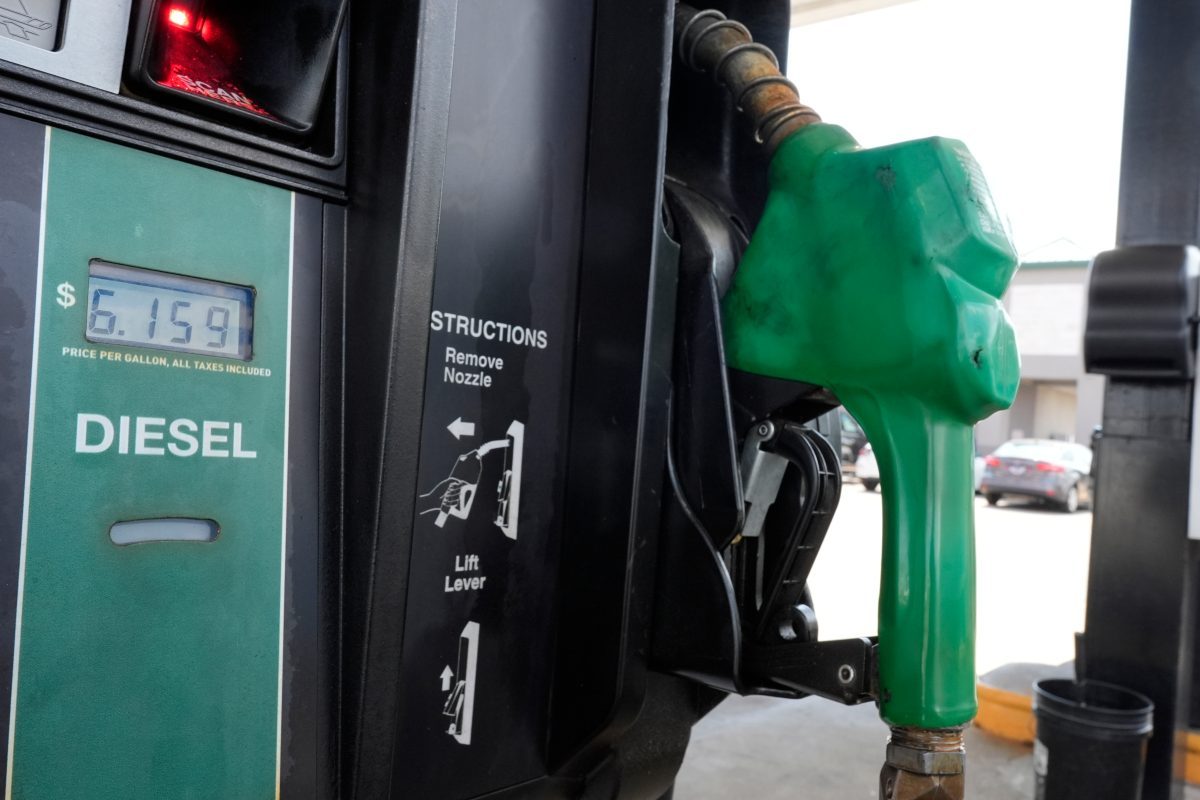
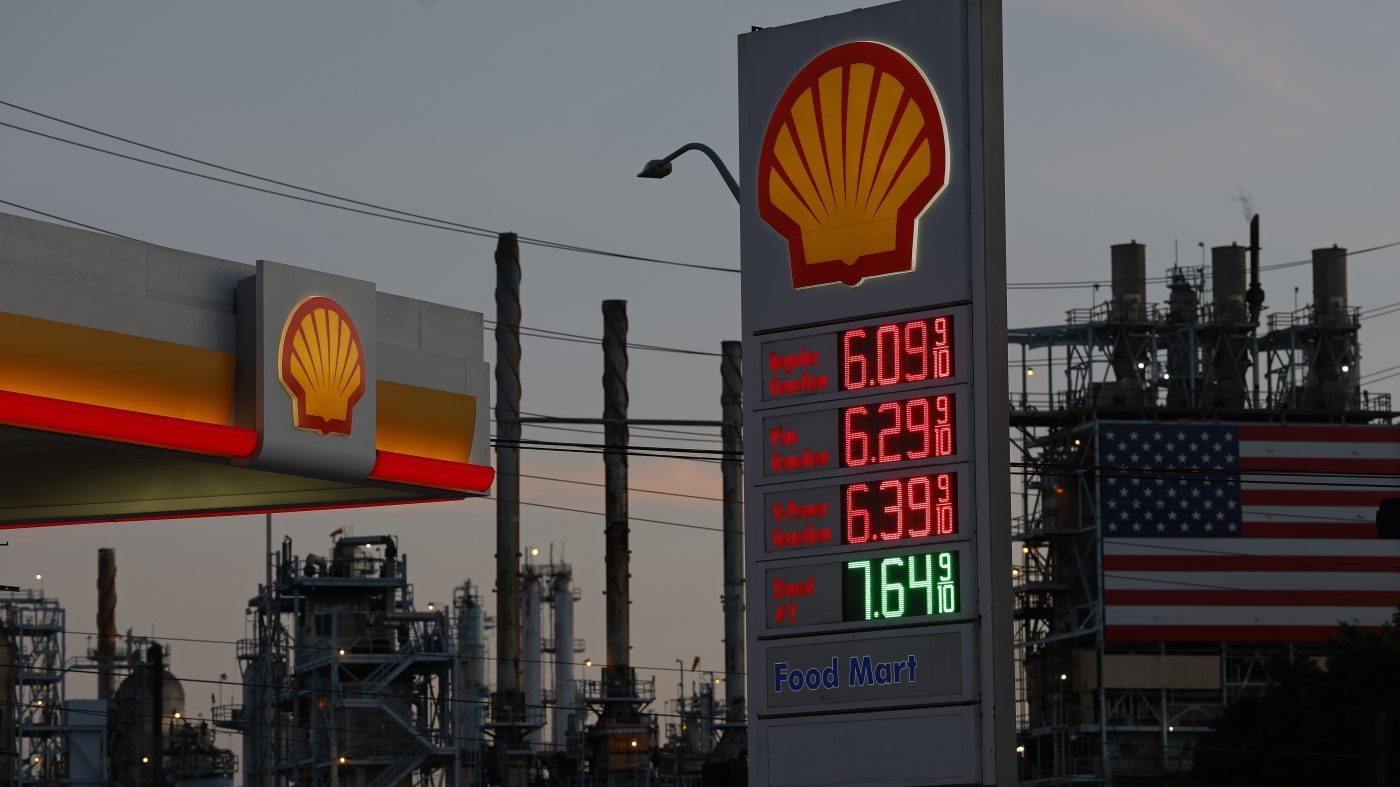
The immediate impact has been stark. The national average for a gallon of regular gasoline stood at $4.04 on Sunday, according to AAA data. While this represents a slight weekly decrease, it remains nearly ninety cents higher than the same time last year and marks the first sustained period above $4 since the aftermath of Russia's invasion of Ukraine in 2022.
A Stalemate at Sea
The situation remains deadlocked. Iranian officials have linked reopening the strait to a permanent resolution of the broader U.S.-Iran conflict, a condition that shows no immediate signs of being met. Complicating matters, the U.S. naval blockade targeting Iranian oil exports remains in force. A spokesperson for Iran's Islamic Revolutionary Guard Corps cited this American action over the weekend as justification for resuming "strict" control over the strategic passage, ensuring the shipping crisis continues.
Secretary Wright expressed confidence that prices would eventually revert to pre-conflict levels, though he contextualized the sub-$3 benchmark as historically significant. "Under $3 a gallon is pretty tremendous in inflation-adjusted terms," he told Tapper. "We had that in the Trump administration, but we hadn't seen that in inflation-adjusted terms for quite a long time. We will get back there, for sure." This historical reference comes amid ongoing political debate over energy policy, including past administrative efforts to roll back efficiency standards.
Broader Market and Political Implications
The prolonged energy price shock is rippling through the global economy and domestic politics. Industry leaders, like a Chevron executive who recently urged conservation, warn of continued market volatility. The crisis has also fueled international tensions, influencing disputes such as the recent friction between U.S. and UK officials over North Sea policy and Iran.
For American consumers, the timeline for relief remains uncertain and directly tied to geopolitics. The Biden administration faces persistent pressure over inflation and energy costs, with the stalemate in the Persian Gulf ensuring that gas prices will remain a potent political and economic issue for the foreseeable future. The path to cheaper fuel appears contingent on a diplomatic or strategic resolution to the standoff, which currently shows little sign of a breakthrough.