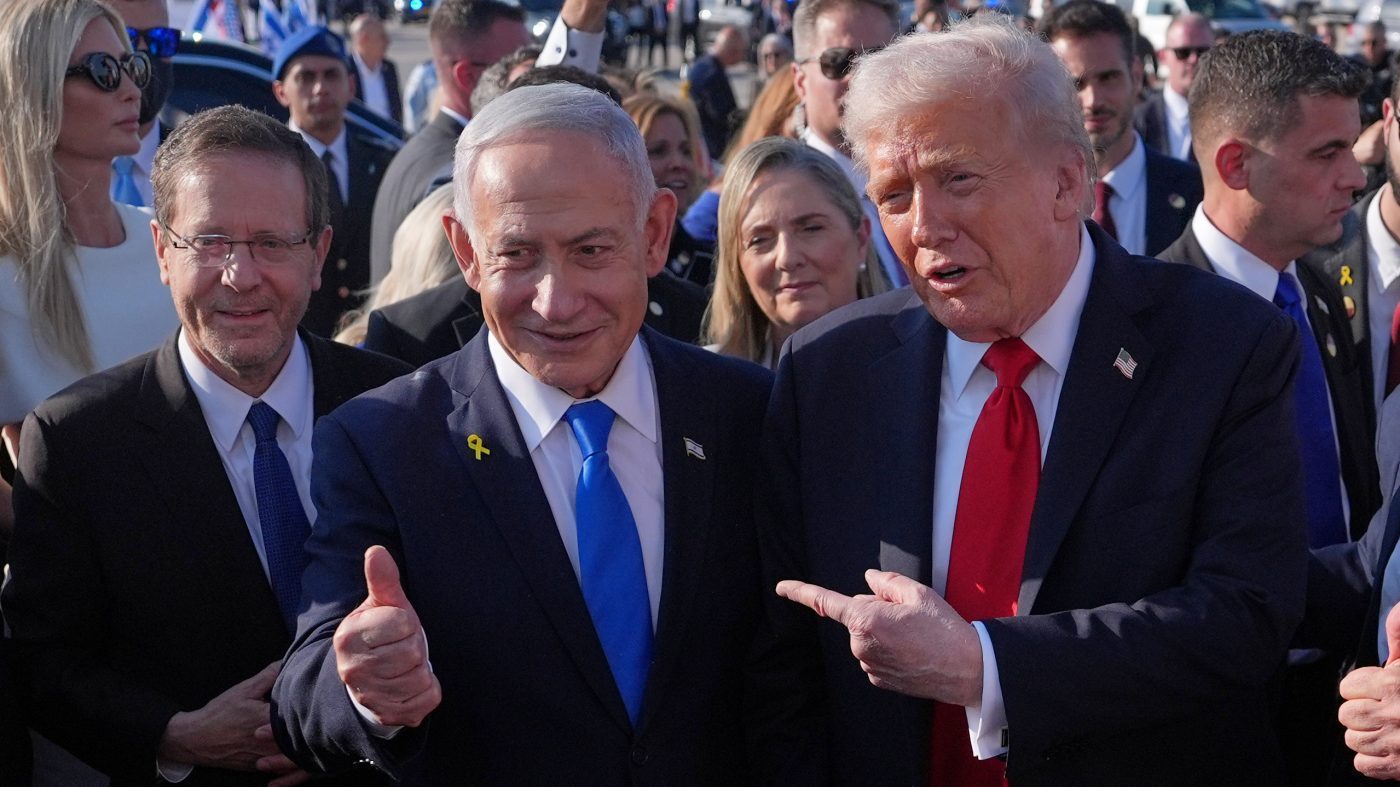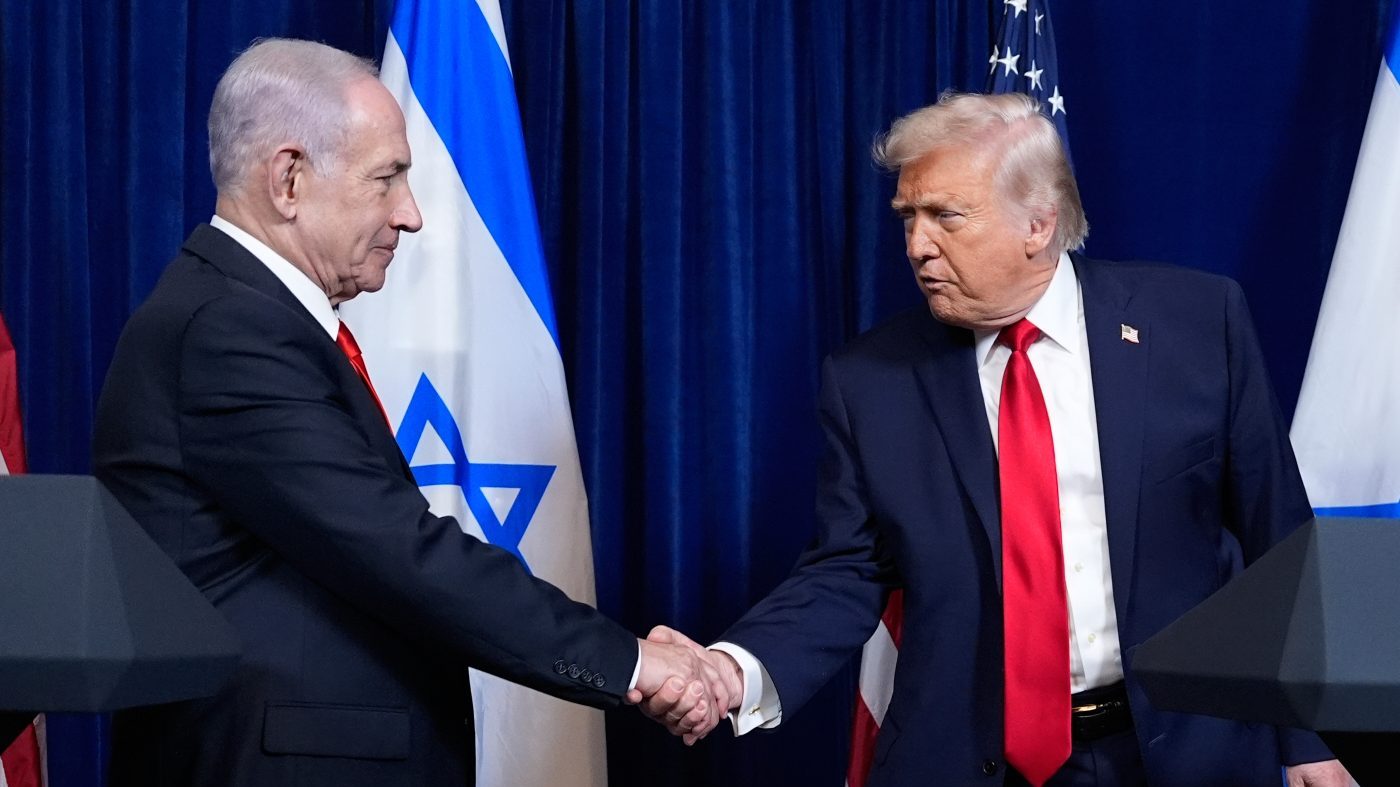
President Donald Trump acknowledged that he used profane language toward Israeli Prime Minister Benjamin Netanyahu during a tense phone call this week, expressing frustration that Israel's ongoing military campaign in Lebanon is undermining U.S. efforts to negotiate a peace deal with Iran.
In an interview with the New York Post's “Pod Force One” released Wednesday, Trump confirmed earlier Axios reporting that he called Netanyahu “f—king crazy.” The president said he was “a little bit perturbed at his constantly fighting with Lebanon,” a reference to Israeli strikes against Iranian-backed Hezbollah forces operating there.
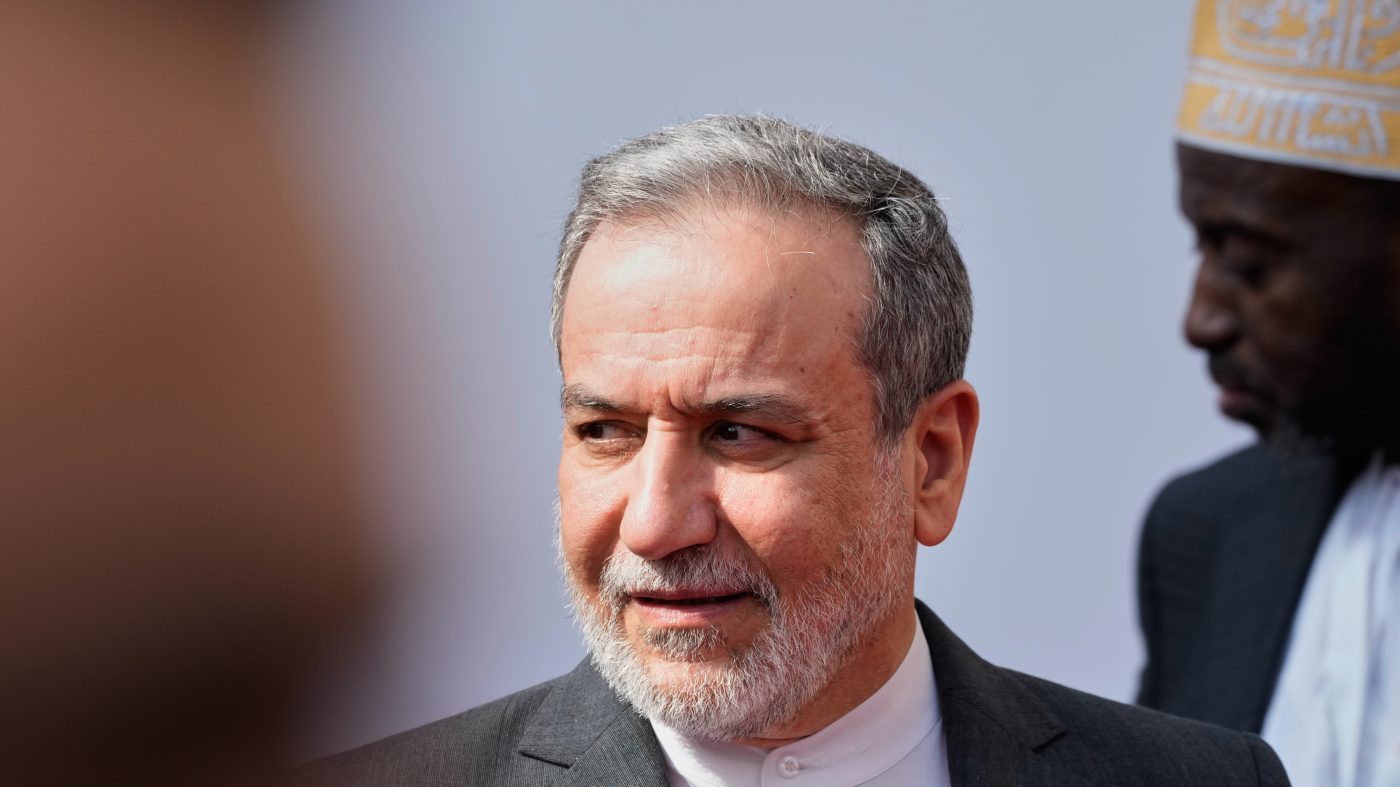
Those attacks have effectively stalled talks between Washington and Tehran aimed at ending the three-month war in Iran. Iranian officials have insisted that Israel halt its military action against Hezbollah before any agreement can be reached to reopen the Strait of Hormuz or renegotiate Iran's nuclear program. The strait, a critical chokepoint for global oil shipments, has seen Iran impose steep tolls on commercial vessels, driving up energy prices worldwide. The Pentagon's naval blockade of Iranian ports, which has turned away over 100 ships since April, remains in effect.
Despite the heated exchange, Trump emphasized that his relationship with Netanyahu remains functional. “I like Bibi a lot. And I work very well with him,” he told host Miranda Devine. “I'm a wartime president. He's a wartime prime minister.”
A U.S. official familiar with the call told Axios that Trump warned Netanyahu that following through on threats to strike Beirut would further isolate Israel internationally. The administration has been pushing to ease restrictions on the Strait of Hormuz, where Iran's actions have contributed to global inflation—a dynamic that some argue is more damaging than Trump's own trade policies.
The confrontation underscores growing friction between the two allies as Trump pursues a broader diplomatic reset in the Middle East. The president told the Post he remains optimistic that a deal with Iran can be reached soon, despite the current impasse. However, critics warn that deep cuts to foreign aid and shifting priorities could undermine long-term stability.
Trump's blunt language is consistent with his transactional approach to foreign policy, but it also highlights the delicate balancing act required to manage both a key ally and a hostile adversary. With oil markets volatile and the Strait of Hormuz still effectively closed, the stakes for a resolution have never been higher.