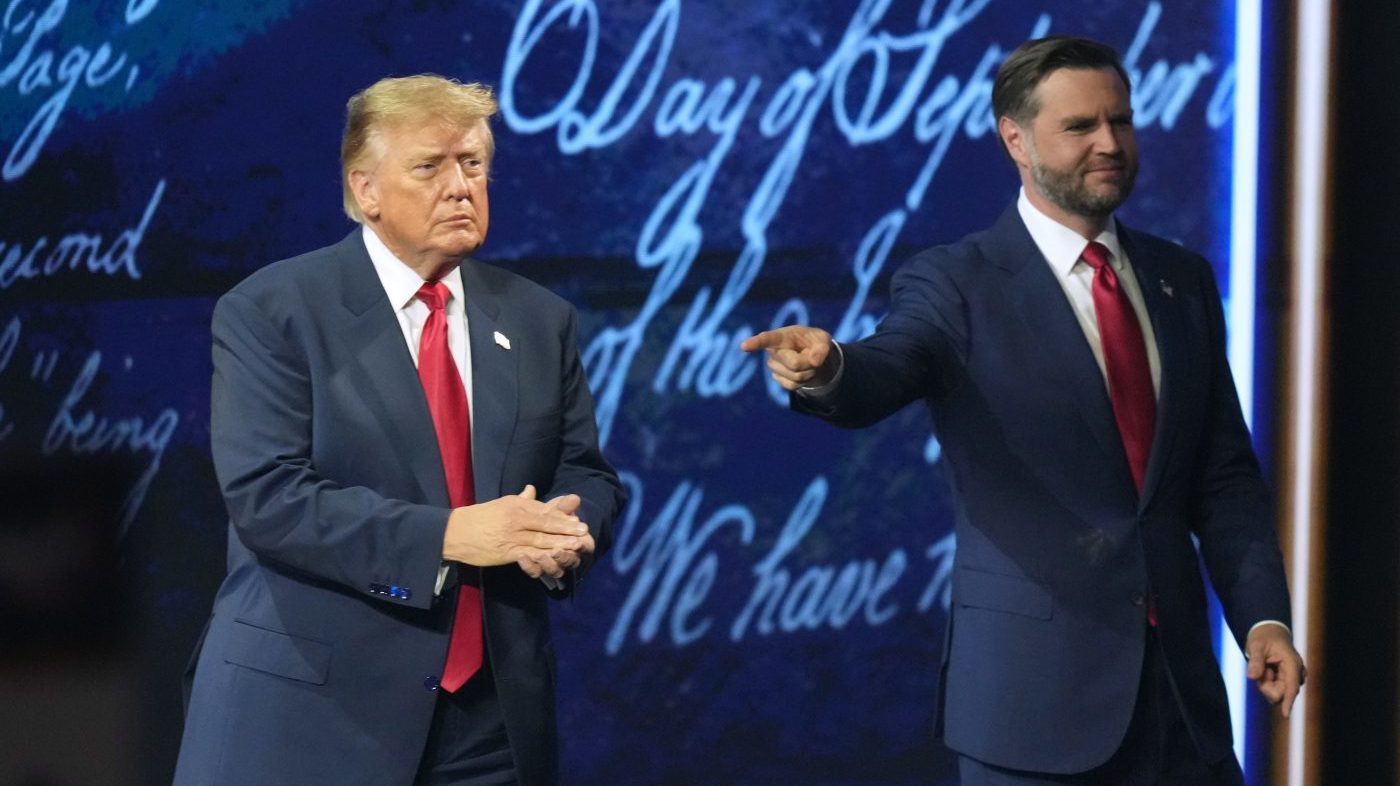
President Trump used a primetime address on Thursday night to resurrect his unsubstantiated claims of foreign interference in U.S. elections, drawing sharp criticism from Democrats and Beijing as lawmakers grapple with the implications of his push to overhaul the nation’s voting system. The address, which several major networks declined to air live, reignited a political firestorm over election integrity and the 2020 presidential outcome.
Trump’s Allegations and the White House’s Evidence
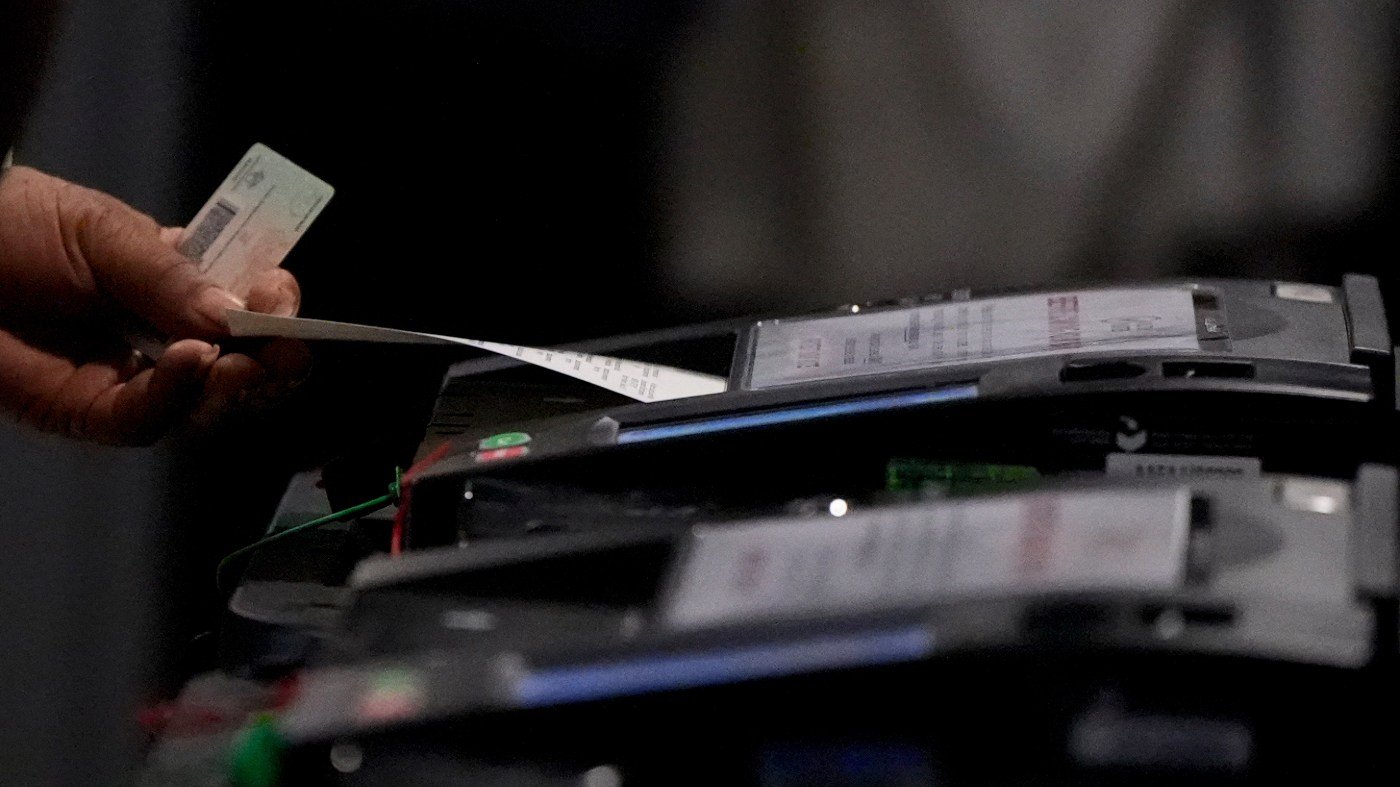
During the speech, Trump asserted that China had obtained hundreds of millions of U.S. voter records while attempting to meddle in the 2020 election. He argued that newly declassified documents exposed severe vulnerabilities in America’s electoral infrastructure. The White House subsequently posted these documents on a new “election integrity” webpage, including intelligence assessments, declassified FBI files, and claims of Chinese acquisition of voter data.

However, the records failed to provide concrete evidence that foreign governments altered or interfered with the election results that saw Trump defeated by former President Joe Biden. This lack of substantiation prompted immediate backlash from Democratic leaders, election experts, and Chinese officials, who dismissed the claims as baseless.
Beijing’s Rebuttal and Diplomatic Tensions
China swiftly rejected Trump’s allegations. Foreign Ministry spokesperson Lin Jian called the claims “entirely fabricated” and insisted China has no interest in interfering in U.S. elections. “The relevant allegations by the U.S. are entirely fabricated and aimed at vilifying China,” Lin said during a Friday briefing. “We have no interest in interfering in US elections and have never done so.”
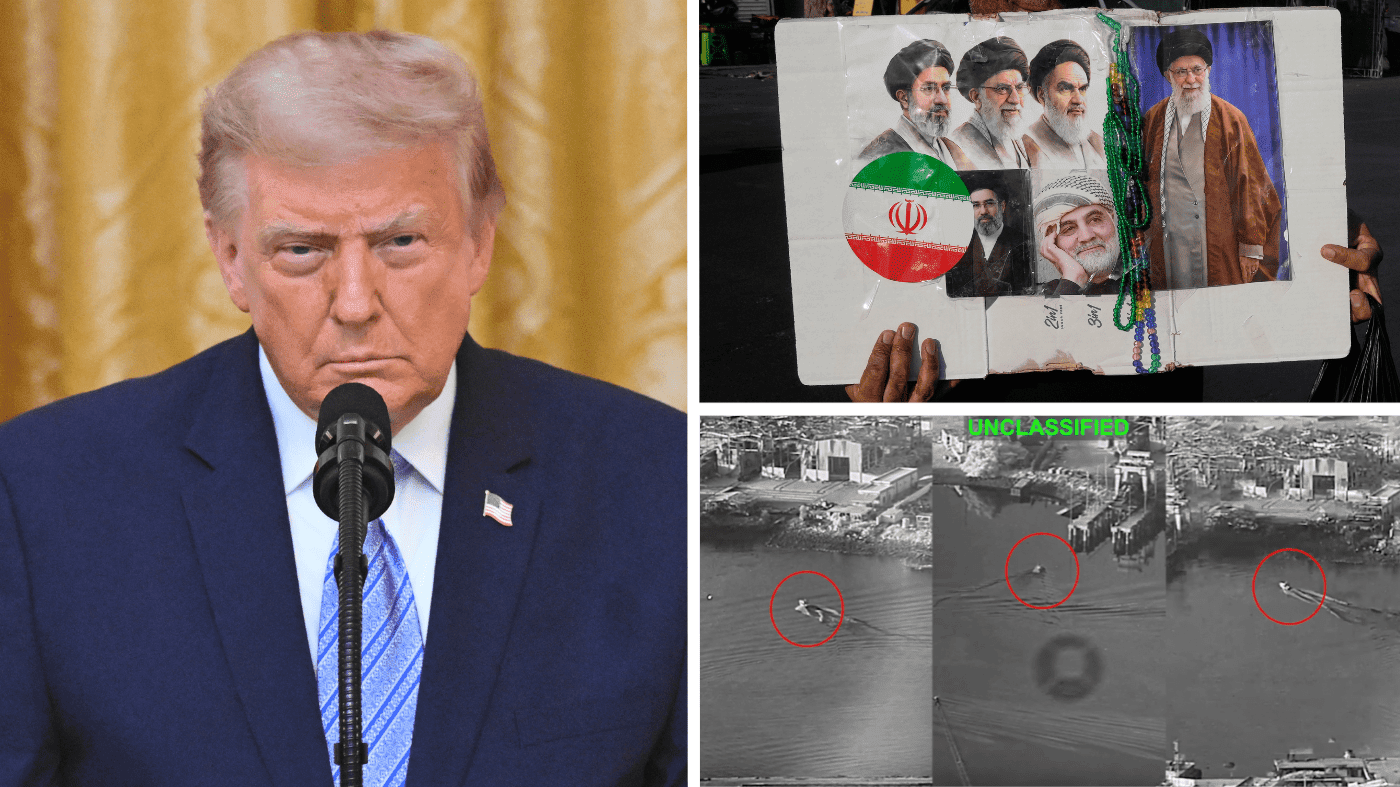
Lin urged Washington to stop blaming China for U.S. election issues, warning that such accusations risk further straining bilateral relations. His comments come ahead of Chinese President Xi Jinping’s planned visit to the U.S. in September, adding urgency to the diplomatic friction. The tension echoes broader geopolitical strains, as seen in the ongoing conflict in the Middle East, where Iran’s Supreme Leader has denounced a U.S.-backed ceasefire as worthless amid renewed hostilities.
Democratic Condemnation and Calls for Confidence in Elections
Democrats on Capitol Hill condemned Trump’s remarks, accusing him of undermining public faith in democratic processes by reviving false narratives about his 2020 defeat. Sen. Mark Warner (D-Va.) expressed embarrassment over what he called “a whole series of falsehoods” designed to weaken trust in the electoral system. He highlighted the irony that Trump’s own appointees, including former CIA Director John Ratcliffe, led the intelligence community at the time and failed to find substantial evidence to support such claims.
Warner also noted that voter registration records are often legally available for purchase in many states, rendering allegations of hacking unnecessary. “You know what? You can buy these voter files. There’s no need to hack,” he stated, adding that he regularly purchases such files from his home state.
Media Coverage and Political Fallout
The decision by major networks like CNN, NBC, and ABC to skip the live broadcast of Trump’s speech sparked internal debate. CNN host Michael Smerconish criticized his own network for not airing the address, arguing viewers should be trusted to evaluate the president’s remarks themselves. The controversy comes amid broader discussions about media responsibility and political misinformation.
Trump used the address to renew pressure on Congress to pass the Safeguard American Voter Eligibility (SAVE America) Act, which would require proof of citizenship for voting and impose additional identification requirements. The legislation has stalled repeatedly, leading Trump to cancel the signing ceremony of an unrelated bipartisan housing bill, which later became law without his signature.
Senate Dynamics and Leadership Changes
On Capitol Hill, Republicans are navigating a shifting landscape following the death of Sen. Lindsey Graham (R-S.C.), a key Trump ally on national security. South Carolina Gov. Henry McMaster appointed Graham’s sister, Darline Graham Nardone, as a temporary replacement, with Trump endorsing her for a permanent seat. The race to fill the vacancy unfolds amid a contested midterm election year, as Republicans aim to maintain their slim majorities in both chambers.
Adding to the uncertainty, Senate Minority Leader Mitch McConnell’s hospitalization on June 14 has sparked calls for transparency about his health, including from Kentucky Gov. Andy Beshear (D). The fragile GOP majority faces additional pressures as the party weighs its legislative agenda.
Iran Conflict Escalates Amid Ceasefire Violations
In international developments, the war with Iran shows no signs of abating. Iranian Supreme Leader Mojtaba Khamenei accused the U.S. of repeatedly violating a fragile ceasefire agreement, calling Trump’s signature on a 14-point memorandum “utterly worthless and devoid of credibility.” The accusations follow a series of tit-for-tat strikes and renewed hostilities, leading to closures in the Strait of Hormuz as Iran continues to attack vessels. The U.S. has expanded strikes in the region, as detailed in a separate report on expanded U.S. operations against Iran.
Confirmation Hearings and Domestic Security Concerns
Sunday shows are also expected to cover the Senate confirmation hearing for acting Attorney General Todd Blanche, a former Trump personal attorney. Democrats pressed Blanche on his ability to lead the Justice Department independently, while outgoing Sen. John Cornyn (R-Texas) questioned him about a $1.8 billion “anti-weaponization” fund that could benefit Trump allies.
Additionally, recent fatal ICE shootings in Texas and Maine have prompted Democratic demands for investigations into the Department of Homeland Security’s vetting and training procedures, adding to the week’s political tensions.