The United States has long relied on Russia for a fifth of its nuclear reactor fuel, a dependence that persists despite a legal ban on imports. Now, the Department of Energy is betting on an unconventional solution: converting 20 metric tons of Cold War-era plutonium into fuel for a new generation of advanced reactors.
In a move announced this month, the DOE selected five companies—Oklo, Exodys Energy, SHINE Technologies, Standard Nuclear, and Flibe Energy—for preliminary negotiations under its Surplus Plutonium Utilization Program. The goal is to take weapons-grade plutonium dismantled from retired warheads and transform it into fuel, bypassing the need for enriched uranium that currently flows heavily from Russia.

The initiative is already drawing sharp criticism, with skeptics pointing to the failed MOX fuel facility at Savannah River Site in South Carolina. That project, which aimed to do something similar, burned through billions of taxpayer dollars before being scrapped in 2018, with costs ballooning past $50 billion. “Trying to convert this material into reactor fuel is insanity,” a nuclear physicist at the Union of Concerned Scientists told reporters, warning it would repeat the disastrous MOX program.
But supporters argue this effort is fundamentally different. For one, private industry is on the hook for costs. Oklo, for example, has pledged up to $2 billion to build fuel-fabrication infrastructure in partnership with European developer Newcleo. Unlike the government-run MOX project, where taxpayers absorbed every overrun, private capital introduces the discipline of finishing on budget.
Another key difference: the customer base. The MOX facility produced fuel for conventional light-water reactors that didn’t urgently need it. Today’s advanced reactors, by contrast, are desperate for fuel. The companies involved see the plutonium as a “bridge” to get first reactors running while domestic uranium enrichment scales up to meet long-term demand.
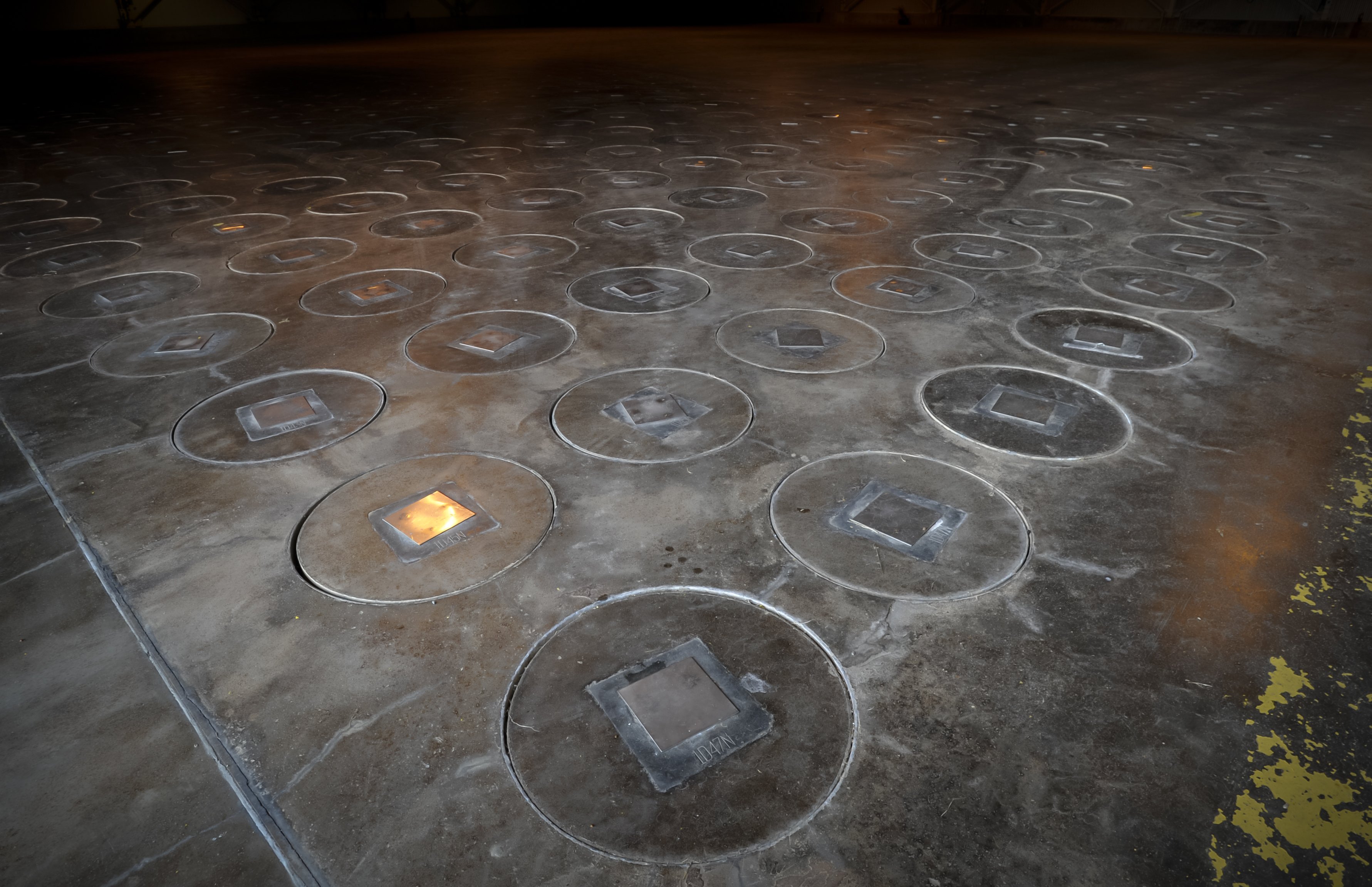
The alternative, proponents note, is not benign. If the program is canceled, the plutonium won’t disappear. The current plan is to blend it with inert material and bury it in an underground repository in New Mexico at an estimated cost of $20 billion. “The real choice is between spending $20 billion to bury energy-dense material, or having private companies pay to turn that same material into electricity,” the program’s backers argue, calling it “disposition through use.”
Proliferation risks remain a serious concern. Handling weapons-grade plutonium requires stringent safeguards, and any site involved will be subject to international oversight. Those protections must be robust and independently verified, advocates insist, but they argue safety is a reason to proceed carefully, not to abandon the effort entirely.
The DOE’s push comes amid broader efforts to reduce reliance on Russian enriched uranium, a chokepoint that constrains both current and future reactors. As the U.S. races to break that grip, the plutonium program offers a way to turn a Cold War liability into a domestic energy asset—turning swords into plowshares, as one official put it, not just as a metaphor but as engineering reality.
The negotiations are not final, but the debate is already shaping up. For a nation holding 20 tons of fuel-grade material and facing an adversary’s control over enrichment, the choice may be clearer than critics admit.