The Pentagon has blocked the release of a congressionally mandated watchdog report on the F-35 Joint Strike Fighter program, the Defense Department's most expensive weapons system, which has long been plagued by performance shortfalls and escalating costs.
A spokesperson for the Government Accountability Office (GAO) confirmed Wednesday that the Pentagon reviewed the report and designated it as containing “Controlled Unclassified Information with no current plan to be released to the public.” The report, titled “F-35 JOINT STRIKE FIGHTER: Update on Production and Modernization Efforts,” is typically issued annually and provides a critical assessment of the program's progress and challenges.

The Defense Department declined to comment on the decision. Bloomberg News first reported the block.
GAO reports have consistently highlighted the F-35's struggles, including late deliveries of engines and software updates, cost overruns, and persistent readiness gaps. A GAO report released last month found that only one in four F-35s is fully mission-capable, underscoring the severity of the program's issues.
“The strategy aims to address challenges we've identified, such as a lack of spare parts. However, we found that multiple issues could threaten its success—such as constrained industry capacity to meet increasing demand for parts,” the GAO wrote. The watchdog also noted that the Pentagon has paid contractor Lockheed Martin hundreds of millions in incentives since 2020 to improve readiness, but those incentives “haven't been effective.”
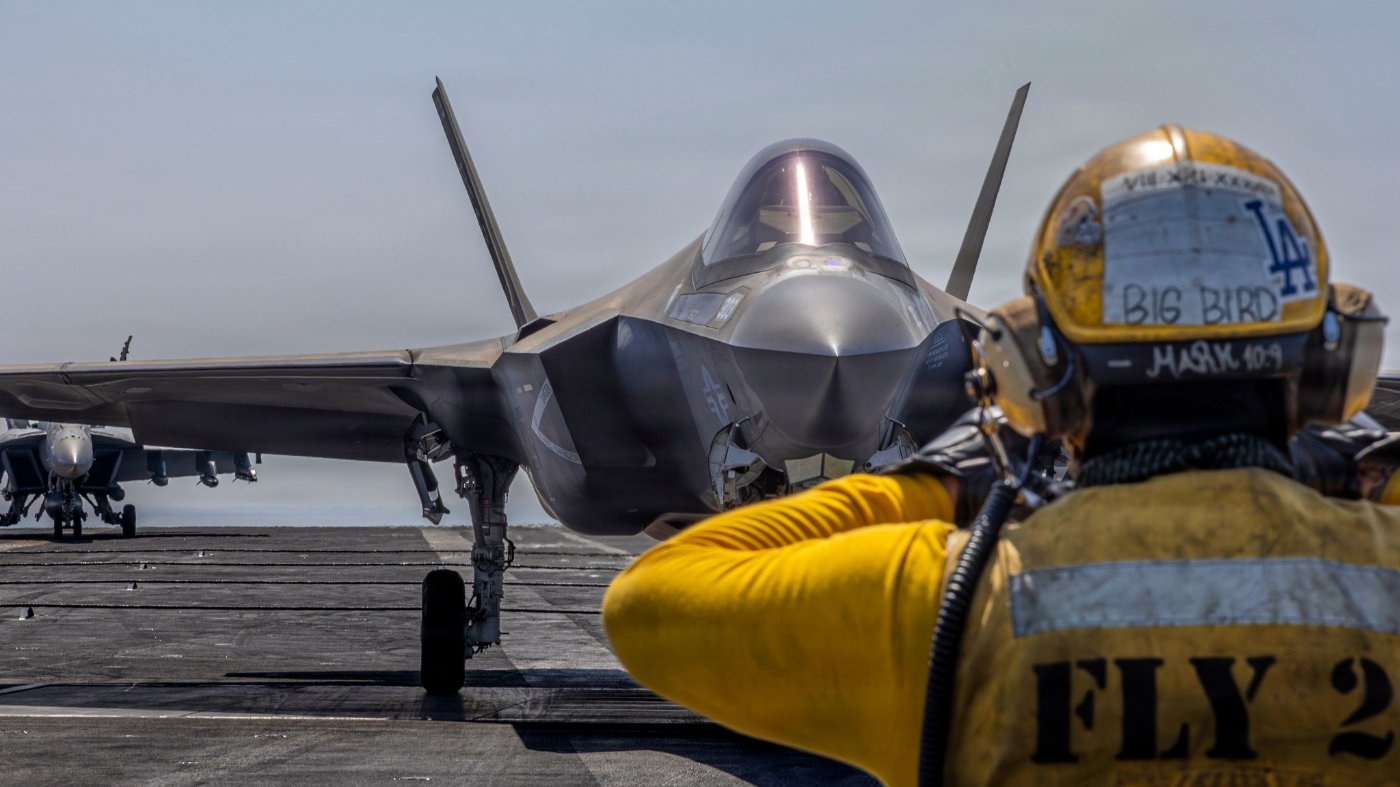
The F-35 Lightning II, a fifth-generation single-engine, supersonic stealth fighter, is designed to perform multiple roles with advanced sensors and electronic warfare capabilities. Despite its technological sophistication, the program has faced persistent criticism over its cost—now estimated at over $1.7 trillion over its lifetime—and its inability to achieve desired reliability levels.
The block comes as the Pentagon faces pressure from Senate Democrats to release a probe on an Iran school strike and as the department tightens secrecy under a new task force targeting leaks. The move also follows a Pentagon-DOJ task force targeting media leaks, reflecting a broader trend of restricted information flow.
Congressional oversight of the F-35 program has been robust, but the Pentagon's refusal to release the GAO report may fuel further scrutiny. Lawmakers have already raised concerns about the program's cost and performance, and the block could intensify calls for greater transparency.
The F-35 program, managed by Lockheed Martin, remains central to U.S. air power and allied defense strategies. However, its chronic issues have led to questions about its long-term viability and the effectiveness of Pentagon oversight.
As the Pentagon continues to invest heavily in the F-35, the blocked report raises questions about what information the department is withholding from Congress and the public. The GAO's findings, if released, could provide critical insights into the program's trajectory and inform future defense spending decisions.