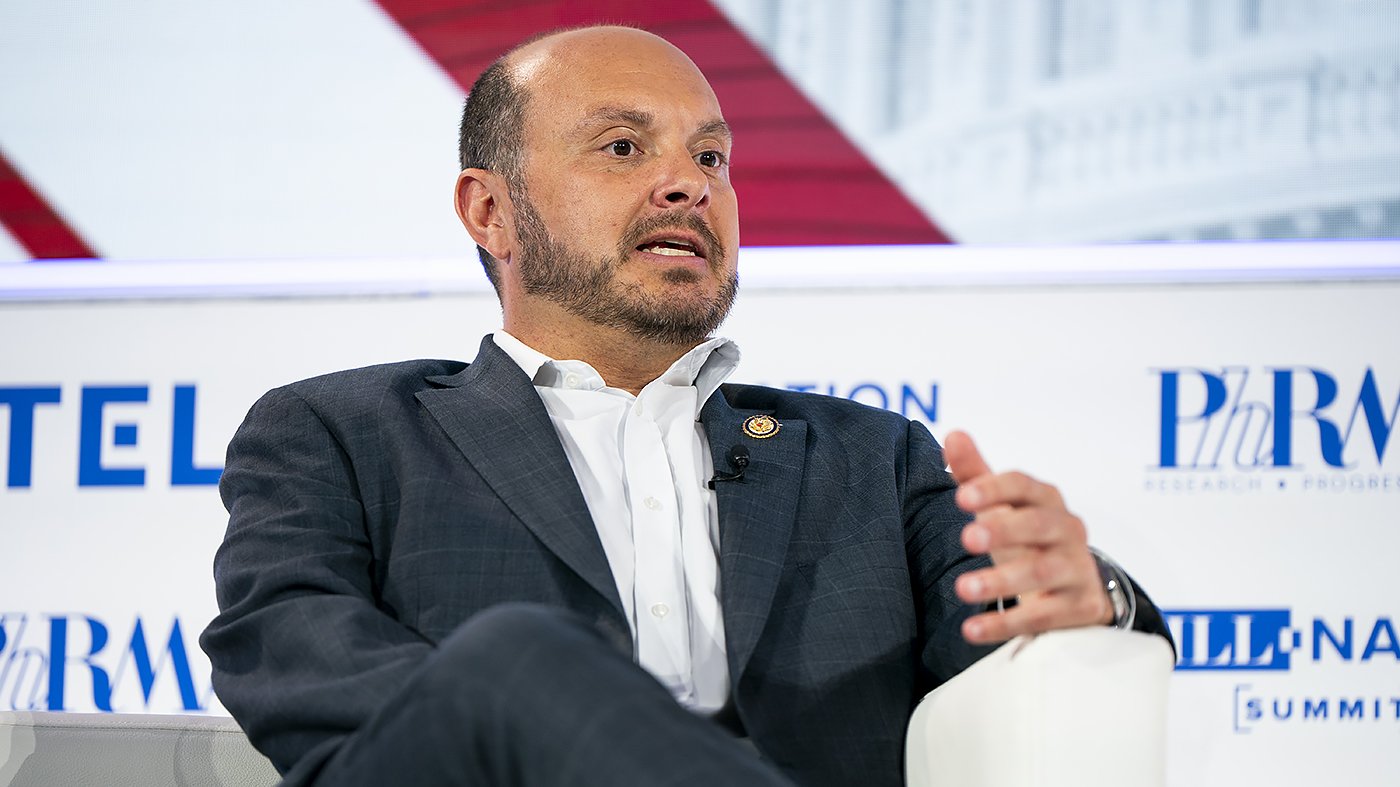
House Homeland Security Committee Chair Andrew Garbarino (R-N.Y.) is launching an oversight push targeting Immigration and Customs Enforcement after two fatal shootings by agency officers in the past week. Garbarino told The Hill at the second annual Hill Nation Summit that his panel has already contacted ICE and requested a formal briefing next week.
The briefing will focus exclusively on the status of ICE's body camera program, not the specifics of the shootings themselves, which remain under FBI investigation. In both incidents—one in Texas and one in Maine—officers were not wearing body cameras when they shot and killed the individuals, who were inside their vehicles.
Garbarino said he wants a clear timeline and implementation details for the body camera expansion that former Homeland Security Secretary Kristi Noem pledged to roll out nationwide in February. The lack of cameras in these shootings has intensified scrutiny of the agency's accountability measures.
While ICE has temporarily halted traffic stops in response to the shootings, Garbarino expressed reluctance to permanently remove that enforcement tool. “As long as those officers are focused on what they told us they were focused on, and they are, I don’t have a problem with them doing traffic stops,” the third-term lawmaker said.
President Trump weighed in on the issue earlier Wednesday, defending ICE traffic stops and rejecting calls to end the practice. His stance aligns with Garbarino's, but the shootings have sparked broader debate about enforcement tactics and transparency. As Trump defends ICE traffic stops amid deadly shootings, critics argue that the lack of body camera footage undermines public trust.
The oversight push comes as the Homeland Security Committee is also examining broader policy questions. Garbarino noted that the panel will continue to monitor ICE's operations, but he stopped short of endorsing a permanent ban on traffic stops. “I’m not sure we should remove that tool from their tool bag,” he said.
Meanwhile, the two fatal shootings have drawn comparisons to other high-profile incidents involving federal law enforcement. In a separate exchange on the House floor, Rep. Seth Magaziner (D-R.I.) sharply criticized Rep. Markwayne Mullin (R-Okla.) over the ICE shootings, telling him, “You’re back on the front page.” That confrontation highlights the partisan divide over immigration enforcement and police accountability.
Garbarino’s request for a briefing next week will likely be the first step in a longer oversight process. The committee is expected to press ICE for detailed data on body camera deployment, training protocols, and incident review procedures. With the FBI still investigating the shootings, the agency faces mounting pressure to demonstrate that it can police itself effectively.
As the debate continues, the question of whether body cameras could have prevented the shootings or provided crucial evidence remains unanswered. For now, Garbarino is focused on getting answers—and ensuring that ICE’s promises on transparency are kept.