U.S. Central Command announced Tuesday night that it had completed another round of strikes against “dozens” of Iranian military installations near the Strait of Hormuz and along Iran’s coastline, marking the fourth consecutive day of American airstrikes in the escalating conflict.
The operation, which began at 10 p.m. EDT, followed the reimposition of a U.S. naval blockade at 4 p.m. EDT. More than 20 Navy warships and hundreds of military aircraft are now deployed across the Middle East, according to Centcom.
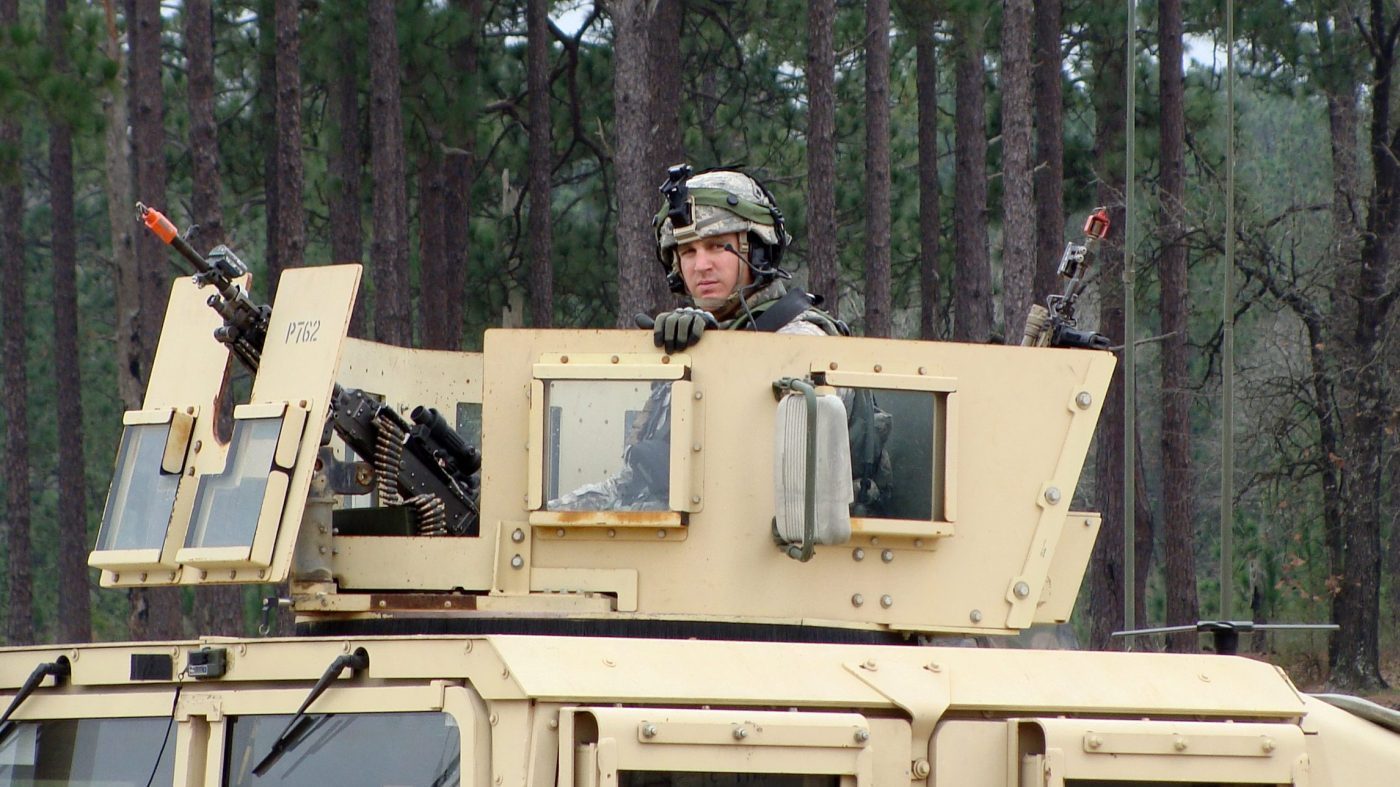
“U.S. fighter aircraft, drones, and naval vessels launched precision munitions against Iranian missile and drone sites, naval capabilities, and coastal defense systems during the seven-hour wave to further degrade Iran’s ability to threaten commercial shipping and civilian crews,” Centcom said in a statement.
The initial blockade had been lifted on June 18. On Monday, President Trump announced a plan to collect a 20 percent fee on all cargo transiting the strait, but reversed course a day later, saying he would replace it with “Trade and Investment Deals that the various Gulf States will be making into the United States.”
Tuesday’s strikes follow a pattern of escalating U.S. military action. On Monday, American forces hit targets in Bushehr, Chah Bahar, Jask, Konarak, Abu Musa, and Bandar Abbas. The campaign has drawn sharp criticism from some lawmakers and raised fears of a broader war, as Centcom unleashes precision strikes to counter Iranian threats to shipping.
In an interview with Fox News’s Trey Yingst on Tuesday night, Trump warned of even heavier strikes ahead. “We’re going to hit them very hard tonight, we’re going to hit them very hard tomorrow night, we’re going to hit them very hard the night after, and then next week it gets really bad for them,” he said. “Because next week comes the power plants, next week comes the bridges.”
The president’s threat to target critical infrastructure has alarmed diplomats and analysts, who note that such strikes could cripple Iran’s economy and civilian life. The White House has framed the campaign as a necessary response to Iranian attacks on commercial vessels, but critics argue it risks drawing the U.S. into a protracted conflict.
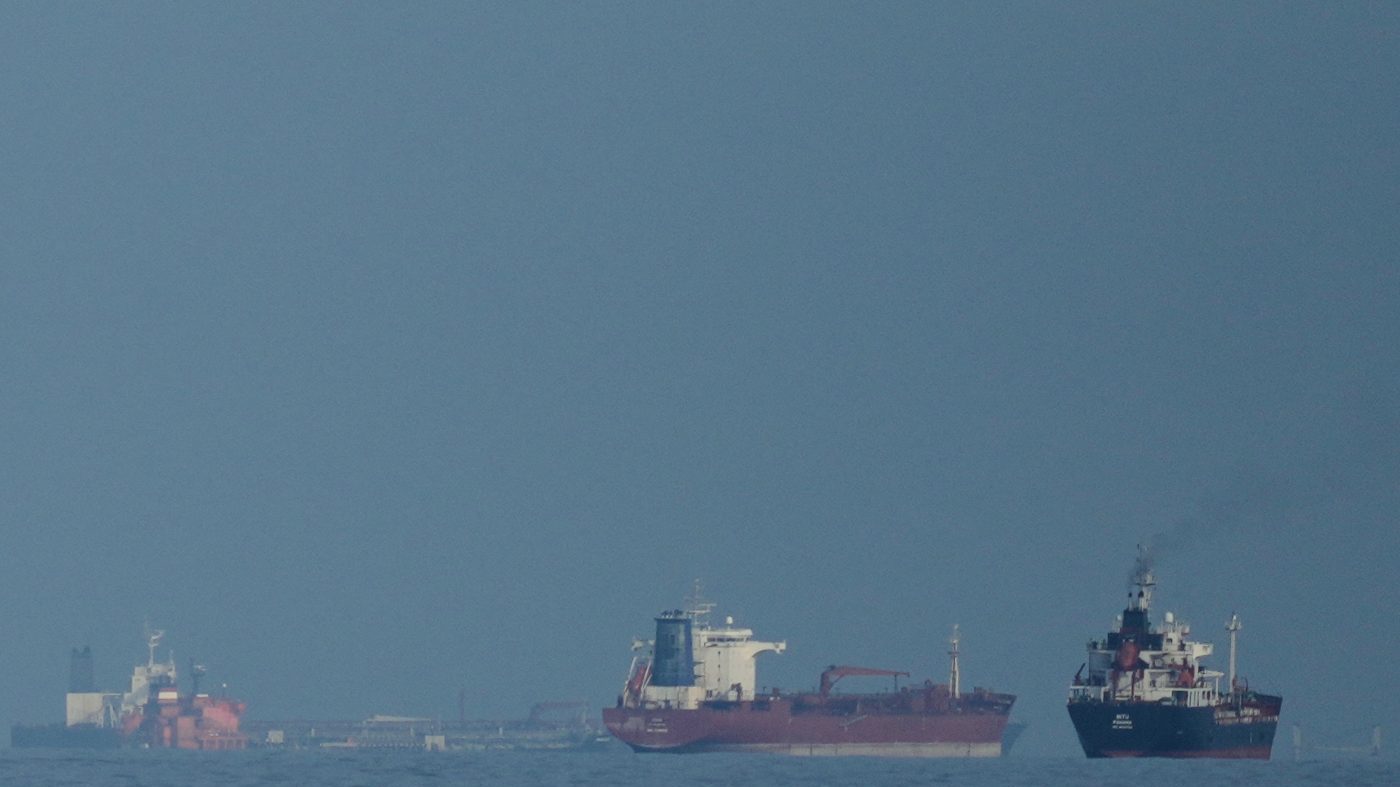
The Strait of Hormuz, a chokepoint for about 20 percent of the world’s oil supply, has been a flashpoint for weeks. The U.S. Navy reimposed the blockade amid rising tensions, and Trump has hosted Iraqi Prime Minister Mustafa al-Kadhimi for talks aimed at containing the crisis, as reported in Trump hosts Iraqi PM amid escalating US-Iran strikes.
Meanwhile, the Pentagon has tightened operational secrecy, launching a task force with the Justice Department to crack down on media leaks, a move that has drawn scrutiny from press freedom advocates. The administration’s aggressive posture has also drawn comparisons to former President Biden’s more cautious approach, with Senator Mitt Romney implicitly criticizing Trump’s age and leadership style in recent remarks.
Claire Leibowitz contributed reporting.