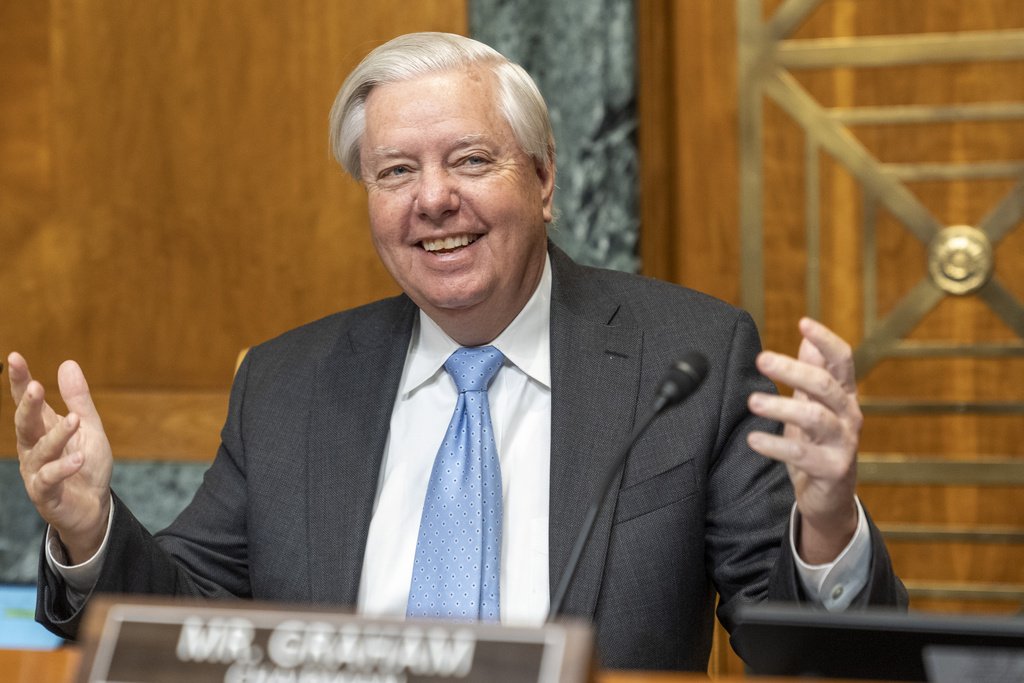
The death of Sen. Lindsey Graham (R-S.C.) has prompted an outpouring of tributes from colleagues across the aisle, but his political path was anything but straight. Graham, who died suddenly at 71, leaves behind a career marked by dramatic shifts—from a maverick moderate to a key ally of former President Donald Trump.
Graham first entered Congress as a House member in 1995, known for his sharp wit and willingness to break with his party. He quickly became a favorite on CNN's Crossfire, where he was seen as a thoughtful conservative. In the Senate, he forged a close bond with the late John McCain (R-Ariz.) and Joe Lieberman (D-Conn.), forming the bipartisan "Three Amigos" who championed a strong foreign policy.
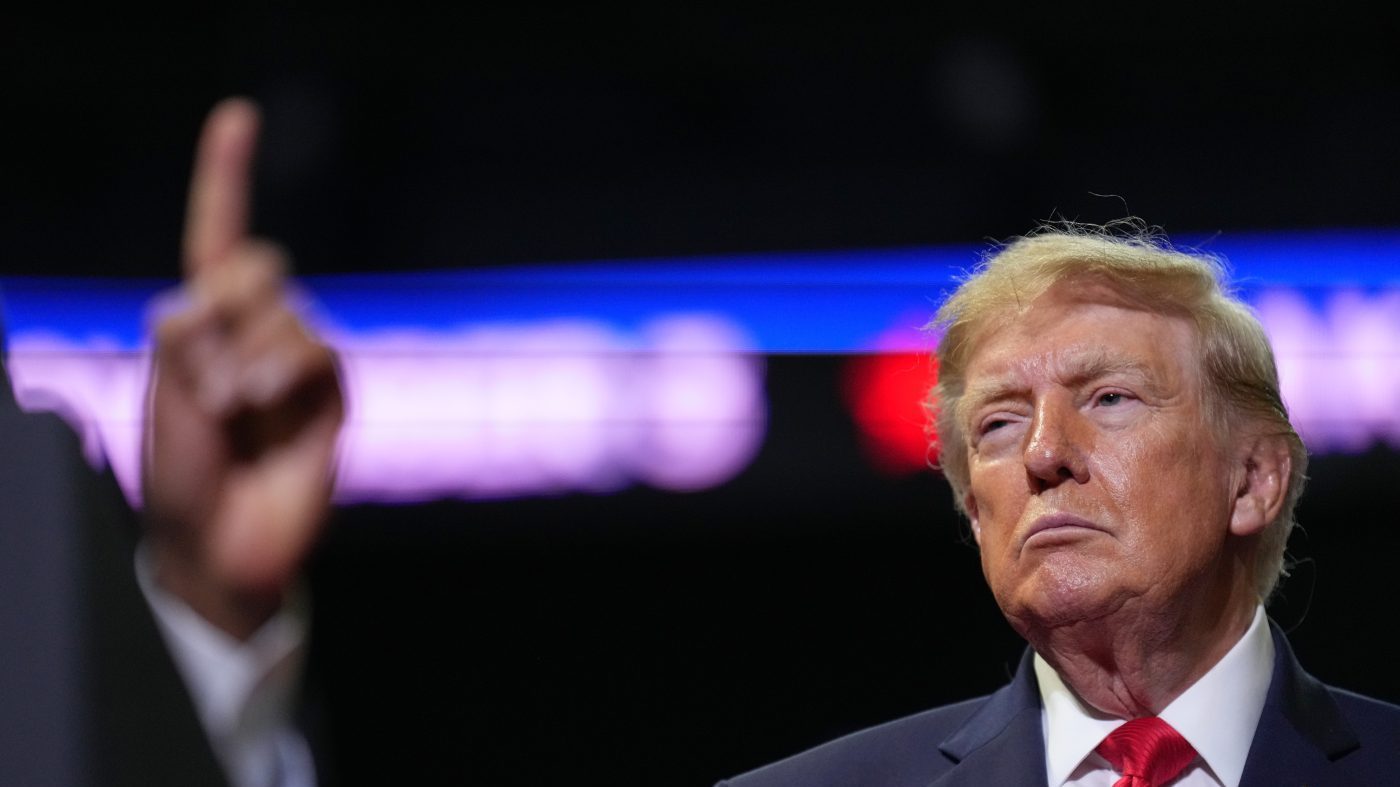
But the 2016 election upended that trajectory. Graham was an early and vocal critic of Trump, calling him a "race-baiting, xenophobic, religious bigot" and saying the GOP should "tell Donald Trump to go to hell." He even admitted to voting for independent Evan McMullin over Trump and Hillary Clinton.
After Trump's victory, Graham made a stunning reversal. He became one of Trump's closest confidants, a frequent White House visitor and golf partner. The shift from McCain's best friend to Trump's BFF was stark. Then came January 6, 2021, when Graham publicly broke with Trump, saying, "Count me out. Enough is enough." But within months, he realigned with the former president, declaring in May 2021 that the GOP couldn't move forward without him.
Graham's death has triggered a scramble for his Senate seat. South Carolina Gov. Henry McMaster appointed Graham's sister, Darline Graham Nordone, to fill the vacancy, a move backed by Trump. The succession battle has already begun, with Trump-backed Darline Graham Nordone poised to succeed her late brother.
Medical examiners revealed that an aortic dissection caused Graham's death, a sudden event that has shaken the Senate. The medical examiner's report confirmed the cause, leaving colleagues to reflect on his legacy.
Graham's career is a study in contradictions. He was a patriot and a hard worker, respected for his dedication to South Carolina and national security. But he was also one of Trump's greatest enablers, helping to normalize a president who challenged democratic norms. As one colleague noted, "Trump would not be where he is today without him."
The tributes from both sides of the aisle speak to Graham's personal charm and effectiveness. Yet his political journey—from moderate to Trump loyalist—leaves a complex legacy that defies simple praise.