Republican Representative Greg Murphy, a practicing physician, is calling for the dismantling of the seven largest for-profit health insurance conglomerates, accusing them of extracting nearly $2 trillion annually from Americans while systematically denying care. Murphy, who co-chairs the Congressional Doctors Caucus, argues that these companies have created an oligopoly that prioritizes executive enrichment over patient health.
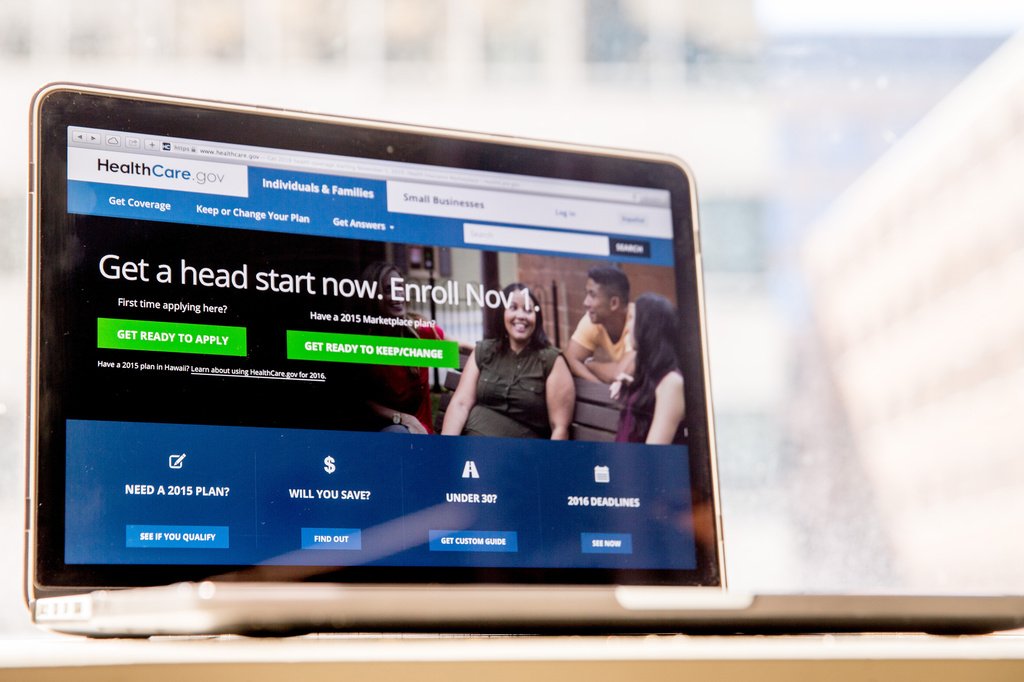
In 2025, the seven biggest insurers reported combined revenues of approximately $1.7 trillion and profits of at least $54 billion. Murphy contends the actual profits are likely higher, given the industry's track record of shifting and obscuring financial gains. While he acknowledges he is not opposed to profit in principle, he emphasizes that these companies rely heavily on taxpayer funding. UnitedHealthcare, the largest player, now derives more than 77 percent of its revenue from government programs, even though it covers nearly twice as many people through commercial plans. Murphy noted the irony that the industry lobbied aggressively to preserve ObamaCare subsidies.

Since 2015, the seven firms have spent over $137 billion on stock buybacks, a practice Murphy describes as a form of market manipulation that inflates executive pay and masks underlying financial weaknesses. Stock buybacks were largely illegal for most of the 20th century, classified as stock manipulation. Murphy argues that instead of using excess profits to lower premiums, the insurers drive up share prices, exacerbating the financial burden on patients.
Murphy points to a growing crisis of prior authorizations, claim denials, and out-of-network disputes as evidence that these companies prioritize profits over care. The explosion of vertical integration in the industry, he says, has coincided with the implementation of the Affordable Care Act, which he claims was written by insurers for insurers. He advocates for breaking up the giants and eliminating for-profit health insurance altogether.
Murphy's critique extends beyond insurers, but he singles out the health insurance lobby as the most powerful and self-serving in Washington. He argues that a visit to the emergency room should not trigger a life-altering financial burden, nor should cancer therapy or essential medications be out of reach due to cost. The American people, he says, are waking up to the industry's practices, and bipartisan attention in Congress is growing.
Murphy's comments come amid broader debates over healthcare costs and access. Recent reports warn that public health gains are at risk as federal funding dries up, and experts have raised concerns about political interference in preventive health panels. Meanwhile, Senator Mitch McConnell's extended absence has sparked bipartisan calls for transparency, highlighting the fragility of leadership in Washington.