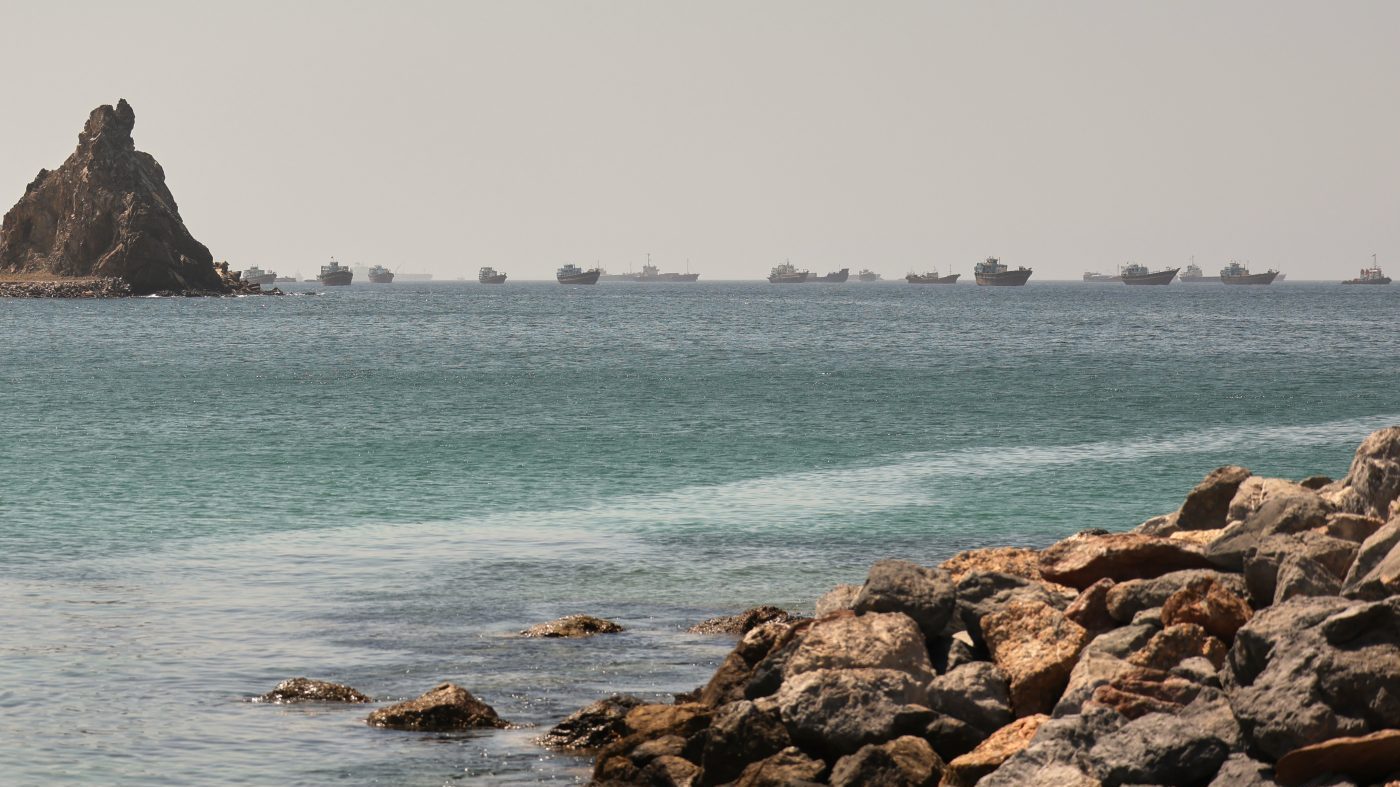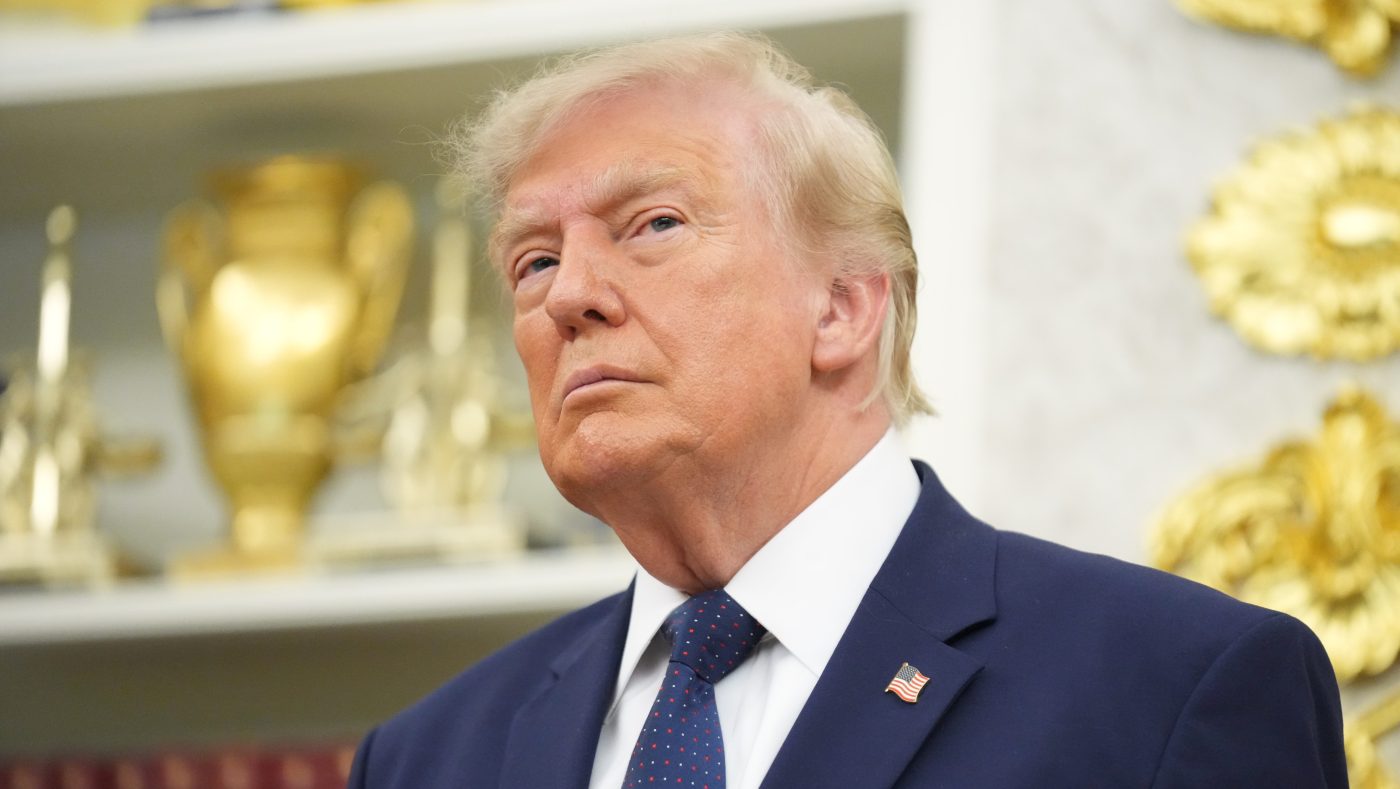
President Trump is once again ramping up military pressure on Iran, this time by reinstating a naval blockade in the Strait of Hormuz and imposing a 20% levy on all cargo passing through the waterway. But critics argue the move is less a coherent strategy than a desperate bid to regain control of a conflict that is spinning out of the administration's hands.
Blockade and Toll Spark Controversy
In a Monday morning social media post, Trump declared the U.S. would act as the “guardian” of the strait, vowing to “reinstate” the blockade originally designed to curb Iranian exports and force Tehran to lift its own de facto blockade of the vital shipping channel. The president added that the U.S. would be “reimbursed, at the rate of 20% on all cargo shipped.”
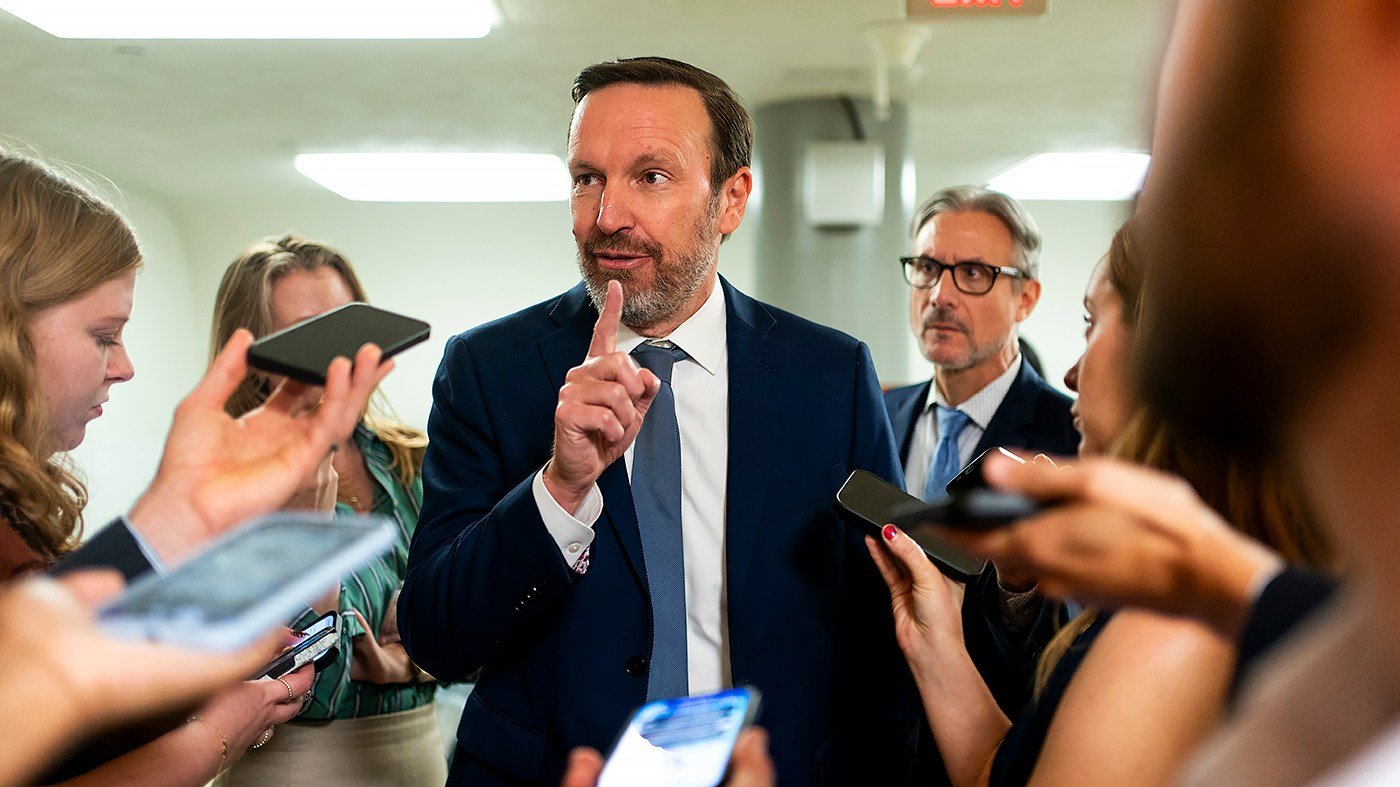
The proposed toll has drawn sharp criticism, even from within his own administration. Secretary of State Marco Rubio, just last month, denounced the concept when it appeared Iran might impose such fees. “No country is allowed to charge tolls or fees on an international waterway,” Rubio said in June, calling it a violation of international law. Trump’s announcement directly contradicts that stance.
Midterm Clock Ticks as Military Action Expands
The president is set to address the nation Thursday evening, and Iran is expected to be a central topic. Meanwhile, the White House confirmed Monday that Trump formally notified Congress last week of renewed military strikes against Iran, triggering a 60-day window for such operations without explicit legislative approval.
Trump’s escalation follows a series of Iranian attacks on commercial vessels in the strait in recent days. But his broader aim is to break Tehran’s grip on the narrow waterway, through which roughly 20% of the world’s oil transits. Critics, however, see a replay of earlier failures. “Trump is trying to return to military pressure in order to extract more concessions from Iran by force. But that is unlikely to work,” said Negar Mortazavi, a senior fellow at the Center for International Policy and Iranian American commentator. “Iran has already shown that it is willing to fight, escalate, and absorb significant costs, but not capitulate under pressure.”
Oil Prices Surge, Markets Slide
The renewed hostilities are already hitting Americans at the pump. Oil prices spiked more than 9% on Monday, and the broader S&P 500 index fell about three-quarters of a percentage point, while the tech-heavy Nasdaq dropped roughly 1.5%. The economic fallout comes as inflation remains a top concern for voters, adding to the political pressure on Trump ahead of the midterms.
Trump has framed his actions as a response to Iranian violations of the memorandum of understanding (MOU) signed in June. In a Fox News interview Monday, he complained that the U.S. frequently thought it had reached an agreement with Iran, but “they always break it.” Later, on radio host Hugh Hewitt’s show, he dismissed MOUs as meaningless “when you’re dealing with sleazebags.”
Critics counter that the MOU text itself effectively cedes control of the strait to Iran, with Tehran only agreeing to forgo tolls for 60 days. The administration argues Iran is violating the deal by attacking shipping, but analysts note the Islamic Republic views control of the strait as non-negotiable leverage.
Iran Digs In
Iranian officials have made clear they will not yield. Mohammad Mokhber, an adviser to Supreme Leader Mojtaba Khamenei, wrote on social media that the strait’s “strategic value” has “no substitute,” adding, “We defend it so that in the future, for the passage of our ships, we are not forced to pay tribute to the enemy!” Foreign Minister Abbas Araghchi mocked Trump’s 20% levy, suggesting Iran would remain the strait’s guardian “forever” and would be “fair” in its fees.
On the home front, some hawkish voices welcome Trump’s aggressive posture, but others see a leader out of options. Allison McManus, managing director of national security and international policy at the Center for American Progress, said, “It seems as though Trump is kind of grasping at straws here, stuck between a rock and a hard place. The Trump administration is really looking for any kind of announcement to give the impression they have some control, when it’s a situation over which they practically have very little control.”
As the president prepares his Thursday address, the question remains whether this latest salvo will shift the conflict’s trajectory or simply deepen an entanglement that voters are increasingly weary of.