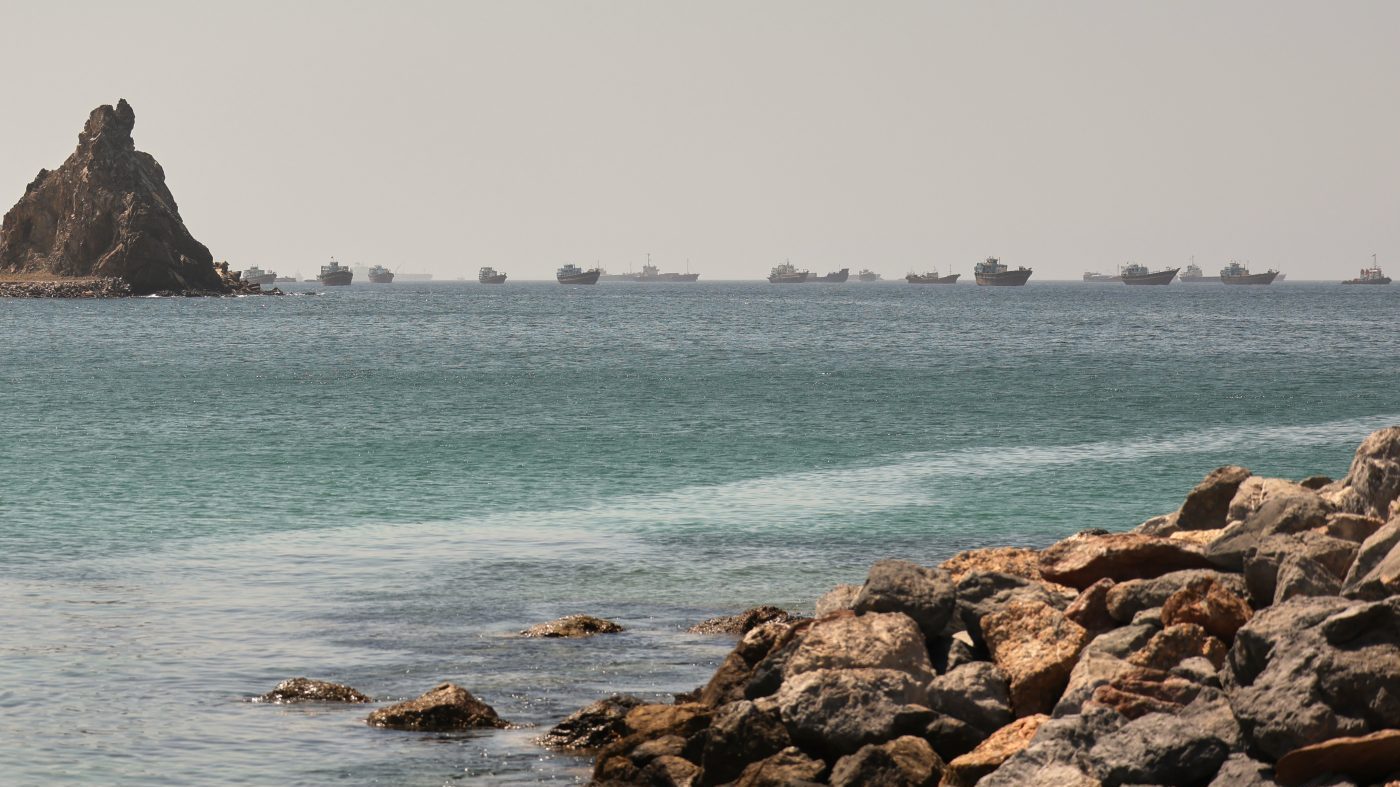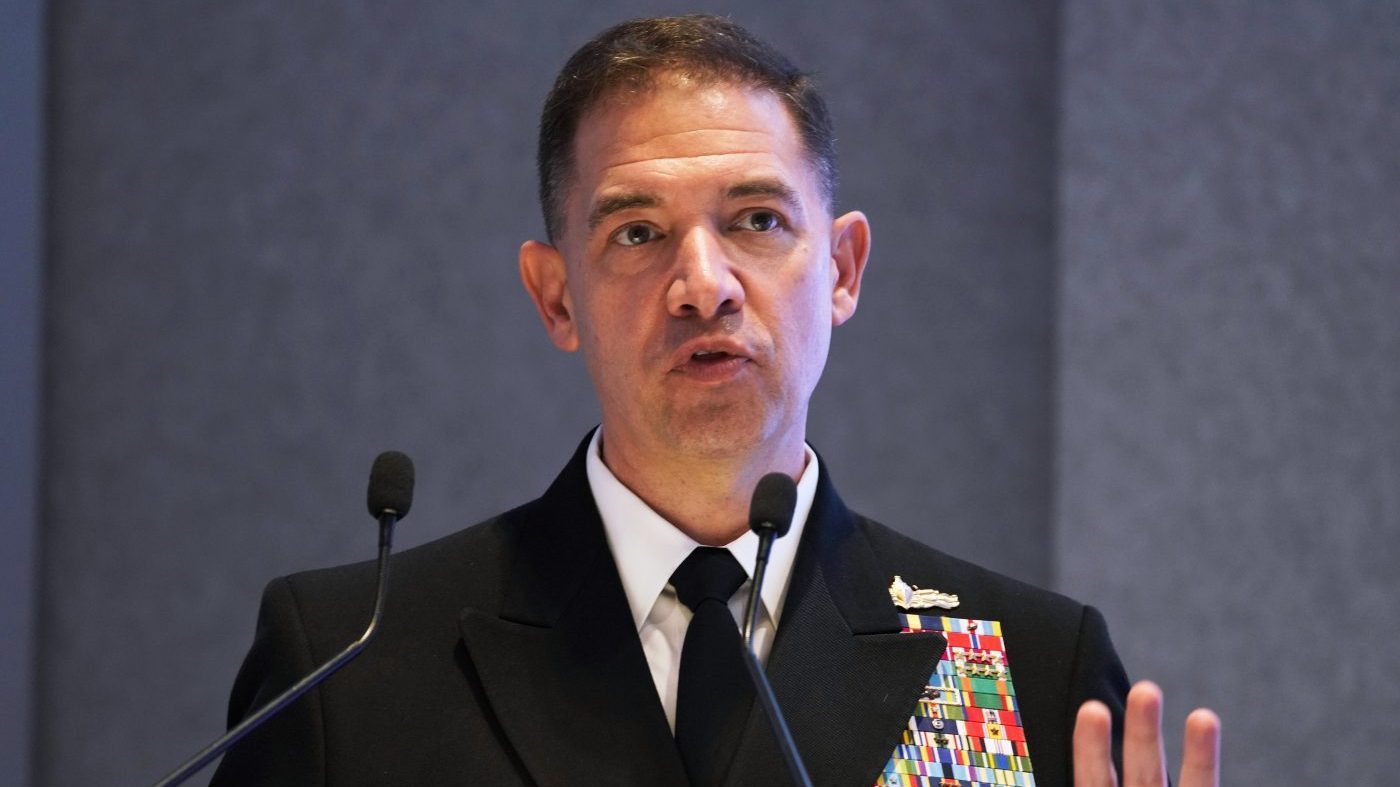
U.S. Central Command carried out a new wave of precision strikes on Iranian military assets Sunday, ratcheting up the confrontation over the Strait of Hormuz. The operation, which hit dozens of targets across multiple locations, is part of a broader campaign to cripple Tehran’s capacity to disrupt international shipping lanes.
Centcom announced Sunday evening that American forces used fighter aircraft, naval vessels, and—for the first time—both one-way attack aerial drones and one-way attack sea drones. The strikes targeted Iranian air-defense systems, coastal radar sites, missile and drone capabilities, and small boats.

The latest barrage follows a series of escalating exchanges that began after Iran attacked three commercial ships in the Strait of Hormuz on Monday. The United States resumed strikes on Iranian positions earlier this week, with President Donald Trump authorizing the operations to hold Tehran accountable.
“The Commander in Chief has directed the strikes to hold Iranian forces accountable,” Centcom said on the social platform X, referring to Trump. The command added that its forces remain “postured and prepared to ensure that freedom of navigation in the Strait of Hormuz remains available to commercial shipping despite Iran’s continued unwarranted aggression, harassment, threats, and arbitrary declarations.”
According to Centcom, the cumulative U.S. response has been massive. Over two rounds of strikes on Tuesday and Wednesday, American forces hit roughly 170 targets. On Saturday, they struck about 140 additional Iranian military sites, including missile and drone bases, naval capabilities, ammunition storage facilities, communication networks, and coastal surveillance locations. Sunday’s operation added to that tally.
Iran’s Islamic Revolutionary Guard Corps responded Sunday by launching a new wave of missile and drone attacks toward American bases in the Middle East, CNN reported. The IRGC had already carried out similar strikes earlier in the week, drawing condemnation from several Arab nations where the attacks occurred.
The conflict’s financial toll on the United States is mounting. Kent Smetters, the Boettner Chair Professor at the University of Pennsylvania’s Wharton School, told The Hill that the cost of the war from the end of February through April alone was roughly $45 billion. The White House has also requested $87.6 billion in supplemental funding from Congress, partially to cover stockpile replacements and troop deployments in the Centcom theater.
The resumption of hostilities marks a sharp reversal from earlier efforts to de-escalate tensions. Trump had previously declared a ceasefire with Iran dead, and the administration has warned of a possible naval blockade. The Strait of Hormuz, a critical chokepoint for global oil shipments, remains a flashpoint as both sides show no signs of backing down.