A new investigation published Sunday by The New York Times alleges that Russia has been leveraging Japan as a critical hub for espionage and technology acquisition to support its war effort in Ukraine. According to the report, which cites current and former officials from five Western intelligence agencies, Russian intelligence officers—particularly from the GRU’s 20th Directorate—have established a presence in Tokyo, often posing as diplomats or business executives. Their mission: to purchase or steal advanced combat technology and smuggle it back to Russia.
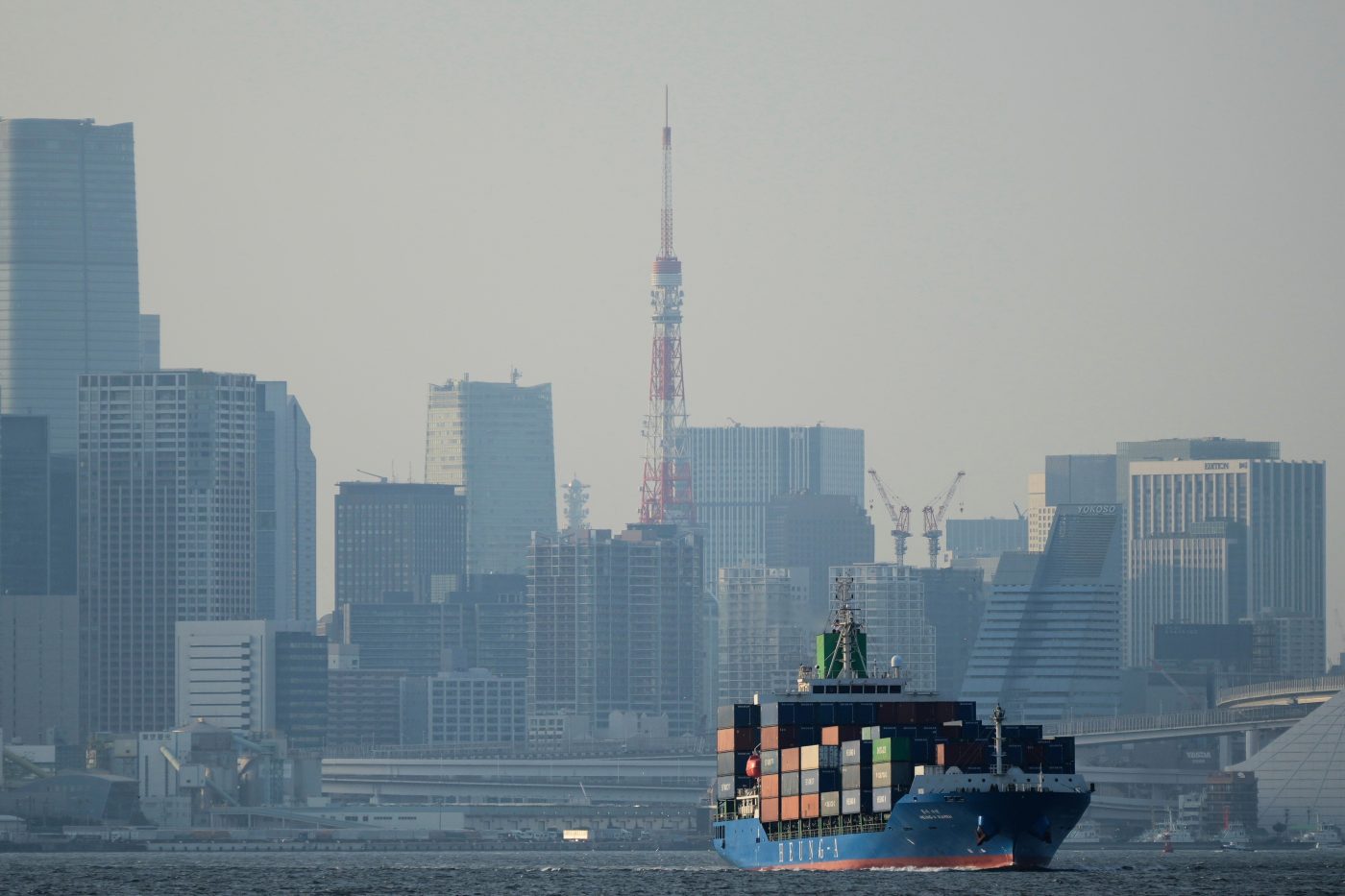
The report underscores how Russia’s expulsion of spies from Western nations early in the conflict has driven a strategic pivot to Japan. There, the Kremlin finds a permissive environment: Japan’s espionage laws are notably weak, and its high-tech industry offers a rich supply of components critical to Russian weapons systems. Ukrainian government estimates cited by the Times suggest that nine out of ten Russian missiles and drones now contain parts manufactured in Japan.

The 20th Directorate, a unit of Russia’s military intelligence, is at the center of these operations. The Times report, based on interviews with intelligence officials, describes how officers under diplomatic cover run procurement networks, exploiting Japan’s export control gaps. The findings come as bipartisan momentum builds in Washington to tighten sanctions on Moscow.
On Friday, a group of senators from both parties announced a breakthrough with the White House on long-stalled Russia sanctions legislation. “We are proud to announce that we have reached an agreement with the Trump Administration to move our updated Russia sanctions legislation forward,” said Sens. Lindsey Graham (R-S.C.), Richard Blumenthal (D-Conn.), Jeanne Shaheen (D-N.H.), and Roger Wicker (R-Miss.) in a joint statement. The statement was issued a day before Graham’s death on Saturday. “We are very pleased with this significant progress and expect to roll out the legislation very soon.”
The exact changes that cleared the impasse remain unclear. In December, the bill was blocked by Democrats who objected to provisions granting the president new tariff authorities. The deal now revives a measure that had been hung up in Congress for over a year, and which Shaheen has urged colleagues to pass as a memorial to Graham.
The Times report adds urgency to those legislative efforts. By exposing Japan’s role as a backdoor supplier of sensitive technology, it highlights a vulnerability in the current sanctions regime. The bipartisan agreement, which senators struck with the White House, aims to close such loopholes.
The revelations also come amid broader tensions in the Pacific. While the report focuses on espionage and tech theft, it raises questions about Japan’s export controls and its ability to police dual-use goods. With Russian forces relying heavily on drones and precision missiles, the flow of Japanese components has become a tactical issue on the battlefield.
The sanctions bill, once introduced, is expected to face a swift vote. Lawmakers on both sides have described it as a necessary tool to counter Russian aggression, particularly as Putin’s nuclear bluffing escalates amid mounting losses. For now, the White House and congressional leaders are working to finalize the text, with an announcement expected in the coming days.