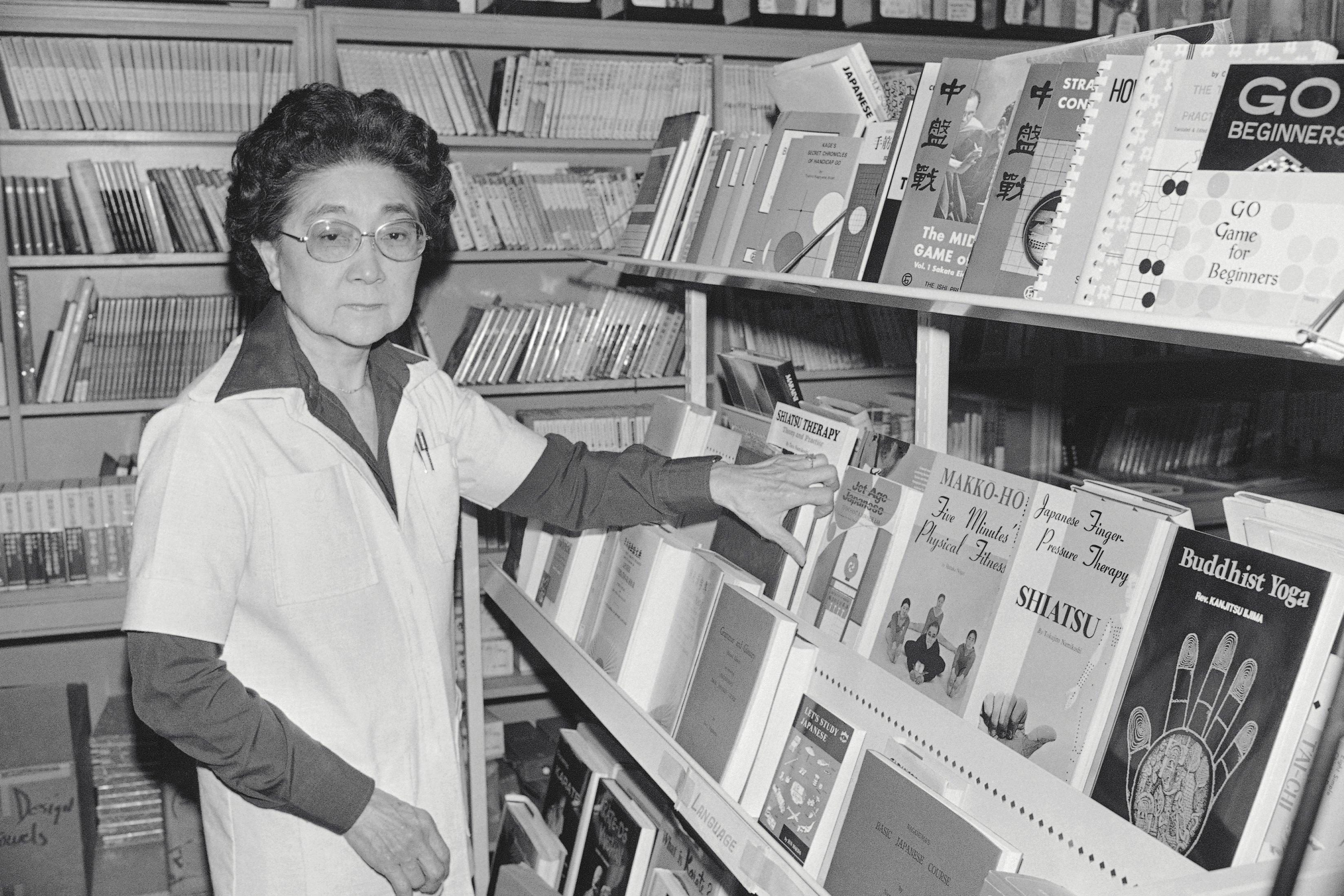
On July 4, 1916, Iva Ikuko Toguri was born in Los Angeles—25 years before she would travel to Japan and become infamous as Tokyo Rose, broadcasting propaganda for the Japanese military during World War II. She was later convicted of treason but pardoned by President Gerald Ford. Today, a new generation of American radicals is following a similar path, but with a crucial difference: they are willing participants.
Calla Walsh, 21, has been dubbed a “Tehran Rose” after appearing at the funeral of Iran’s Supreme Leader Ali Khamenei, praising him as the “greatest anti-imperialist leader.” Walsh, a college dropout from Cambridge, Massachusetts, is part of a small but vocal cohort of young Americans who have rallied to the anti-American cause. Others include Jackson Hinkle, who cheered a “Down with America” chant in Tehran, and Max Blumenthal, 48, the son of former Clinton aide Sidney Blumenthal.
These figures are protected by the First Amendment to voice unpopular views, including denouncing their own country. But their support for regimes that deny free speech and human rights raises questions about where dissent ends and criminal conduct begins. As the U.S. grapples with ongoing tensions with Tehran, the role of these influencers becomes more fraught.
Walsh was raised a progressive Brahman in Cambridge, the daughter of a Boston University English professor and a Harvard Extension School instructor. The media eagerly promoted her radical views: The New York Times profiled her glowingly, and Teen Vogue published her socialist manifesto. She worked on the campaigns of Senator Elizabeth Warren and Boston Mayor Michelle Wu, earning more gushing coverage. Hinkle, born in San Clemente, California, was named one of Reader’s Digest’s “Most Inspirational Kids of 2017” and featured in Teen Vogue as an inspiring young activist. Now he supports not only Iran’s regime but also Vladimir Putin’s war in Ukraine.
Blumenthal, a scion of the Democratic establishment, attended Georgetown Day School and the University of Pennsylvania. His connections gave him access to elite outlets like The New York Times and The Los Angeles Times, where he wrote far-left columns. He has become an apologist for regimes hostile to the U.S., dismissing atrocities by Syria and Russia. His father Sidney sent Hillary Clinton two dozen of his columns; she responded with praise like “Max strikes again!” and “He’s so good.”
All three are products of what might be called radical chic in media and higher education. As the radical left’s influence on the Democratic Party grows, these voices are given platforms as influencers. But the pipeline runs through academia: colleges are churning out radicalized young people with few job prospects and plenty of rage. A recent Fourth of July event in Chicago featured Bill Ayers, a former Weather Underground terrorist, and Princeton professor Keeanga-Yamahtta Taylor, who told the audience they were part of the “F— the U.S.” crowd and denounced borders as “deadly.”
Walsh’s emergence echoes Toguri’s story, but with a stark contrast. Toguri was trapped in Japan after the U.S. refused to recognize her citizenship; she was destitute and coerced, insisting she never attacked America. Walsh, by contrast, is a willing, raving anti-Semitic ally to the Iranians. She found ample support in the media as she veered leftward, with Teen Vogue publishing her manifesto: “I’m a 17-year-old socialist. For my generation, a fascist presidential administration, pandemic, economic collapse, and a historic uprising for Black lives have shaped our worldview.”
The question remains: when does protected speech cross the line into aiding a hostile power? As Tehran mourns Khamenei and questions swirl about succession, the influence of these American propagandists may grow. But unlike Toguri, they face no coercion—only the embrace of a media culture that celebrates their radicalism.