The Department of Justice on Friday issued subpoenas to four New York Times journalists, escalating a confrontation with the press over a story that detailed security shortcomings in President Trump's newly acquired Air Force One, a plane gifted by Qatar.
The reporters—Julian E. Barnes, Eric Lipton, Tyler Pager, and Eric Schmitt—are now required to testify before a federal grand jury in Manhattan next week regarding an alleged federal crime. The subpoenas were delivered to their homes by federal agents, according to the Times.
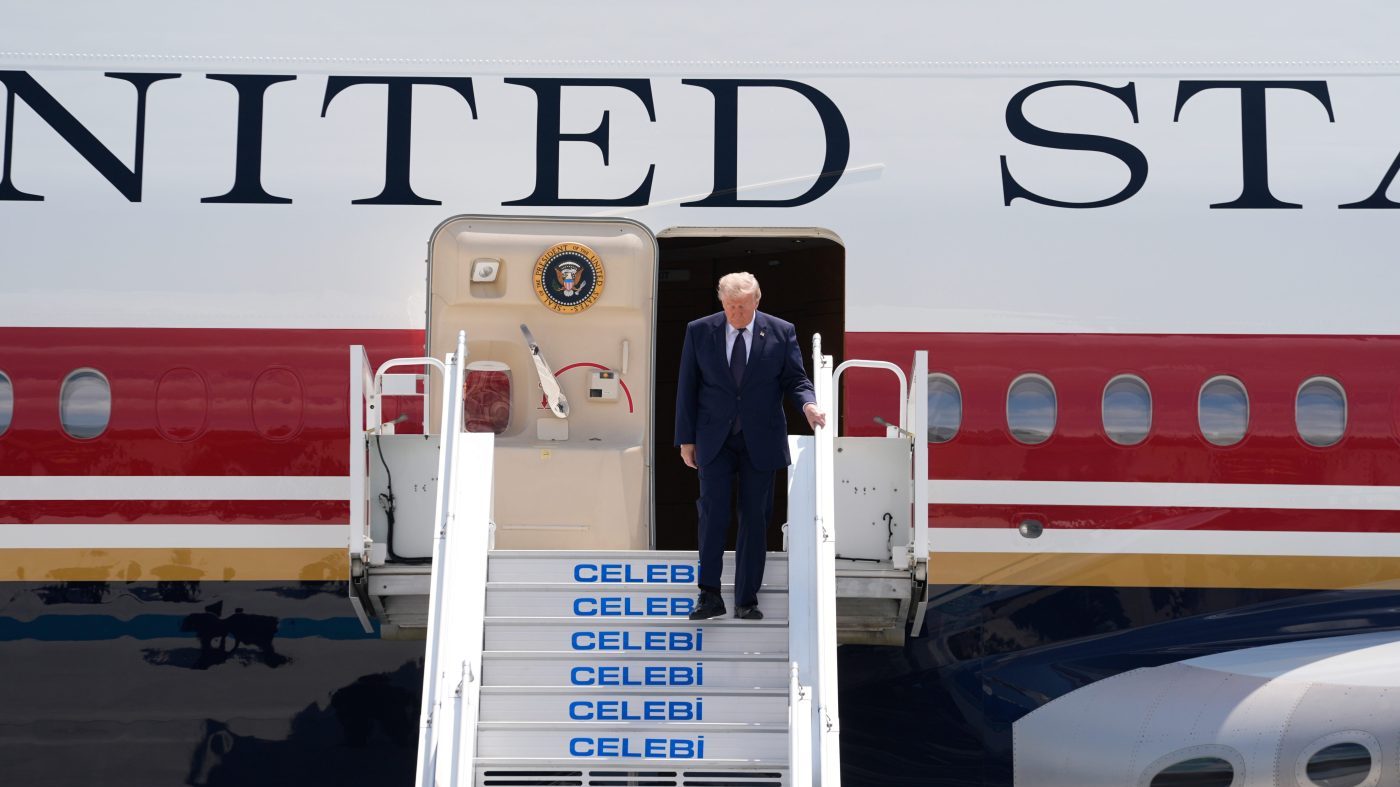
The article in question, published earlier this week, revealed that the refurbished Boeing 747-8, a gift from Qatar, lacked certain advanced security features present on the older presidential aircraft. The report also noted that security concerns forced Trump to use the old Air Force One for his trip to the NATO summit in Turkey, raising alarms about potential threats from Iran following new U.S. strikes on the Islamic Republic. The story has heightened scrutiny of the administration's handling of national security and its ties to Qatar, a topic of ongoing debate in Trump's threats of retaliation against Iran.
Before publication, a senior FBI official contacted the newspaper, asking it to withhold the story for national security reasons but declined to provide specific justifications. The Times proceeded with the report, prompting the DOJ's action.
David McCraw, the newspaper's attorney, issued a sharp condemnation, calling the subpoenas “an act of intimidation” and an assault on press freedom. “The appearance of federal law enforcement agents on the doorstep of news reporters should shock the conscience of any American who believes in the Constitution and the press freedom it protects,” McCraw said. He added that the journalists are simply “reporting the facts and advancing the American public's right to know how their government is operating and their taxpayer dollars are being used.” McCraw characterized the subpoenas as “a brazen attempt to prevent the public from knowing what is happening in their country by intimidating journalists from doing their jobs.”
Press advocacy groups quickly denounced the move. The National Press Club argued that the DOJ's action “threatens the public's constitutional right to an independent press” and called for the immediate withdrawal of the subpoenas. The Freedom of the Press Foundation (FPF) went further, calling the controversy an “embarrassment” for the administration. Seth Stern, FPF's advocacy chief, stated, “We've long said that when the government claims it needs to investigate journalists to protect national security, it really means its own reputational security.” He added that “the administration's embarrassment that it reportedly charged taxpayers hundreds of millions of dollars to retrofit a flying bribe that still isn't secure enough for hostile times does not supersede the need for a free and independent press.”
The subpoenas come amid broader tensions over press freedom and national security. The administration has repeatedly clashed with media outlets over reporting on sensitive issues, and this latest move is seen by critics as part of a pattern of targeting journalists. The development also underscores the volatile geopolitical climate, with the Trump administration's threats of massive retaliation over an Iran assassination plot adding to the stakes.
The New York Times has vowed to fight the subpoenas, and press freedom advocates are closely watching the case, which could set a precedent for how the government handles leaks and national security reporting.