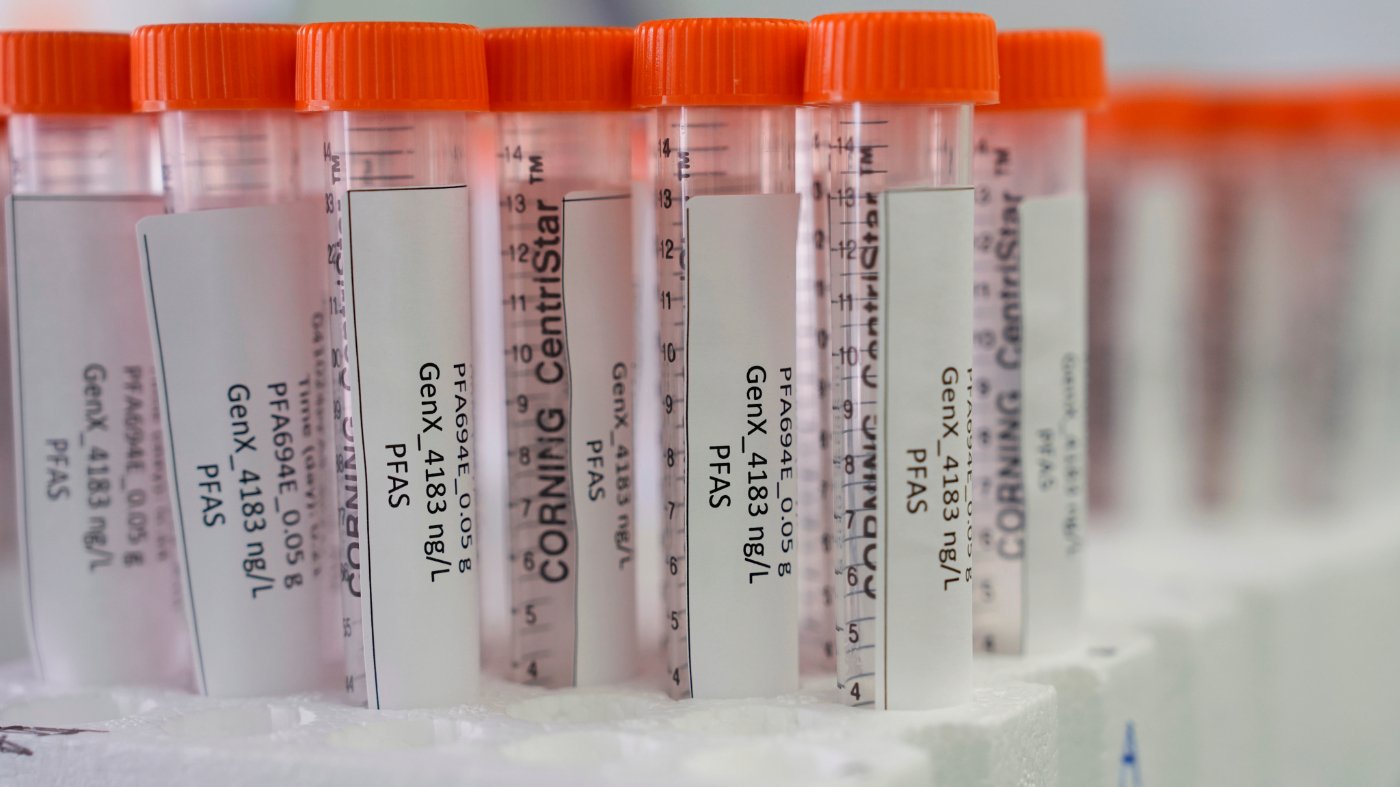
The Pentagon has quietly pushed back cleanup deadlines for toxic PFAS contamination at nearly 200 military sites across 42 states, Puerto Rico and Washington, D.C., by an average of a decade — and in some communities, by nearly two decades. Eleven contaminated military sites originally scheduled to reach cleanup milestones in 2025 have missed those targets, with new timelines stretching five to 19 years later. For families whose drinking water is already tainted, the message is clear: Your water, your pregnancy, your child’s health are acceptable losses.
This delay comes as a landmark study published in JAMA Network Open, drawing on the National Institutes of Health’s Environmental Influences on Child Health Outcomes (ECHO) cohort — one of the largest and most diverse pregnancy studies in the U.S. — found that pregnant women are exposed to dozens of everyday chemicals that can affect birth timing and infant weight. The study examined 10 classes of chemicals simultaneously and found widespread exposures with measurable harms. While it did not directly measure PFAS, prior ECHO research has documented that PFAS exposure during pregnancy is linked to reduced birthweight, preterm birth and impaired fetal growth.
The cumulative picture is unmistakable: The chemicals surrounding us during pregnancy matter, and they exact a toll on the next generation. Pregnant women are not exposed to one chemical at a time; they carry a burden of dozens simultaneously — from food packaging, personal care products, household goods and contaminated drinking water. PFAS from military sites arrive on top of everything else, and the government’s response is to push cleanup deadlines out another decade, cut environmental restoration budgets and loosen restrictions on the very chemicals causing harm.
This is not a failure of knowledge; it is a failure of will. Mindi F. Messmer, DMSc, MS, a senior research scientist and assistant professor at Georgetown University School of Medicine, who served on the Pease Restoration Advisory Board overseeing PFAS cleanup at the former Pease Air Force Base in New Hampshire, watched an institution with enormous resources and clear legal obligations find endless reasons to slow-walk cleanup, dispute findings and manage timelines to protect its budget rather than the people living downwind and downstream. She also notified the state of a pediatric cancer cluster on the New Hampshire seacoast in 2014, leading to some of the nation’s first PFAS drinking water standards. “The children in that cluster did not have the luxury of waiting for convenient timelines,” Messmer wrote.
As the Pentagon assessed the scale of the problem and its cost, it reduced funding to address it. The Government Accountability Office recently found that PFAS investigation and cleanup costs will exceed $9.3 billion, tripling prior estimates. Rather than meeting that obligation, the administration has proposed cutting Pentagon environmental restoration funding even as cleanup costs triple and timelines slip. The fiscal year 2026 National Defense Authorization Act, signed into law in December, extended the military’s authority to purchase and use PFAS firefighting foam through October, with broad exemptions that could allow indefinite use.
More than 723 military installations and surrounding communities are confirmed or potentially contaminated with PFAS. Blood tests in residents near bases show PFAS levels multiple times the national average. Farmers and ranchers have lost livelihoods. Veterans who served their country are now fighting a second battle — against the institution they served — just to get clean water. The ECHO study is a gift of scientific clarity in an era of manufactured confusion, tracking real pregnancies, measuring real exposures and finding real associations with preterm birth and reduced birth weight. These outcomes shape a child’s health for life and fall hardest on communities with the least power to push back, often those sitting in the shadow of a military installation that has never been fully held to account.
Every year of delay is a year of continued exposure. Families near Pease Air Force Base, Wurtsmith Air Base in Michigan, Cannon Air Force Base in New Mexico, Fort Indiantown Gap in Pennsylvania and Brunswick Naval Air Station in Maine know this firsthand. Science has done its job. The question now is whether the people we elect to protect us will do theirs. Congress must require enforceable cleanup timelines, with the funding to meet them, and stop treating the most vulnerable among us as an acceptable cost of doing business.
Meanwhile, as lawmakers procrastinate, other issues demand attention. For instance, Democratic lawmakers are demanding a probe after an ICE killing of a Houston immigrant, while global leaders send mixed messages on America’s 250th anniversary. But on PFAS, the stakes are clear: The health of mothers and newborns hangs in the balance.