
In a move that drew sharp condemnation from conservationists, the Trump administration on Friday scrapped a long-standing regulation that classified significant habitat alteration as prohibited harm to endangered species. The decision effectively removes a major obstacle for developers and energy projects, but critics warn it could push vulnerable wildlife closer to extinction.
What Changed
The repealed rule, part of the Endangered Species Act (ESA), had defined 'harm' to include any modification of a species' habitat that substantially impairs essential behaviors like breeding, feeding, or sheltering—to the point of injury or death. By eliminating that definition, the administration has narrowed the scope of what constitutes illegal harm, making it harder for regulators to block projects that degrade critical ecosystems.
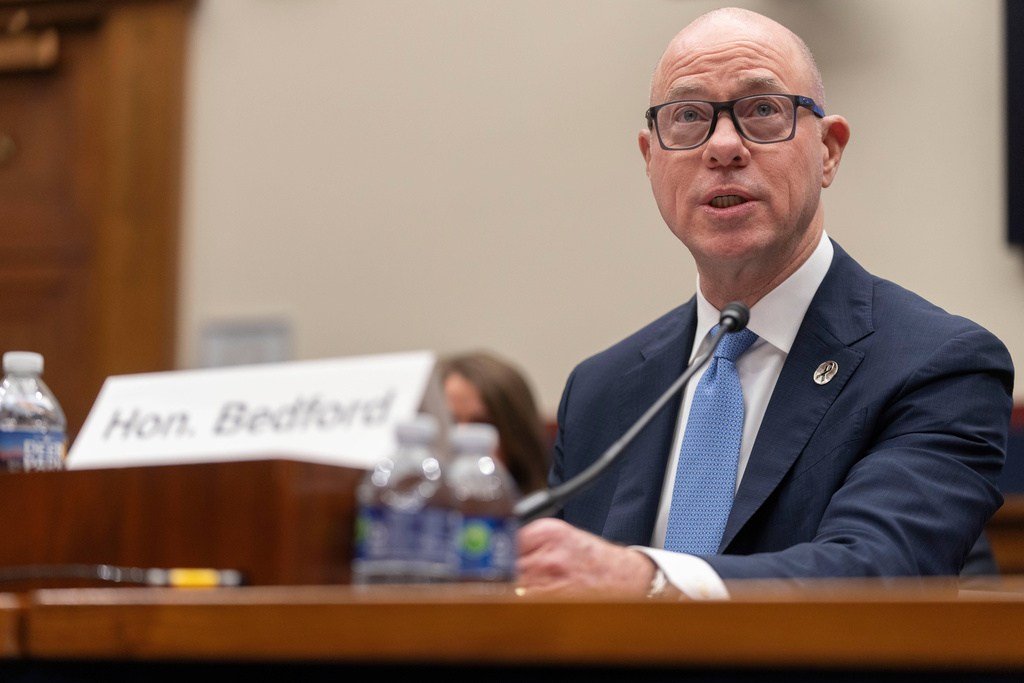
Interior Secretary Doug Burgum framed the rollback as a necessary correction to what he described as federal overreach. 'For years, federal agencies abused the ESA to obstruct lawful land use and burden American families and businesses,' Burgum said in a statement. 'That approach turned routine activity into a regulatory trap, drove up costs that impacted people’s lives, and expanded federal authority beyond what Congress intended.'
The administration argued the change would accelerate approvals for infrastructure, mining, and energy projects that had been stalled by what it called outdated restrictions. The move aligns with President Trump's broader push to deregulate industry, including recent efforts to block housing legislation and pressure Congress on other priorities.
Environmental Fallout
Environmental advocates immediately condemned the rollback, warning it would greenlight projects that destroy habitats for already imperiled species. 'What is at risk is truly harmful projects that will imperil species slipping through the cracks [and] being allowed to go forward,' said Kristen Boyles, an attorney with Earthjustice. She confirmed the group plans to sue the administration, setting up a legal battle over the ESA's scope.
The ESA has long been a flashpoint between industry and environmentalists. Supporters of the law argue it has been crucial in saving species like the bald eagle and gray wolf. Opponents contend it has been weaponized to block economic development. This latest action is the most significant ESA rollback under Trump, following earlier changes that weakened protections for threatened species and reduced critical habitat designations.
The timing of the announcement—amid shifts in NATO policy and ongoing trade disputes—underscores the administration's focus on domestic deregulation. But with legal challenges imminent, the fate of the new rule remains uncertain. Earthjustice and other groups are expected to argue that the repeal violates the ESA's mandate to conserve species and their habitats.
For now, the rollback takes effect immediately, though court orders could temporarily block it. The move is likely to reignite debate in Congress over the ESA's future, with some Republicans pushing for broader reforms and Democrats vowing to protect the law's core provisions. As the legal fight unfolds, the practical impact will depend on how aggressively federal agencies enforce the narrower definition of harm—and whether courts uphold the administration's interpretation.

