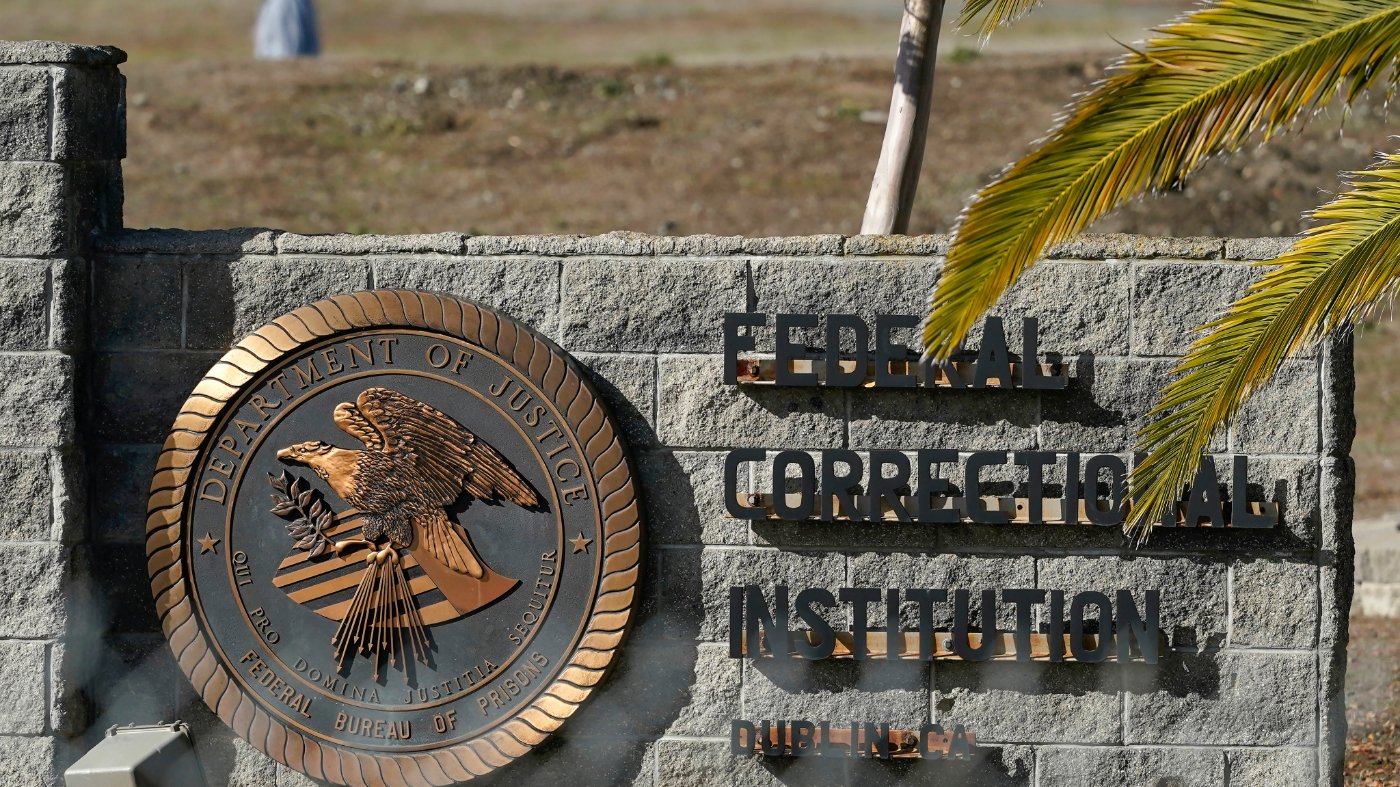
Here is some rare good news: Violent crime is falling across the United States, with murders on pace to hit their lowest level since 1900. Credit goes to police officers on the beat and the federal corrections staff who prepare inmates for reentry. But a proposed budget cut could jeopardize this progress, and if it passes, Americans will be less safe.
Once one of the worst-performing corrections systems in the nation, the Bureau of Prisons (BOP) has been turning things around. Director William Marshall III and Deputy Director Josh Smith have launched initiatives to stop contraband, increase security, and cut recidivism. Meanwhile, the One Big Beautiful Bill Act is funding billions in long-overdue facility repairs. The result has been a more effective federal prison system—and safer streets.
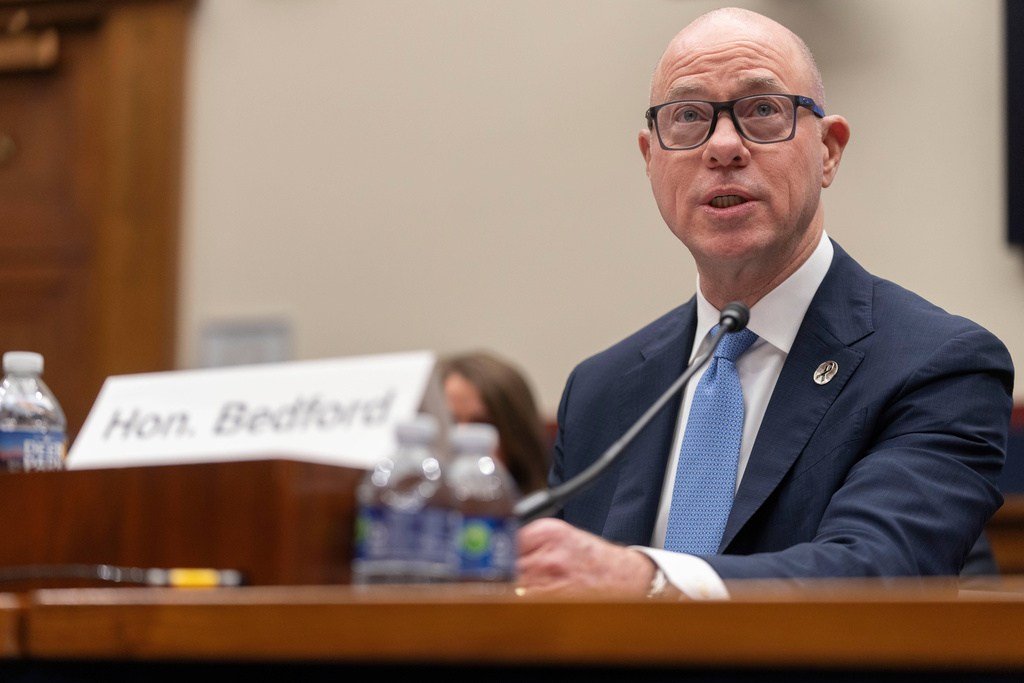
Yet some in Congress are pushing to slash the bureau’s budget to $293 million below 2025 levels and $422 million below President Trump’s request. Because most of that money goes to staff and operations, the cuts would hit hardest the front-line professionals who have helped make communities safer.
Officer recruitment and retention have long plagued the BOP. Pay is low, and the job is tough—the average life expectancy of a correctional officer is just 59, largely due to stress. According to the American Federation of Government Employees, the federal corrections officer corps is down by 40 percent from its peak of 20,000 a decade ago. With a vacancy rate of 24 percent, the bureau faces a staffing crisis.
Immigration and Customs Enforcement is offering signing bonuses up to $50,000, luring away current or would-be corrections officers. This worsens the recruitment and retention challenges. As more people leave, mandatory overtime has increased by 43 percent, leading to burnout and even greater shortages. A budget cut would intensify this vicious cycle, making public safety a casualty.
Ironically, many of the same proponents in Congress have called for the bureau to raise salaries and retention incentives. The agency already has the authority to do so, but without funding, that authority is meaningless.
The consequences extend beyond prison walls. Ninety-seven percent of those behind bars will eventually return to their communities. That’s why rehabilitation is core to the BOP’s mission—effective rehabilitation ensures they return as productive citizens, not repeat offenders. Every instance of reoffending means another victim, another court case, and likely another expensive prison cell. Reducing recidivism is one of the most cost-effective ways to protect communities.
Historically, the bureau has lagged behind other corrections systems. A 2018 Justice Department report found that 68 percent of federal prisoners were rearrested within three years of release. In contrast, state systems like Virginia’s (19 percent) and Oklahoma’s (under 20 percent) show better rates are possible. To address this, President Trump signed the First Step Act in 2018, requiring the BOP to prioritize recidivism reduction. It expanded proven programs like drug and alcohol treatment, job training, and mental health care. The result: the bureau’s general recidivism rate has fallen to 45 percent, and for those who participated in First Step Act programming, it dropped to 10 percent.
But corrections officers are crucial to this work. When staffing shortages force wardens to choose between security and rehabilitation, security wins and programs get suspended. A budget cut will mean more staff losses, stalling recidivism reduction and increasing crime down the road.
Fiscal discipline is necessary in an era of trillion-dollar deficits. But cutting the BOP’s budget is not the place to start. It will accelerate staffing crises and undercut crime control. President Trump appointed leaders who’ve rejected the status quo and brought a new vision for improving corrections. Now Congress must ensure they have the resources to make that vision a reality.

