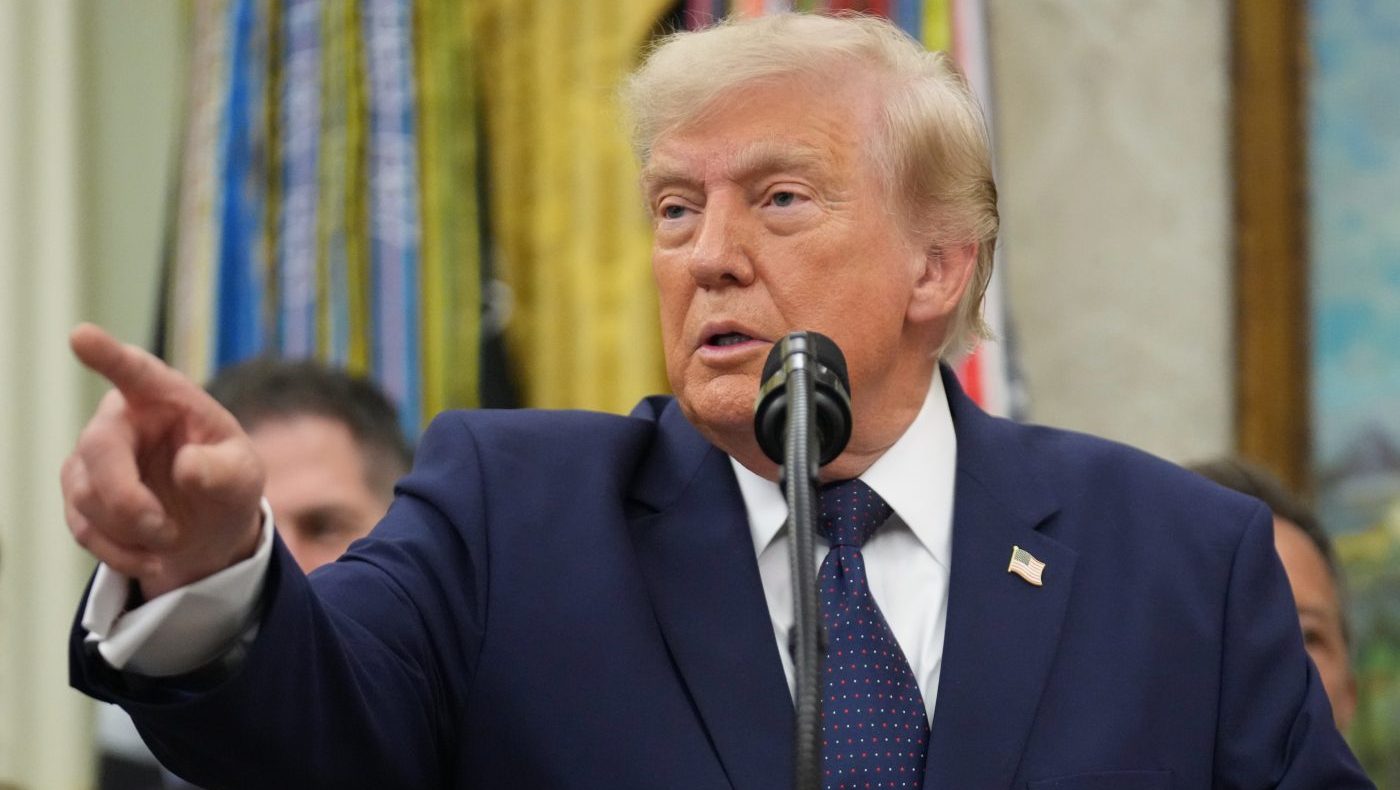
President Trump on Thursday removed the two remaining Democratic members of the independent Election Assistance Commission (EAC), a move that further consolidates his control over federal election oversight. The White House confirmed the firings to The Hill, marking a dramatic escalation in the administration's push to reshape the agency ahead of the midterm elections.
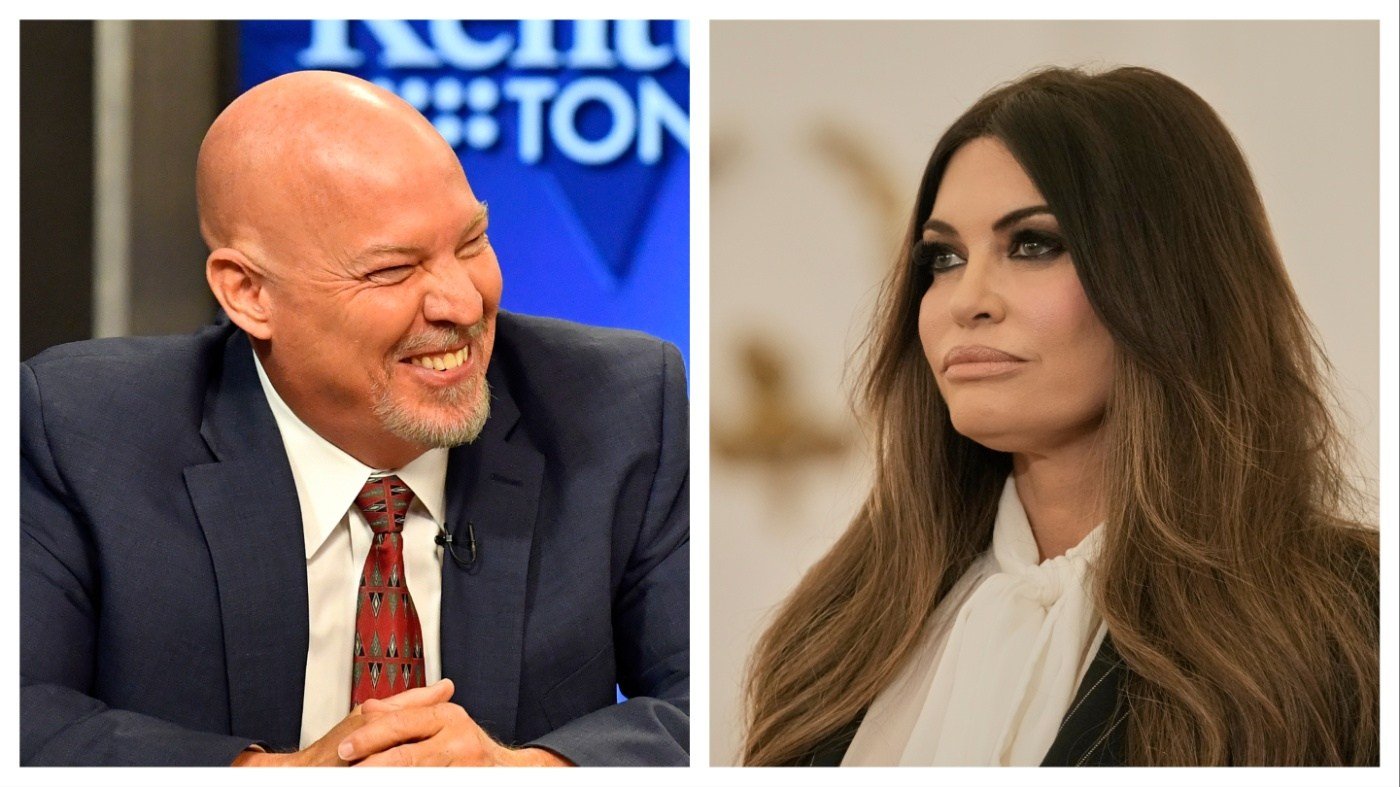
The president dismissed commissioners Benjamin Hovland and Thomas Hicks, both Democrats, while Republican commissioner Christy McCormick resigned. The EAC, established by the Help America Vote Act of 2002, is tasked with administering federal election funds and setting voluntary voting system guidelines. With these departures, the commission's composition shifts entirely to Trump appointees, raising concerns about its independence.

A White House official defended the firings, stating, “The President, and head of the Executive Branch, reserves the right to remove individuals that may not be totally aligned with the important task of securing America’s elections and ensuring every legal vote is counted.” The official pointed to the Supreme Court’s recent decision in Slaughter v. Trump, which affirmed the president’s authority to remove members of the Federal Trade Commission, as legal precedent for the action.
“The Slaughter decision gives the President precedence to do so,” the official said, referencing the June ruling that expanded executive removal power over independent agencies. The administration has argued that the same logic applies to the EAC, though legal experts are divided on whether the commission’s statutory protections against removal will hold up in court.
The firings come amid a broader effort by the White House to tighten election security measures. “The Administration from the start has been working across all agencies and local partners to safeguard elections from fraud and abuse, and investing in a strong infrastructure to sustain that mission especially in the midterm elections,” the official added. Critics, however, view the move as a partisan power grab that undermines the commission’s nonpartisan mandate.
Senate Minority Leader Chuck Schumer quickly condemned the action, accusing Trump of a “brazen power grab” and vowing to challenge it. Schumer’s remarks echoed broader Democratic concerns that the firings are part of a pattern of executive overreach, particularly in areas related to election integrity. The controversy is likely to intensify as the midterm campaign season heats up, with both parties jockeying for control of Congress.
This development also adds to the simmering tensions within the GOP, as the shadow of Trump looms over the 2028 primary landscape. Some Republican lawmakers have already begun to position themselves for a post-Trump era, but the president’s aggressive use of executive power continues to dominate the party’s agenda.
Legal challenges to the firings are expected, with voting rights groups and Democratic state attorneys general likely to argue that the EAC’s structure requires cause-based removal protections. The outcome could set a significant precedent for the independence of federal election oversight bodies.