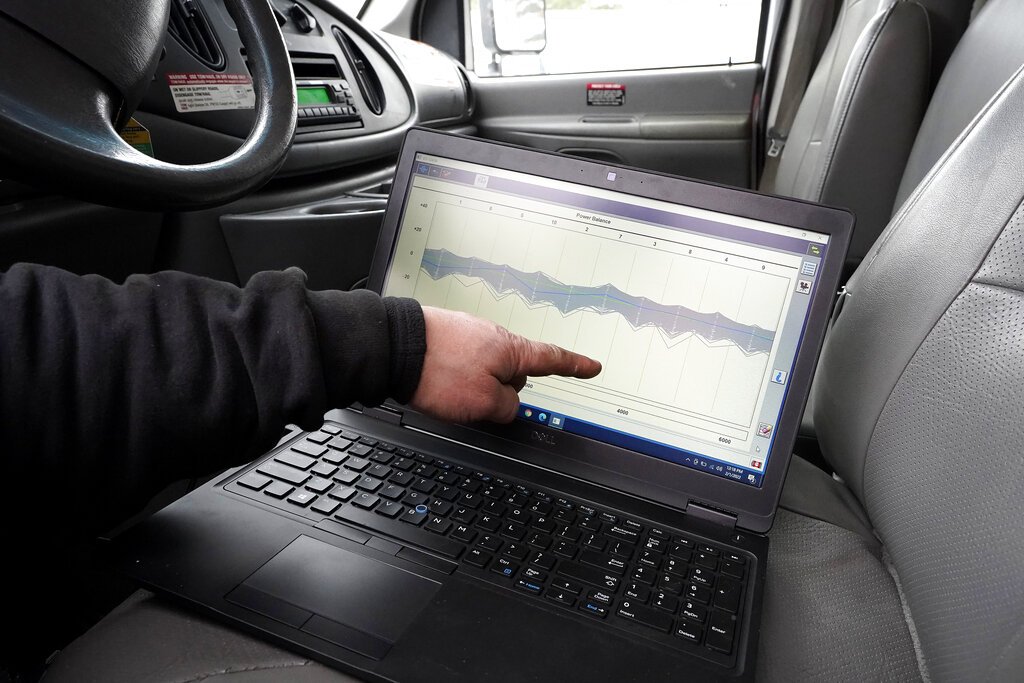
For millions of Americans, a working car isn't a luxury—it's a lifeline to jobs, schools, and daily errands. But as vehicle prices climb and repair options narrow, that lifeline is fraying. A bipartisan bill in Congress, the REPAIR Act, aims to tear down the barriers that force consumers into pricey dealership repairs.
Introduced by Rep. Neal Dunn (R-Fla.), the legislation would mandate that automakers share service information, diagnostics, software updates, parts, and specialized tools with independent repair shops and dealers. Currently, manufacturers often restrict access to these resources, locking independent mechanics out of modern repairs on increasingly software-dependent vehicles. That stranglehold drives up costs for consumers who lack alternatives.
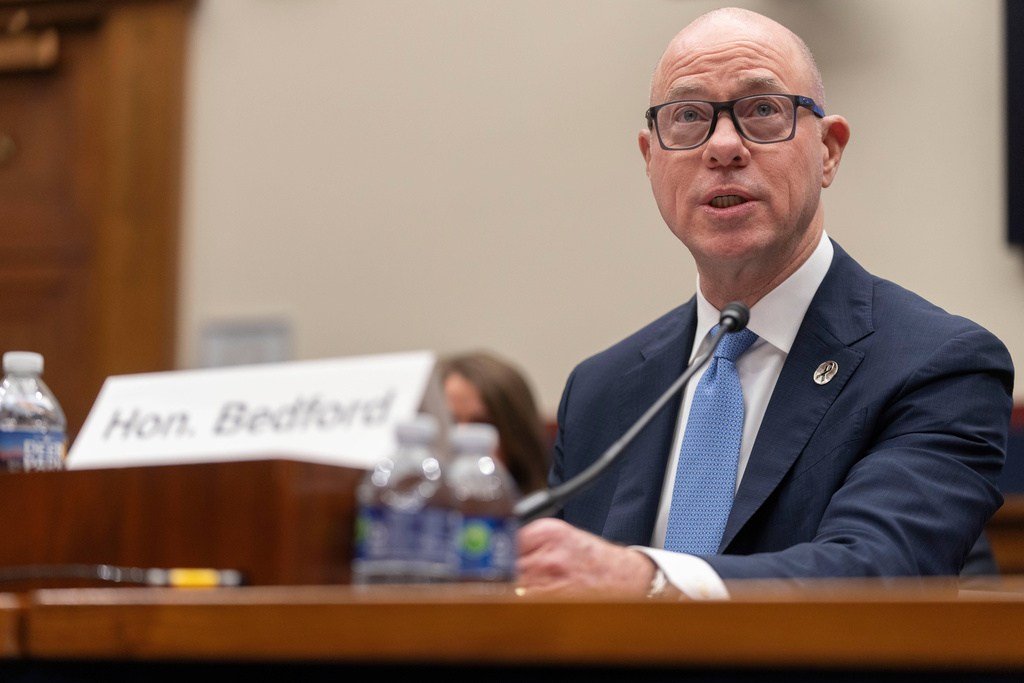
Don Griffin, chairman of the National Independent Automobile Dealers Association and co-founder of CarHop Auto Sales, argues the bill is about fairness and affordability. “Independent dealers are a critical part of America’s transportation ecosystem,” he said in a statement. “Each year, we inspect, repair and recondition millions of used vehicles before returning them to the road — work that’s essential to both safety and affordability.” But that work, he added, hinges on access to the same tools and data that franchised dealers enjoy.
Modern vehicles rely on sophisticated software and interconnected electronics, making repairs increasingly dependent on manufacturer-controlled diagnostic systems. When those systems are gated, independent shops face delays, higher costs, or outright inability to fix cars. Those costs inevitably land on consumers already squeezed by record-high new vehicle prices. The used market has become the primary path to ownership for working Americans, and the REPAIR Act seeks to protect that path.
The bill explicitly exempts manufacturers from disclosing trade secrets or compromising vehicle cybersecurity, a nod to industry concerns. But its core principle is simple: let consumers, not automakers, decide where their car gets fixed. The Biden administration has signaled support for this approach, and backers are pressing Congress to follow through.
Some stakeholders have resisted the change, arguing that closed repair networks protect proprietary technology and safety. Griffin counters that competition produces better outcomes. “When consumers have real repair choices, prices come down,” he said. “When independent dealers and repair shops can recondition vehicles efficiently with affordable parts and accurate repair data, they get vehicles back on the road faster and pass the savings on to customers.”
The biggest beneficiaries, he stressed, won't be the independent shops themselves. “They’ll be the millions of Americans who depend on affordable transportation to support their families and build their futures.” The debate echoes broader tensions in the tech and automotive sectors, as seen in bipartisan calls for federal action on AI election risks and other cross-party efforts to rein in corporate control over essential services.
Griffin framed the issue as a matter of principle: “Keeping cars on the road shouldn’t depend on who controls the repair information. It should depend on who delivers safe, high-quality service at the best price.” With the bill gaining bipartisan momentum, the question is whether Congress will act before the next repair bill lands in a frustrated driver’s mailbox.

