A bipartisan coalition of senators announced Friday that they have brokered an agreement with the Trump administration to advance legislation imposing stiff sanctions on Russia, breaking a year-long logjam in Congress.
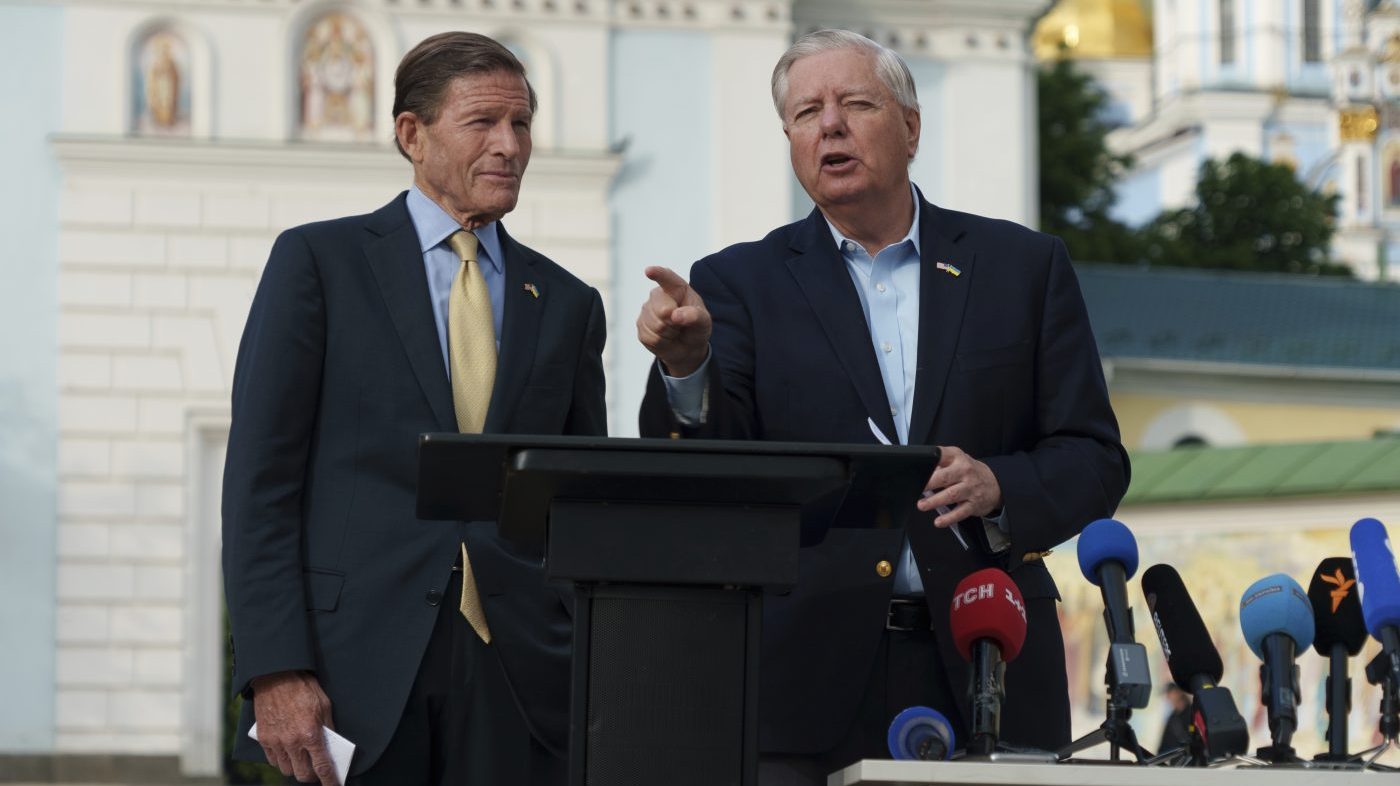
Senators Lindsey Graham (R-S.C.), Richard Blumenthal (D-Conn.), Jeanne Shaheen (D-N.H.), and Roger Wicker (R-Miss.) released a joint statement declaring they had reached a deal to move the updated Russia sanctions bill forward. “We are very pleased with this significant progress and expect to roll out the legislation very soon,” they said.
The lawmakers framed the bill as a direct response to Russia’s ongoing military aggression in Ukraine. “As Russia intensifies its slaughter of civilians, it is imperative that the legislative and executive branches work together to create tools to exact a heavy price on those who buy Russian oil and natural gas, fueling the Putin war machine,” the statement added.
The specific changes that brought the White House and senators into alignment remain unclear. A previous attempt to advance the bill in December was blocked by Democrats who opposed provisions granting the president tariff authority while a related Supreme Court case was pending.
Background of the Sanctioning Russia Act
The Sanctioning Russia Act, first introduced in 2025 by Graham and Blumenthal, would impose a 500 percent tariff on countries that purchase Russian petroleum and uranium, as well as a 500 percent tariff on Russian goods imported into the United States—though the direct impact of that measure is limited given the small volume of such imports.
The legislation initially garnered a veto-proof majority in the Senate, but Majority Leader John Thune (R-S.D.) shelved it to give President Trump room to negotiate an end to the war in Ukraine. Pressure to bring the bill to the floor fluctuated as Trump oscillated between claiming progress with Russian President Vladimir Putin and expressing frustration over the Kremlin’s refusal to halt hostilities.
In December, sponsors tried to move the bill amid reports that Trump’s negotiators were pushing a 28-point peace plan criticized as tilted in Moscow’s favor, but Democrats blocked the effort. House Democrats, meanwhile, passed their own legislation in June authorizing additional military support for Ukraine and new sanctions on Russia, with six Republicans and one independent crossing party lines. That bill stalled in the Senate as the bipartisan sanctions package was being refined.
Renewed Momentum and Trump’s Shift
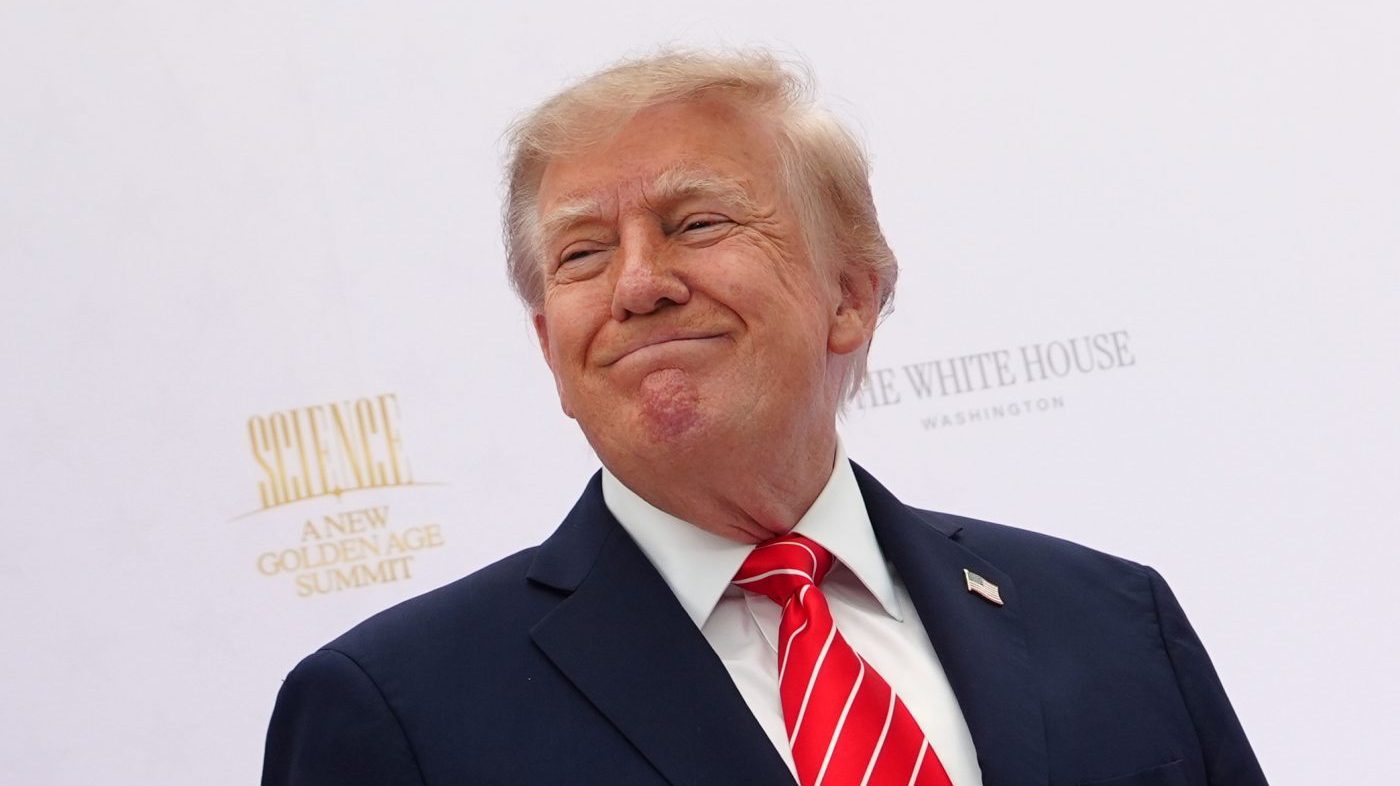
The revived push for the Graham-Blumenthal bill comes as Trump appears to be aligning more closely with Ukraine. At the NATO Summit earlier this week, Trump sat alongside Ukrainian President Volodymyr Zelensky and announced that the U.S. would allow Ukraine to co-produce critical air defense interceptors and sign a drone deal with Kyiv. The meeting marked a significant thaw in relations after their contentious Oval Office encounter in February 2025. “We’ve actually developed a good relationship,” Trump said next to Zelensky. “It’s hard to believe, right? From the Oval Office to now, I think we’ve developed a very good relationship.”
This shift in tone has bolstered bipartisan efforts to reinforce support for Ukraine at a moment when Moscow is under mounting military and economic strain. The sanctions bill is seen as a key tool to maintain pressure on Russia while signaling continued U.S. commitment to Kyiv.
The agreement also comes amid broader political maneuvering. For context, Trump has recently refused to sign a housing bill, demanding the Senate instead pass the SAVE America Act, and Senate Democrats are demanding a probe into Trump’s billion-dollar crypto windfall. These parallel developments underscore the complex legislative landscape the sanctions bill must navigate.