The Afghan national charged with ambushing and killing a National Guard member in Washington, D.C., last year has been hospitalized after refusing food for an extended period, federal court filings show. Prosecutors moved Thursday to obtain limited access to his medical records, citing life-threatening deterioration.
Rahmanullah Lakanwal, 20, was taken to a hospital for treatment described as “necessary to preserve his life,” according to Assistant U.S. Attorney Jocelyn Ballantine. She told U.S. District Judge Amit Mehta that U.S. Marshals had flagged concerns about Lakanwal’s condition last month, noting his refusal to consume adequate nutrition and the resulting physical and physiological changes that put him at risk for long-term health consequences, including death.
During an emergency hearing Thursday, Mehta characterized Lakanwal’s health decline as “in some sense self-inflicted,” stemming from his refusal to eat and sometimes drink water. The judge granted prosecutors access to records covering the past 24 hours and for the duration of his current hospitalization, including treatment and diagnostic details.
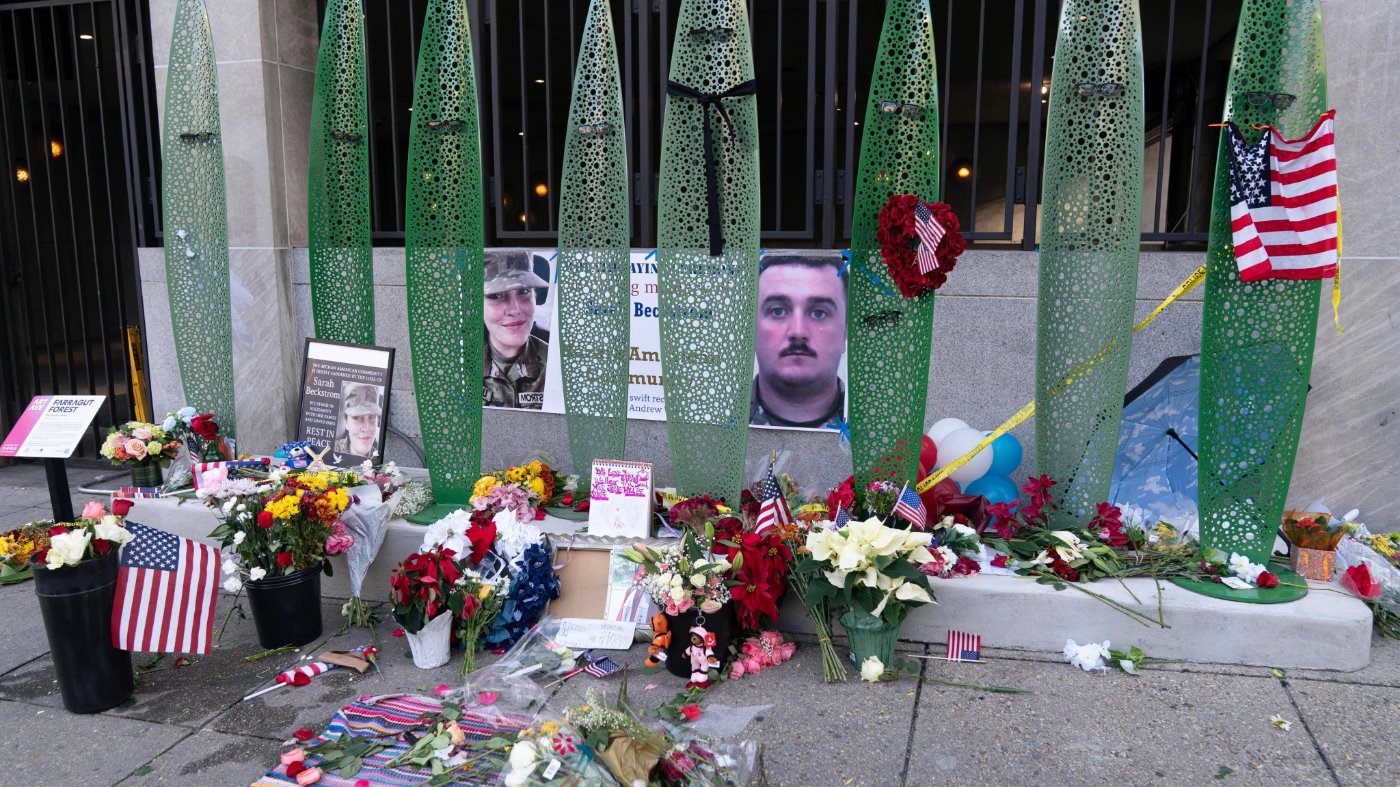
Lakanwal is accused of killing U.S. Army Spc. Sarah Beckstrom, 20, and wounding U.S. Air Force Staff Sgt. Andrew Wolfe during a Thanksgiving ambush near the Farragut North Metro Station last November. Both were members of the West Virginia National Guard on patrol in the capital. Wolfe’s mother posted on Facebook in mid-March that her son was “doing well” but faced skull reconstructive surgery in the near future.
Prosecutors allege Lakanwal traveled from Washington state to Washington, D.C., ahead of what they called a “targeted” attack. He was shot and subdued by nearby National Guard members before being taken into custody. During his most recent court appearance in June, he appeared in a wheelchair.
Lakanwal has pleaded not guilty to nine new charges in a superseding indictment, bringing the total to 17. Several counts carry potential death penalty sentences, though federal prosecutors have not yet indicated whether they will seek capital punishment. The case has drawn attention to broader issues of domestic security and the treatment of defendants in federal custody, echoing debates seen in other high-profile incidents, such as the family of a Memphis man killed by National Guard demanding body camera footage.
The judge’s swift intervention highlights the delicate balance between a defendant’s rights and the state’s interest in preserving life pending trial. Similar questions about health transparency have surfaced in political circles, as seen in the debate over lawmaker health disclosures sparked by recent absences of Senate leaders.
Lakanwal’s next court appearance has not been scheduled. The Justice Department continues to build its case, while defense attorneys have not publicly commented on his health or the hunger strike.