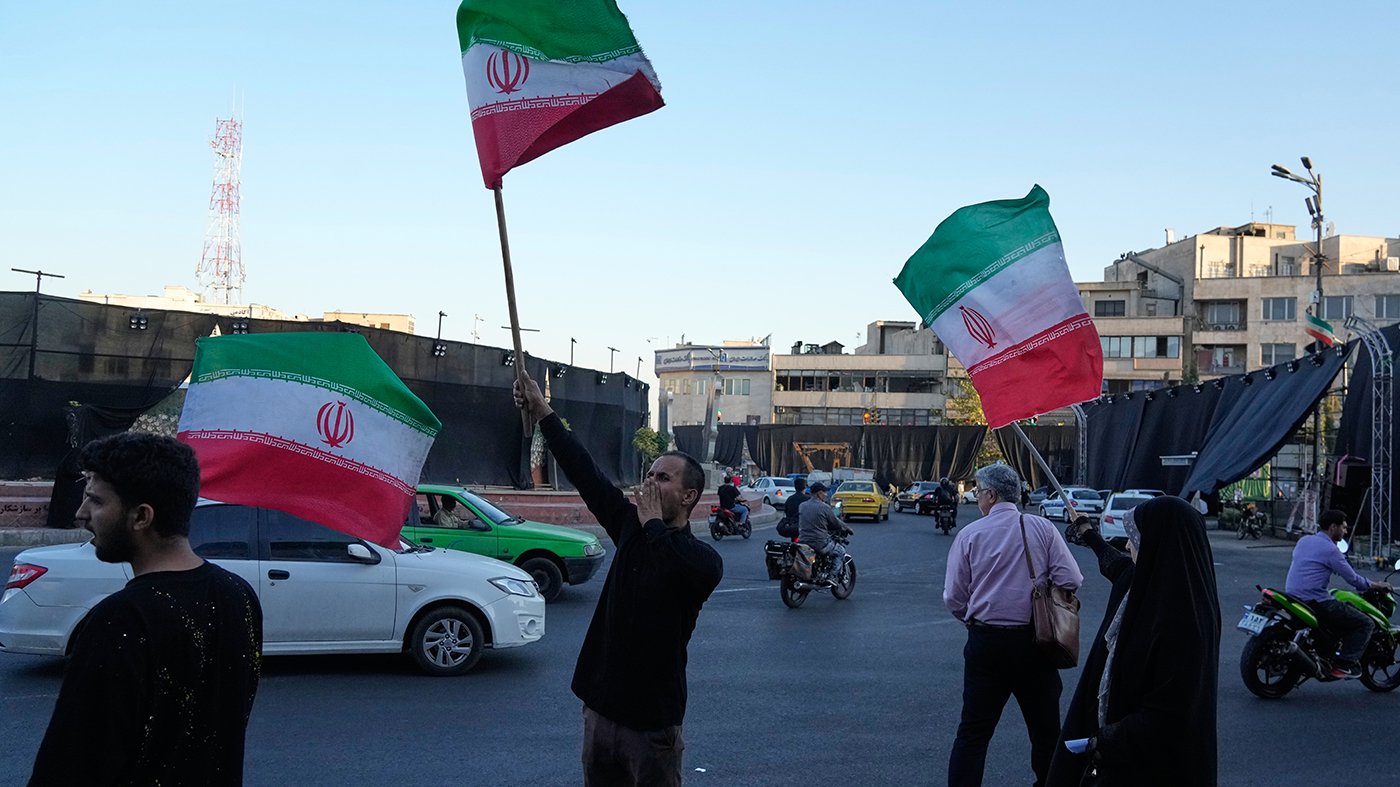
The unraveling of President Trump's short-lived peace agreement with Iran is throwing Congress's legislative schedule into turmoil, as Republican leaders face mounting obstacles in their push to pass a defense authorization bill and an emergency supplemental defense spending package. The renewed threat of U.S. airstrikes has reignited partisan tensions and exposed deep fractures within the GOP over the conflict.
Republican Defections Loom
Trump managed to temporarily calm growing Republican dissent during a heated meeting with GOP senators just before the July 4 recess, but his decision to walk away from the memorandum of understanding with Iran could spark fresh pushback from lawmakers wary of an endless war. The president's declaration that the ceasefire was "over" was quickly followed by U.S. Central Command announcing additional strikes against Iranian targets, escalating a conflict that has already driven up gas prices by $1.50 since late February.

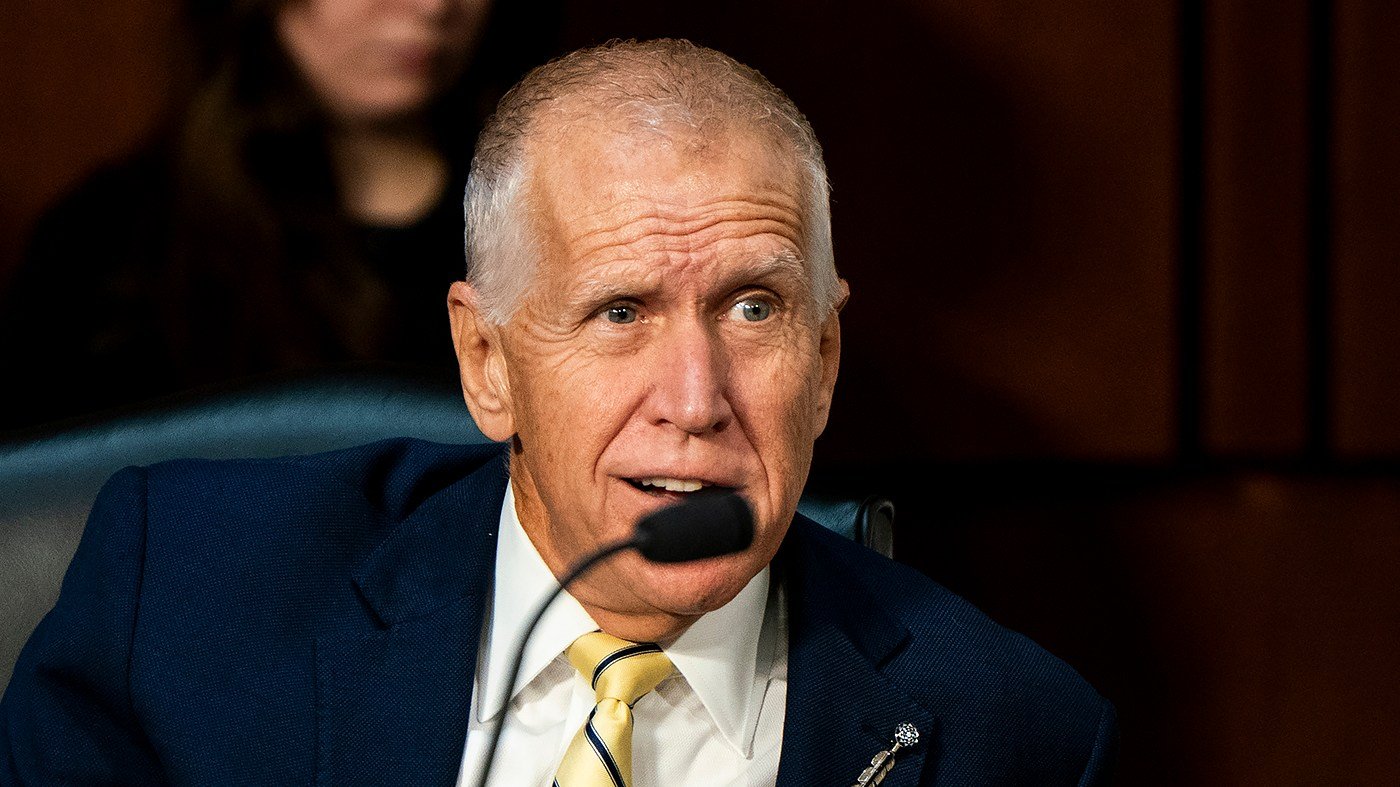
Democratic lawmakers are now discussing plans to force additional votes on Iran war powers resolutions aimed at directing Trump to withdraw U.S. forces. While details of their strategy for the July work period remain unclear, one Democratic strategist predicted the coming months will be dominated by partisan battles over the war, which opinion polls show is deeply unpopular with voters. "The rest of the year is going to be spent on these issues that unite the Democratic Party and divide the Republican Party," the source said. "It's going to make John Thune's life very difficult."
War Powers Votes Gain Momentum
Earlier this year, some GOP senators voted against resolutions to end the war, citing Trump's ceasefire as a reason. But as U.S. strikes resume and the Strait of Hormuz crisis deepens, those same lawmakers may now reconsider. Sen. Josh Hawley (R-Mo.), a conservative who has consistently opposed such measures, previously pointed to Trump's peace efforts as justification for his votes. Now, Hawley and other Republicans are demanding a swift end to the conflict, which has also sent fuel prices soaring.
The renewed hostilities are creating significant problems for the National Defense Authorization Act, scheduled for floor debate next week, as well as the Pentagon's $67.1 billion emergency spending request. A Democratic aide warned that funneling tens of billions of dollars into an unauthorized war would be a "tough sell" for their caucus. Sen. Jack Reed (D-R.I.), ranking member of the Senate Armed Services Committee, has already stated Democrats will not support an emergency supplemental without congressional authorization. "Until they authorize this conflict, I don't think we should subsidize it," Reed said last month.
Military Options and Political Fallout
Danielle Pletka, a distinguished senior fellow at the American Enterprise Institute, noted that Trump has had a military plan on his desk for months—a 10- to 14-day operation that CENTCOM believes could force Iran to reopen the Strait of Hormuz without major concessions. The plan would target remaining missile sites, defense infrastructure, nuclear facilities, and key Revolutionary Guard positions. "Will it take 10 to 14 days? Who knows? Is the president going to follow that plan? Who knows?" Pletka said. So far, Trump has resisted a full-scale resumption of strikes that would roil markets and push oil prices higher.
A major escalation could spur more Republicans to vote against the war in both chambers. A senior Senate Democratic aide said the party will discuss bringing up additional war powers resolutions to force a vote on ending hostilities. Trump recently clashed with four GOP senators who voted for a non-binding House resolution demanding withdrawal, including a shouting match with Sen. Bill Cassidy (R-La.) over whether the administration has kept Congress informed.
Spending Fight Intensifies
Republican senators acknowledge that even securing 50 GOP votes for the emergency defense supplemental will be difficult, potentially requiring budget reconciliation to bypass a Democratic filibuster. "I think the supplemental is in big trouble," said a Republican senator who requested anonymity. Majority Leader Thune prefers moving the funding through regular appropriations rather than a third reconciliation package, which would consume weeks of floor time. However, the bill remains in limbo until Sen. Mitch McConnell (R-Ky.), chairman of the Senate Defense Appropriations Subcommittee, returns from hospitalization. His staff has provided few updates on his condition.
Meanwhile, Democrats face pressure from their progressive base, which has shown increasing strength in recent primaries, to oppose additional defense spending outright. As oil surges following the end of the ceasefire, the political stakes are rising for both parties. With the general election approaching, the war in Iran is set to dominate the congressional agenda, testing party unity and the limits of executive power.