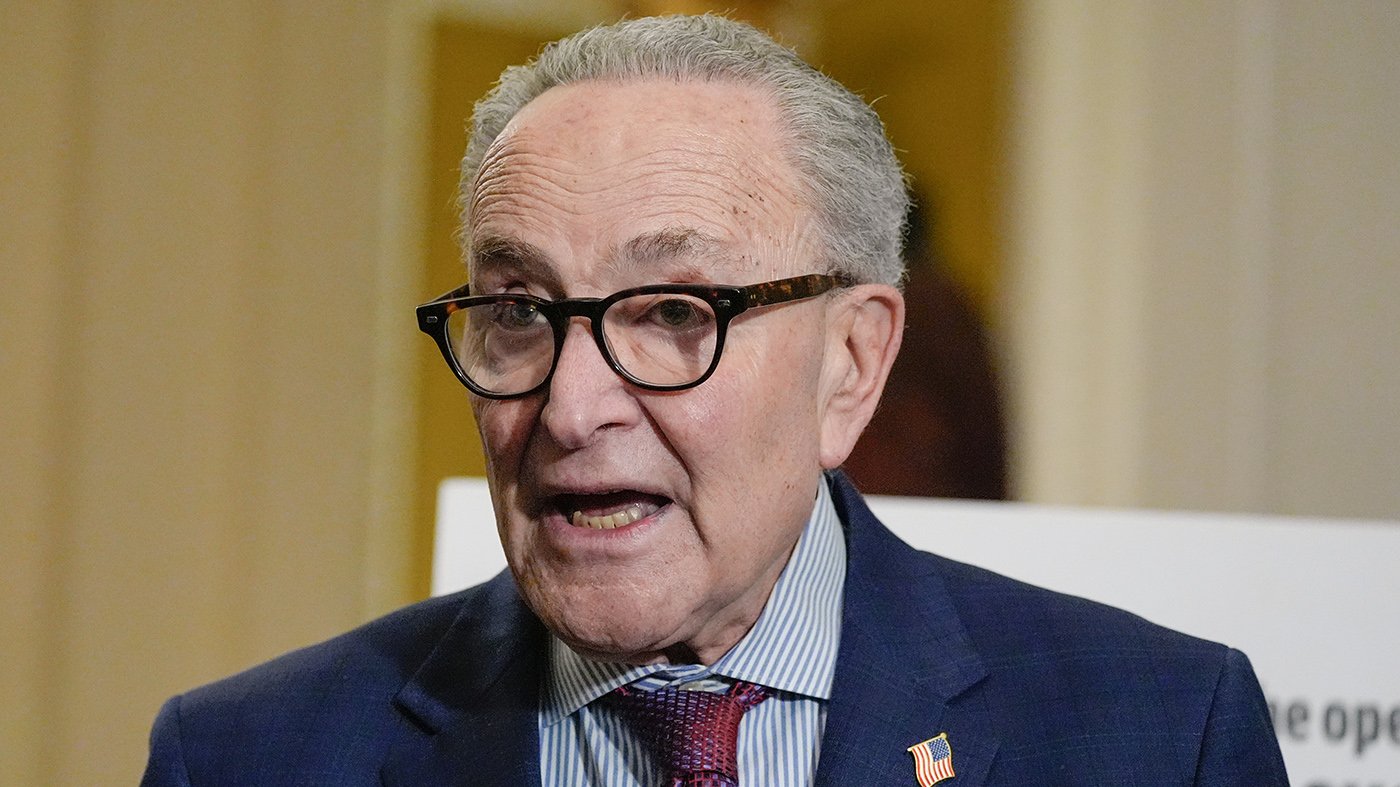
Senate Democratic Leader Chuck Schumer (N.Y.) on Wednesday excoriated President Trump's now-defunct peace initiative with Iran, labeling it a “total, utter disaster” and accusing the administration of waging an illegal war with no clear strategy or endpoint.
The blistering statement came hours after Trump declared the memorandum of understanding (MOU) aimed at halting hostilities and reopening the Strait of Hormuz effectively dead. “I think it's over. I don't want a deal with them anymore. They're scum,” Trump told reporters at the NATO summit in Ankara, Turkey.
The collapse of the 60-day ceasefire has rattled global markets. Stock indices tumbled and crude oil surged past $75 a barrel, extending a rally that has squeezed American consumers. The price spike is the latest consequence of a conflict that began on February 28 and has already cost billions in military operations.
Schumer did not mince words. “This is what happens when an incompetent president launches a war with no objective, no plan, and no exit strategy — you lose,” he said. “The American people are paying the price for Trump's total failure in Iran. Our troops are back in harm's way and high gas costs are continuing to punish working families.”
The senator demanded a course correction, urging the administration to “double down on serious negotiations, come to Congress, comply with the majorities in both chambers who voted to end this war, and deliver the relief American families desperately need.” He argued the conflict was “illegal, ill-advised, and irresponsible from the start.”
Just last month, the Trump administration requested $67.1 billion in emergency defense spending to replenish weapons and munitions consumed during the four-month campaign. That request now faces fresh scrutiny as lawmakers question the strategic rationale behind the operation.
In a related development, oil prices hit $78 a barrel as Trump scrapped the ceasefire and blasted Tehran, underscoring the economic toll of the diplomatic breakdown. The administration has also threatened renewed strikes and warned of a potential return to a naval blockade in the region.
The failed deal adds to a growing list of foreign policy reversals under Trump, including his controversial push to delist Syria as a state sponsor of terrorism and renewed tensions with NATO allies over Greenland. Critics argue the Iran fiasco mirrors a pattern of unilateral action without congressional oversight or allied consultation.