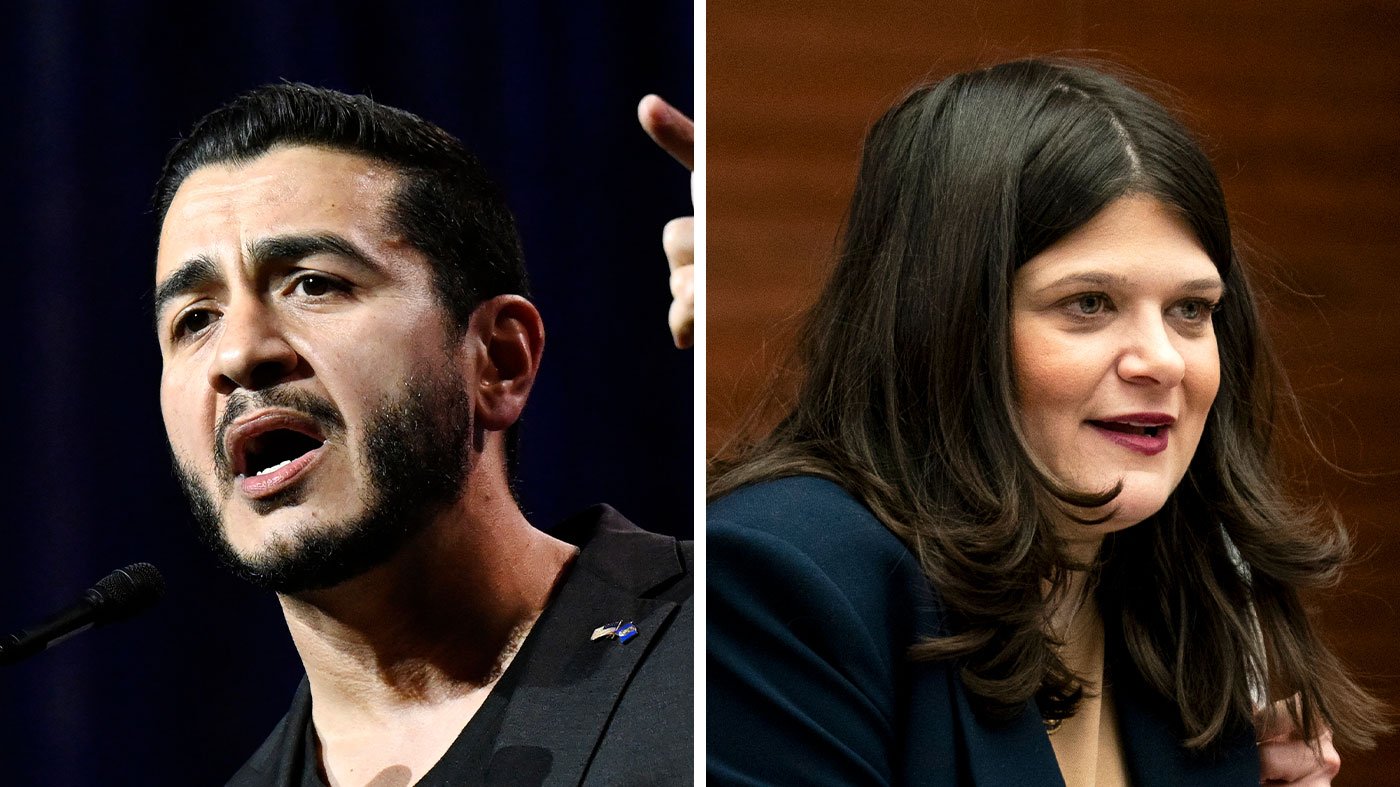
A fresh survey from Politico indicates the Michigan Democratic Senate primary has become a nail-biter following state Sen. Mallory McMorrow's decision to suspend her campaign on Sunday. The poll, conducted by Tavern Research on Monday and Tuesday, found moderate Rep. Haley Stevens with 42 percent support and progressive former Wayne County health director Abdul El-Sayed at 41 percent. Nearly one in five respondents remained undecided, and the margin of error stands at 2.5 percentage points.
McMorrow had positioned herself as a centrist alternative between Stevens and El-Sayed, but low poll numbers forced her out of the race. In her withdrawal announcement, the Michigan Senate majority whip declined to endorse either remaining candidate, leaving the field to a direct showdown between the two Democrats.
When all three were included in the survey, El-Sayed held a 3-point lead over Stevens, 41 percent to 38 percent, with McMorrow drawing 5 percent and 16 percent unsure. The numbers underscore the fluidity of the contest as voters weigh their options ahead of the August 4 primary.
Just a day after McMorrow's exit, Stevens and El-Sayed faced off in their first debate, hosted by Nexstar's WOOD TV8 in Grand Rapids. The two clashed sharply over outside spending and U.S. policy toward Israel, reflecting broader divisions within the Democratic Party.
El-Sayed accused Stevens of being beholden to corporate interests, pointing to the flood of advertisements backing her campaign. “In this race, you've probably seen ad after ad after ad,” he said. “Not one of those ads was brought to you by the congresswoman's campaign. All of them brought to you by corporate PACs and [the American Israel Public Affairs Committee] trying to buy a politician who's going to do their bidding instead of yours.”
Stevens fired back by casting herself as a dedicated public servant, contrasting her record with El-Sayed's media ventures. “I am not trying to sell a book or a podcast,” she declared. “I'm the only one on this stage who doesn't have a talent agent trying to pitch me for paid speeches, and unlike my opponent, I'm not running at the first mic or camera I see.” El-Sayed has authored three books and previously hosted the podcast “America Dissected,” which explored health, policy, and politics.
The debate also highlighted their differences on foreign policy. Stevens has supported Israel but recently criticized Prime Minister Benjamin Netanyahu, while El-Sayed has called for an end to U.S. financing of Israeli weaponry. This rift mirrors the broader debate within the party over the Israel-Hamas war and has drawn national attention to the race.
McMorrow has pledged to back the primary winner in the general election against the likely Republican nominee, former Rep. Mike Rogers. Early voting in the primary runs from July 25 to August 2, giving candidates just weeks to consolidate support. The outcome could have implications beyond Michigan, as the race is seen as a bellwether for the party's internal struggles between moderates and progressives.
For more on the dynamics of this race, see our coverage of the Stevens-El-Sayed debate on Israel and corporate money and how similar factional rifts are playing out in other states.