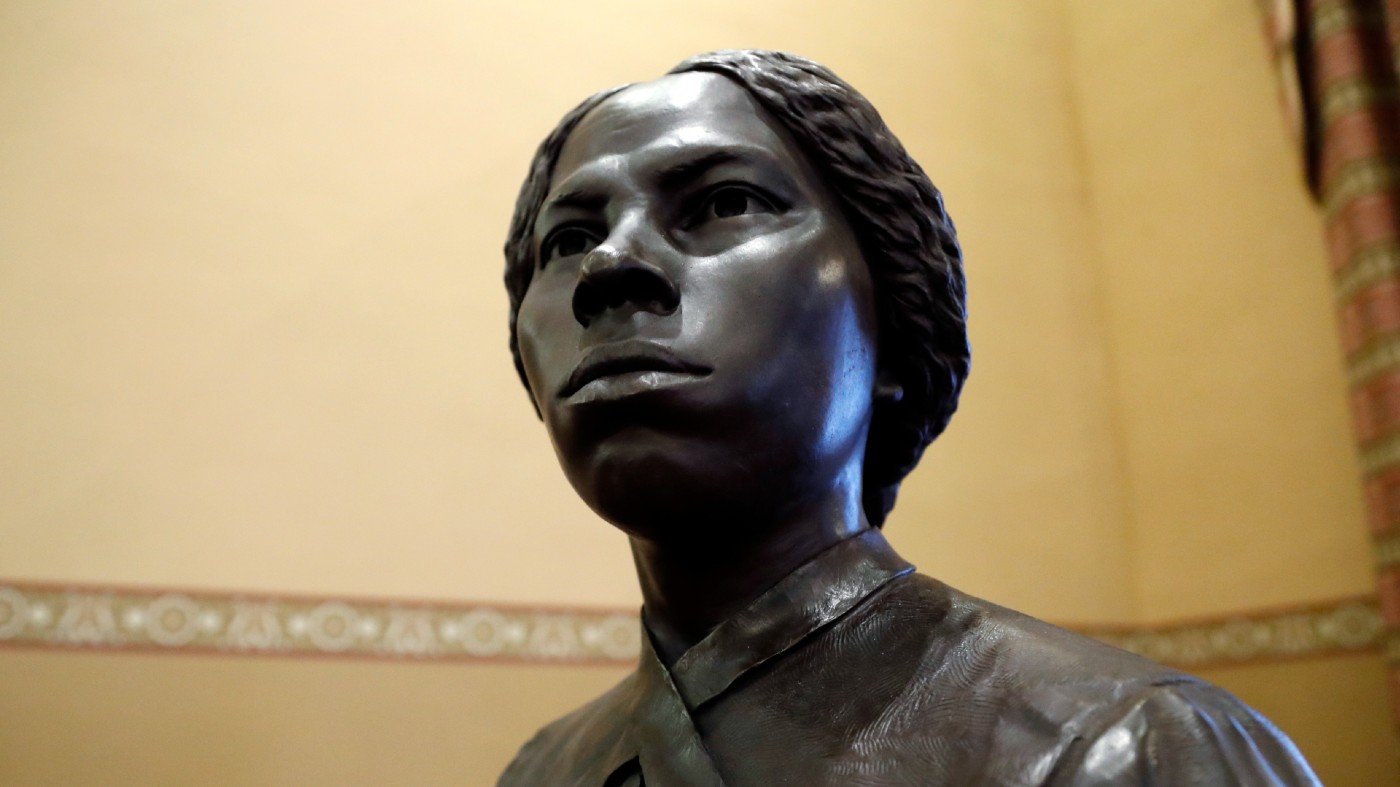
The Trump administration has officially killed the effort to put abolitionist Harriet Tubman on the front of the $20 bill, Treasury Secretary Scott Bessent told Spectrum News on Monday. Asked about the status of the redesigned currency, Bessent stated the administration is “not at present” planning to place Tubman’s likeness on the note.
The decision marks the latest twist in a decade-long political battle over who should appear on the widely circulated bill. The push to replace former President Andrew Jackson with Tubman began under President Barack Obama, who aimed to unveil the new design in 2020 to coincide with the 100th anniversary of the 19th Amendment, which granted women the right to vote.
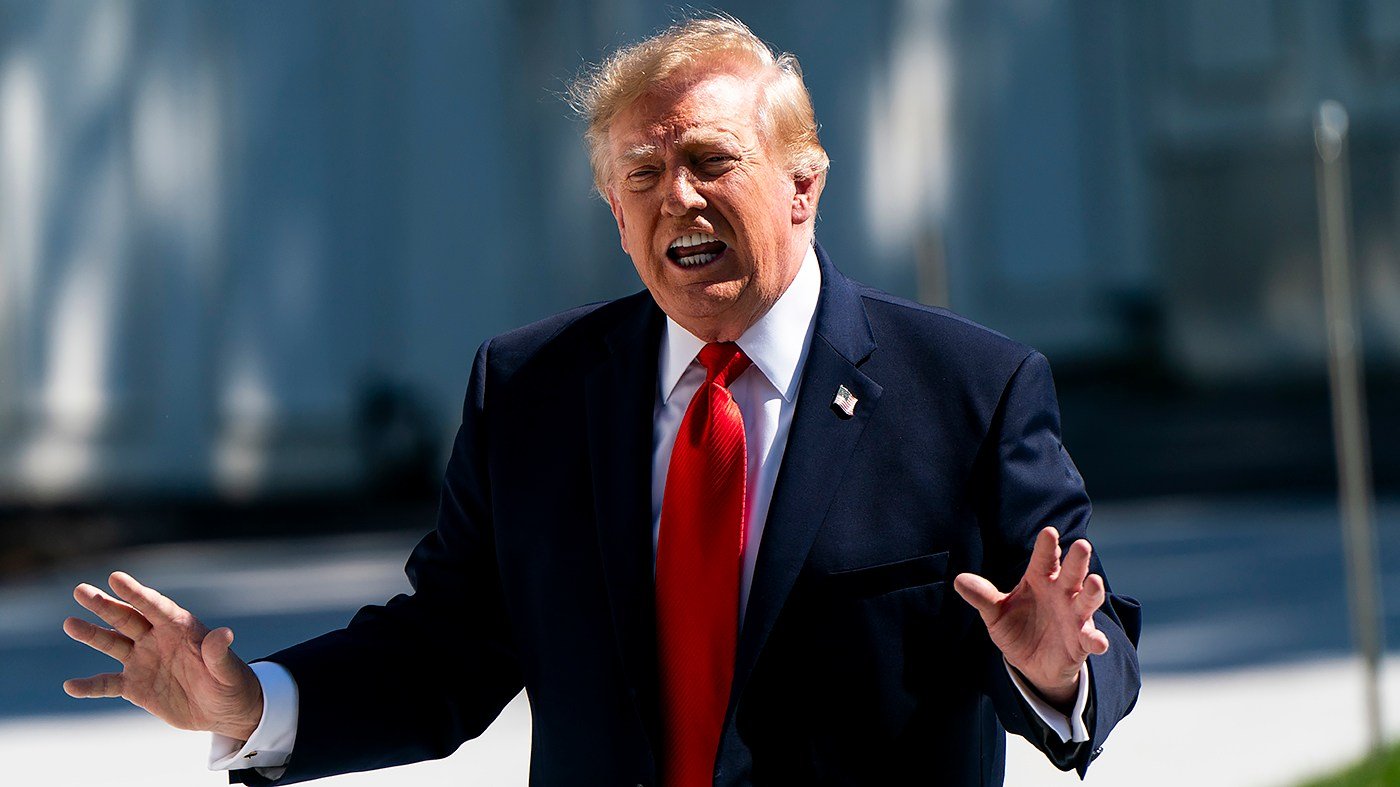
Under the first Trump administration, the redesign was shelved. The Biden administration then revived the effort, with then-White House press secretary Jen Psaki announcing in January 2021 that the Treasury Department was “taking steps to resume efforts to put Harriet Tubman on the front of the new $20 notes.” Psaki added that the department was “exploring ways to speed up the process,” arguing that U.S. currency should “reflect the history and diversity of our country.”
Now, with Trump back in office, the Tubman bill has been scrapped once again. The Treasury Department did not immediately respond to a request for comment on the reasoning behind the move.
The decision comes as the Trump administration pursues other policy priorities, including a legal fight with the AFL-CIO over a Labor Department rule on union finances. It also follows calls from some quarters for the Treasury to support a new IMF special drawing rights allocation to address global hunger.
For now, Andrew Jackson, the controversial seventh president known for his role in Indian removal and opposition to the central bank, remains on the $20 bill. The Tubman redesign had been seen by many Democrats as a long-overdue recognition of a key figure in American history who helped hundreds of enslaved people escape to freedom via the Underground Railroad.
The back-and-forth over the $20 bill underscores the broader political divide over how the nation’s history is represented on its currency. The Obama-era initiative was part of a larger effort to diversify the faces on U.S. paper money, which also included plans to feature women and civil rights leaders on other denominations. Those broader plans have not advanced under either Trump administration.
Bessent’s statement suggests the Trump administration has no immediate interest in revisiting the issue, leaving the $20 bill unchanged for the foreseeable future.