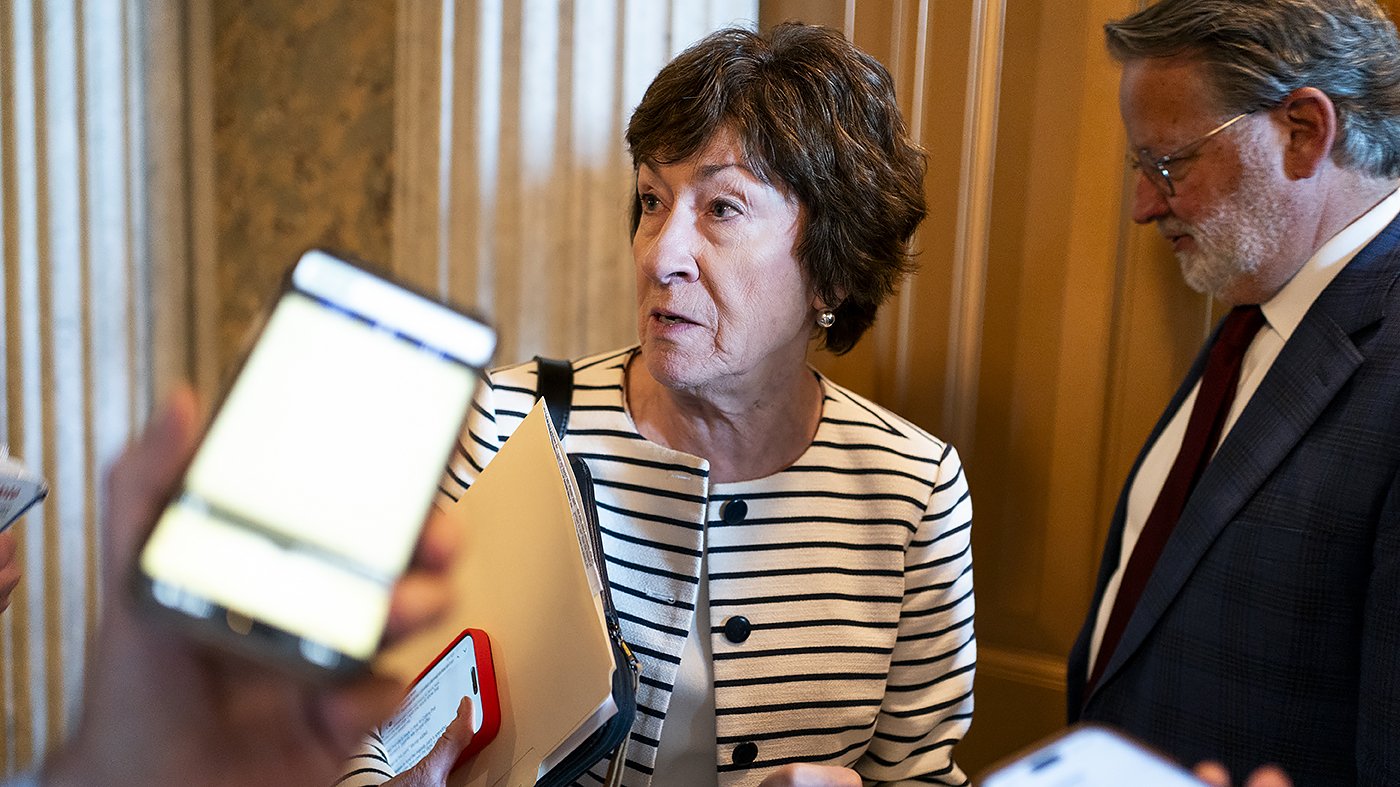
Sen. Susan Collins (R-Maine) has joined a mounting bipartisan backlash against a major proposed overhaul of federal grantmaking, urging the White House to scrap key provisions that she warns could devastate small and rural communities and inject political ideology into scientific research.
In a letter sent Monday to Office of Management and Budget Director Russell Vought, Collins specifically objected to language that would allow federal agencies to unilaterally terminate discretionary grants at any time if deemed in the “national interest” or aligned with agency priorities. She also took aim at a requirement forcing political appointees to review research grants already vetted through peer review.
The proposed rule, released quietly late last month, would codify many Trump-era executive orders and agency-level directives. It seeks to de-emphasize peer review and empower political staff to steer funding toward projects that “advance the President’s policy priorities.” The measure would also ban grant conditions related to diversity, equity, inclusion, or gender, and broadly restrict international scientific collaborations.
Collins, a moderate Republican who is currently locked in a tight reelection fight, wrote that adding a political review layer to already peer-reviewed awards “would undermine the objective that the federal government fund scientific and biomedical research projects based on scientific merit and value, rather than political ideology.” Her concerns mirror those raised by a group of Senate Democrats led by Minority Leader Chuck Schumer, who last week called for the entire rule to be rescinded.
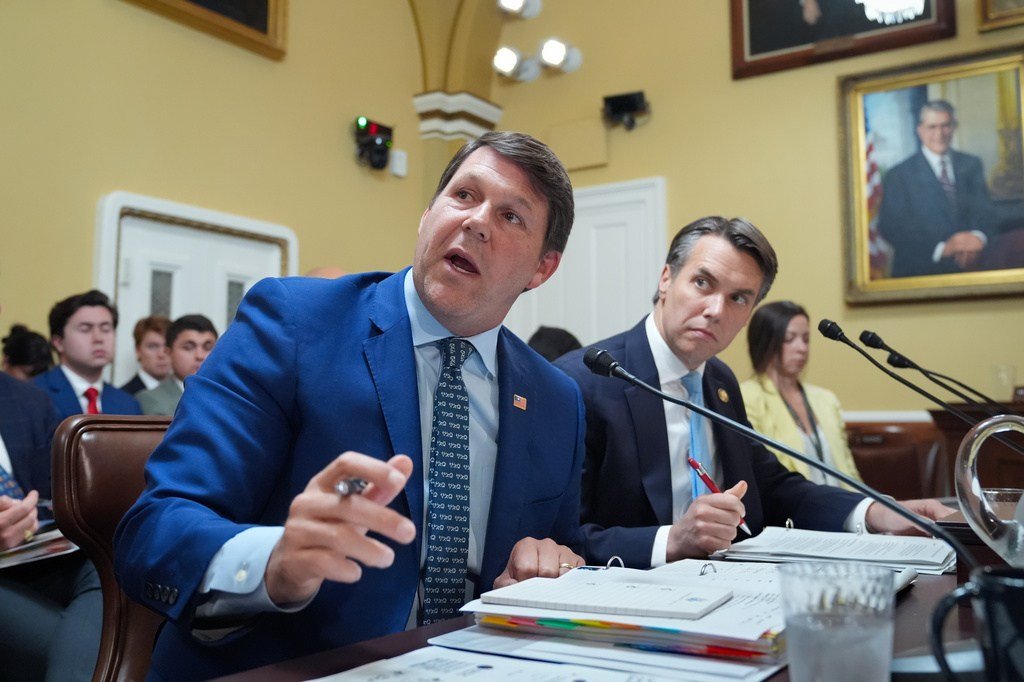
The OMB rule has drawn more than 82,000 public comments ahead of Monday’s deadline. Vought told a House panel last month that the administration would “assess each one of those comments and make any changes that we need to.” He defended the proposal as necessary to ensure taxpayer dollars are “aligned with the president’s agenda, as he got elected on behalf of the entirety of the American people.”
Critics argue the rule would upend decades of merit-based grantmaking and inject partisanship into funding decisions for everything from biomedical research to rural development. The White House counters that it will improve transparency and cut waste, fraud, and abuse across government.
Collins’s stand comes as she faces a competitive Senate race. A recent Fox poll showed her holding a narrow 3-point lead over Democratic challenger Sara Platner, who has been embroiled in controversy over an assault claim. The Maine Republican’s opposition to the OMB rule could resonate with moderate and independent voters in a state that relies heavily on federal grants for research and community projects.
The OMB is expected to review the comments and issue a final rule later this year, though the outcome remains uncertain amid legal challenges and growing congressional pressure.