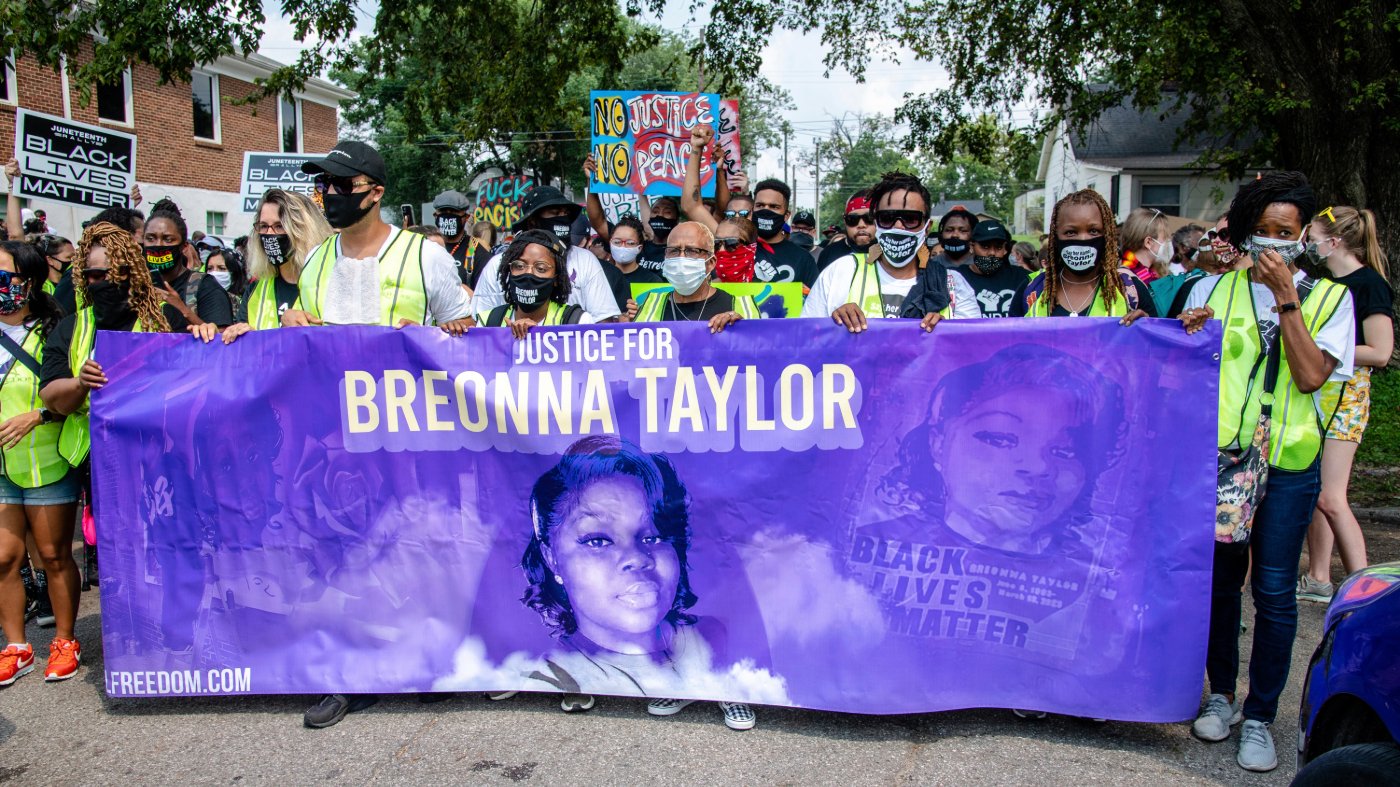
As the anniversaries of high-profile police killings—Breonna Taylor in Louisville, George Floyd in Minneapolis, Tyre Nichols in Memphis—pass without lasting federal action, cities are grappling with a stark reality: Washington can no longer be counted on to drive police reform.
Federal consent decrees, once seen as the gold standard for overhauling troubled departments, have been delayed, weakened, or abandoned under shifting political winds. This leaves communities like Louisville, Memphis, and Minneapolis searching for alternatives that don't rely on the White House or the Justice Department. The emerging answer: move accountability to the state level, where it's harder for politics to derail.

The Limits of Federal Oversight
For decades, the Department of Justice stepped in after catastrophic policing failures, negotiating consent decrees that mandated changes. But these agreements are fragile. A new administration can halt negotiations, refuse to enforce terms, or simply walk away. That instability traps families and local governments in a cycle of misconduct, outrage, and incomplete reform.
Louisville is a case in point. After the killing of Breonna Taylor and a Justice Department investigation that found patterns of unconstitutional policing in the Louisville Metro Police Department, city leaders pointed to federal oversight as the primary reform vehicle. Yet as meaningful federal intervention grows uncertain, Louisville's internal reforms have repeatedly failed to produce lasting accountability. Residents still witness police-involved shootings, excessive force allegations, and deep community distrust.
Accountability cannot rest on public statements or symbolic policy changes. It requires enforceable systems that remove dangerous officers before more harm occurs. That's where decertification comes in.
Decertification: A State-Level Tool That Works
Police decertification strips an officer of their legal authority to serve in law enforcement within a state. Unlike suspension or firing, which allow an officer to simply move to another department, decertification targets what officers value most: their career. It's governed by state peace officer standards and training (POST) commissions, which operate independently of federal priorities.
For Louisville, this means ensuring serious misconduct cases are referred to the Kentucky Law Enforcement Council, with public tracking of decertification proceedings. Officers who engage in serious misconduct shouldn't be allowed to resign quietly or shift to another agency. Without such structural mechanisms, Louisville risks recreating the conditions that sparked national outrage.
Across the country, states are expanding POST commission authority. According to “License Revoked: State Police Decertification Laws National Report Card,” states are strengthening their ability to permanently remove officers whose conduct disqualifies them from service.
Civilians Can Drive Change
Importantly, civilians aren't powerless. In Tennessee, residents can file complaints with the Tennessee POST Commission to trigger decertification investigations. In Minnesota, community members can submit complaints directly to the Minnesota POST Board. Kentucky law is more limited—it doesn't allow civilians to initiate proceedings, though the Kentucky Law Enforcement Council can review civilian complaints and evidence, but also has discretion to take no action.
These distinctions matter because community members, civilian oversight authorities, and journalists often learn of misconduct before police leaders act. The future of accountability can't depend solely on federal intervention. States must ensure problematic officers are reported to POST commissions, strengthen civilian oversight, and expand public awareness of decertification.
Federal consent decrees may vanish. Administrations may change. But state law, civilian oversight, and community-driven systems remain available. Louisville, Minneapolis, Memphis, and other cities now face a defining moment. They can continue reacting to tragedy after tragedy, or they can become national models for accountability rooted in decertification and meaningful change.
Kentucky should strengthen its decertification law to prevent officers guilty of serious misconduct from moving between departments. It should also require the Kentucky Law Enforcement Council to review civilian complaints and initiate decertification proceedings. These steps, along with similar reforms in other states, can help restore public trust and prevent future tragedies.