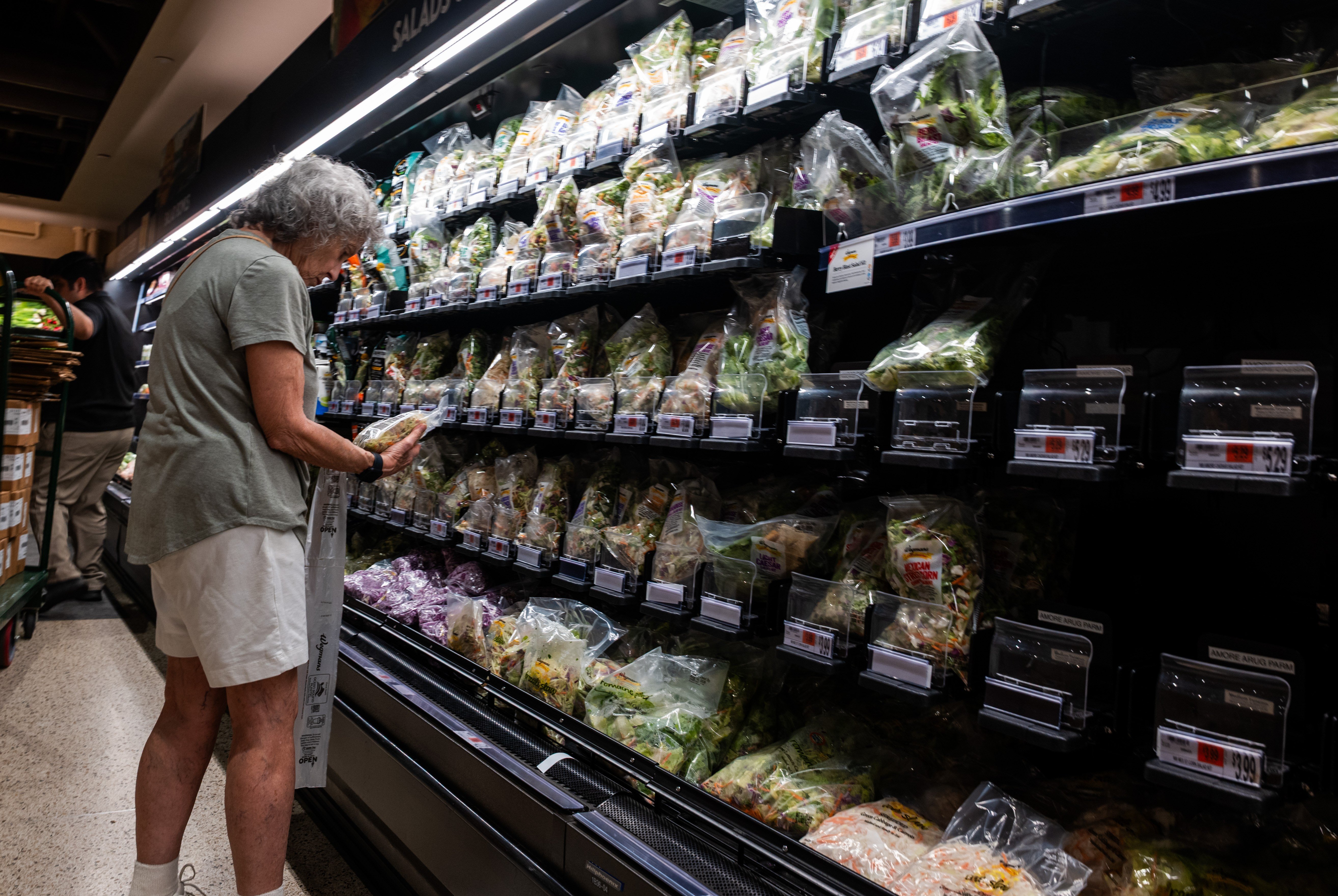
Two recent outbreaks linked to imported produce have once again raised questions about the safety of the U.S. food supply. A multistate cyclospora outbreak traced to iceberg lettuce from central Mexico sickened 9,481 people, while a salmonella outbreak tied to jalapeño peppers from Sinaloa infected 345 and triggered widespread recalls.
In a politically divided nation, ensuring that Americans have access to safe food—regardless of its origin—remains a rare point of consensus. The real debate centers on the most effective method to achieve that goal.
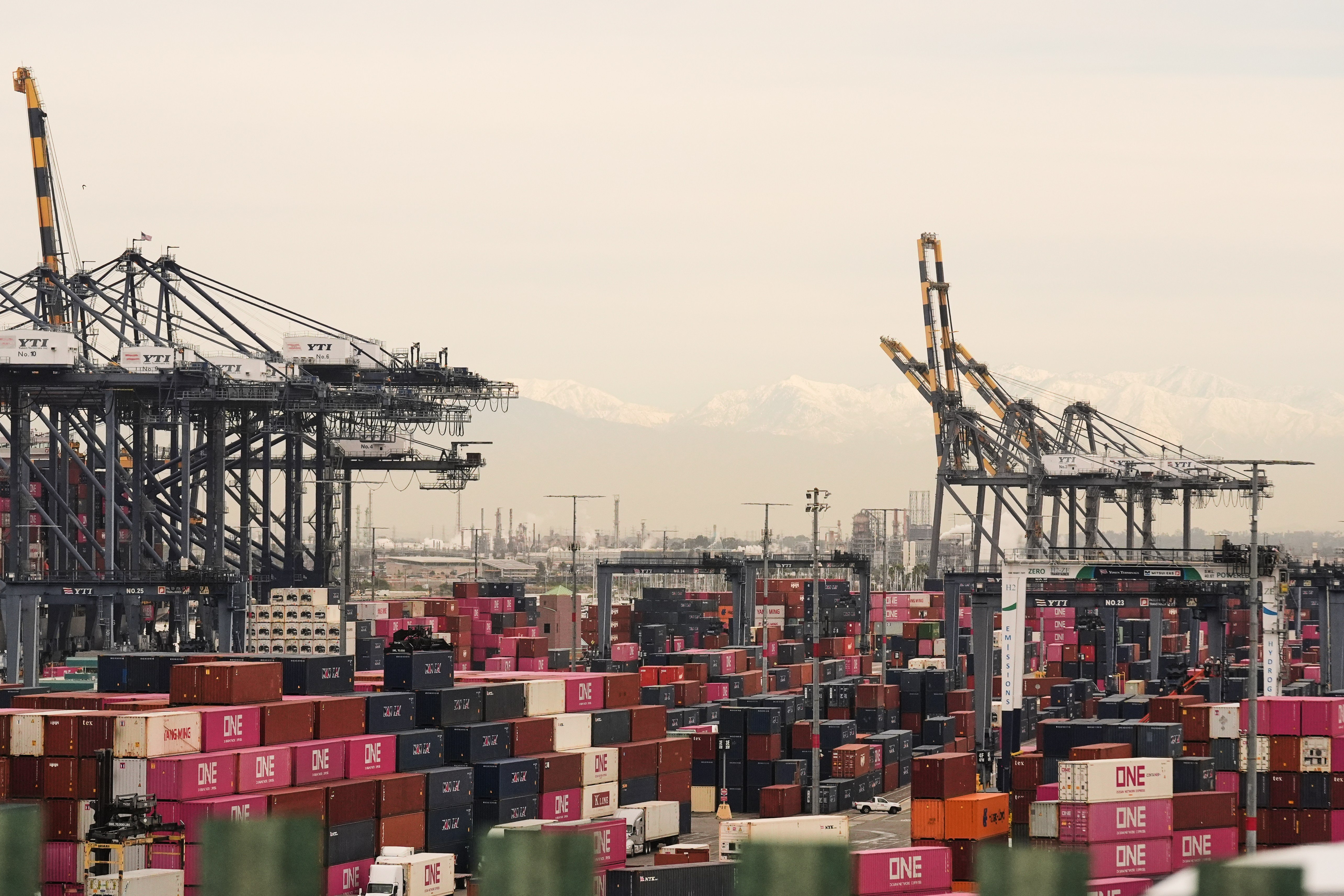
Americans expect fresh produce and seafood year-round, a demand that necessitates massive imports through increasingly complex global supply chains. The current food-safety framework, however, has not kept pace with this reality.
A cornerstone of the FDA's strategy for imported foods is the deployment of American inspectors to foreign processing facilities. This approach, which some liken to a lone ranger riding into town, has proven largely ineffective. Congress reinforced this model through the Food Safety Modernization Act, setting an annual inspection target of 19,200 facilities—a number the FDA itself has admitted is unattainable.
According to a 2025 Government Accountability Office report, the FDA conducted an average of just 917 foreign inspections per year from fiscal 2018 to 2023, less than 5% of its target. Even in 2019, when inspections peaked at 1,727, the agency reached only about 9% of the goal.
The typical response is to call for more inspectors and funding, but that overlooks a fundamental flaw: the inspection model is not scalable. Imports account for about 15% of the U.S. food supply, including 32% of fresh vegetables, 55% of fresh fruit, and 94% of seafood. These goods originate from over 200 countries and territories, involving roughly 125,000 foreign food facilities and countless farms.
The FDA does employ other tools, such as the Foreign Supplier Verification Program, border screening, and import alerts, yet Congress continues to emphasize an inspection target that bears little relation to what is achievable.
An alternative model worth considering is the European Union's approach. The EU relies heavily on exporting countries' “competent authorities” to certify that their production and control systems meet EU standards, supplemented by European oversight and risk-based border checks. Rather than focusing on individual processors, the central question becomes whether a country's overall food-safety system is effective.
The FDA has already taken a step in this direction through its Systems Recognition program, which evaluates whether other countries' regulatory systems are comparable. However, agreements currently exist only with Australia, Canada, and New Zealand—nations with already robust food-safety systems. This does little to address the more challenging task of improving oversight in major exporting countries where capacity is weaker.
The agency has shown how collaboration can work in practice. In August 2023, it signed its first Regulatory Partnership Arrangement with Ecuador for aquacultured shrimp, allowing the two governments to share inspection records and sampling data. Expanding such partnerships could be key.
Encouragingly, the FDA's 2026 Human Foods Program priorities explicitly call for leveraging foreign competent authorities, with a focus on the Food Safety Partnership with Mexico and similar arrangements. For imported shrimp, the agency says it will advance regulatory partnerships with other nations. This shift toward a country-level approach—rather than relying solely on individual inspections—could prove more effective in safeguarding the global food supply.