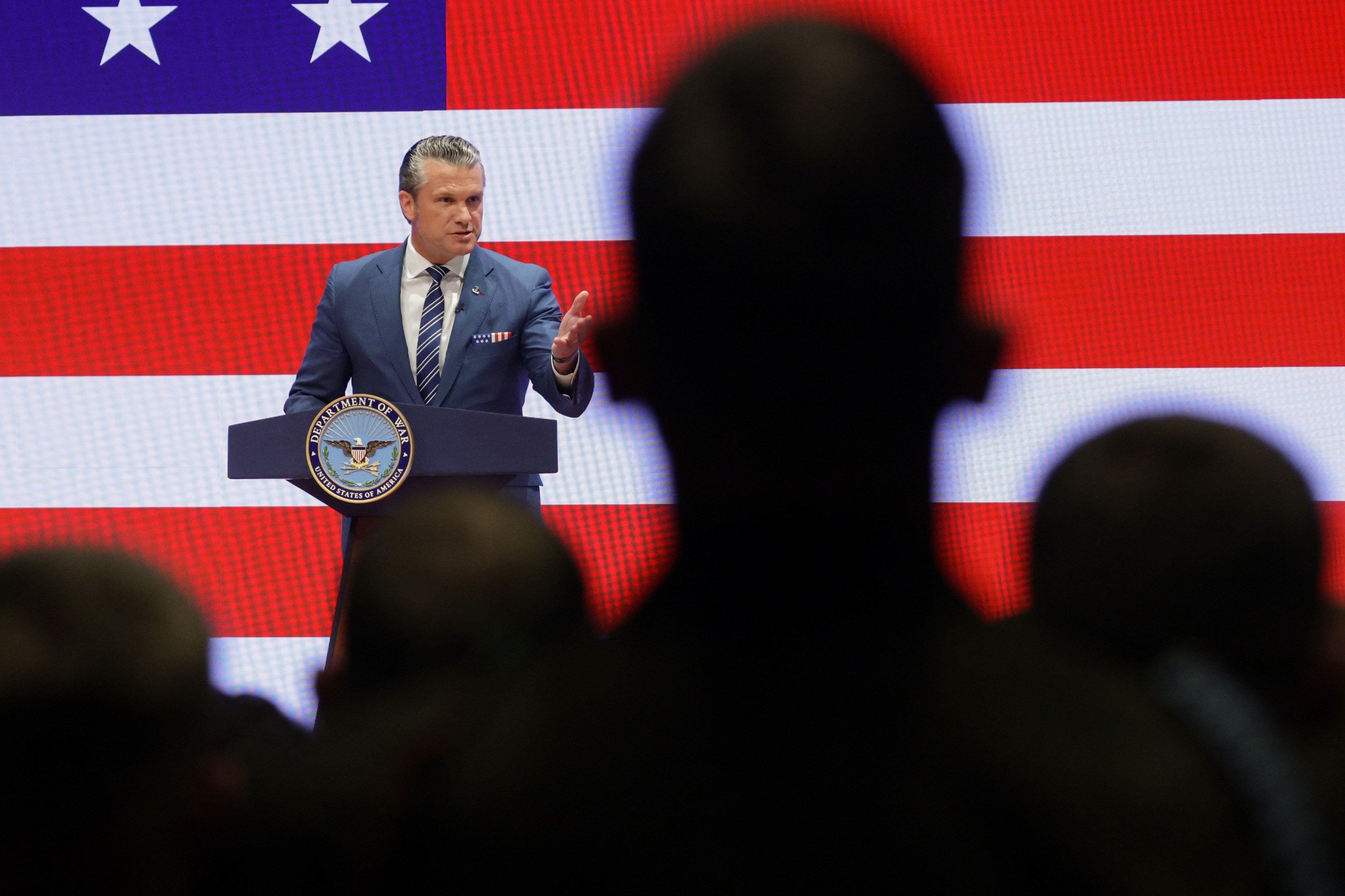
Senior Republican senators are expressing alarm after Defense Secretary Pete Hegseth announced a sweeping 20 percent reduction in the number of U.S. generals and admirals, a move they say was made with little to no prior consultation with Congress and may have unfairly targeted qualified officers for political or ideological reasons.
Senate Armed Services Committee Chair Roger Wicker (R-Miss.) said he was only informed of the plan shortly before it was made public. "I wouldn't have made that a priority if I had been asked," Wicker told reporters, adding that he did not get a long lead time ahead of Wednesday's announcement. He speculated that Hegseth is likely "interested in cutting out bureaucracy at the top level," but acknowledged he had few details about the scope or rationale.
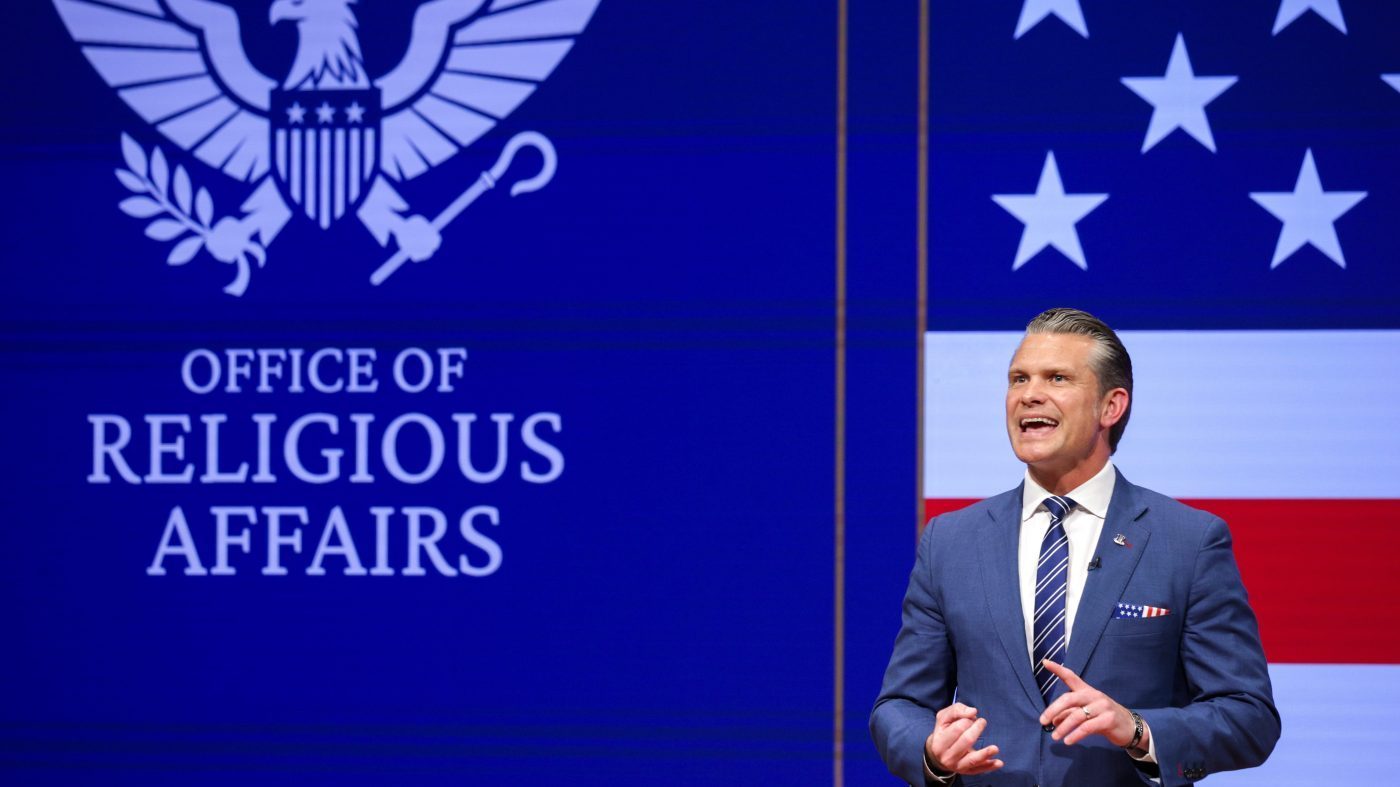
Senate Appropriations Committee Chair Susan Collins (R-Maine), who oversees the Pentagon's emergency supplemental spending request and the annual defense appropriations bill, also said she received no advanced notice. Collins reiterated her earlier criticism that Hegseth's removal of senior military officials is "deeply troubling" and risks losing the "talent, dedication and patriotism" of women and people of color who have been disproportionately affected. "Our system for promoting officers has always been an example of one of the greatest meritocracies that we have," she said. "There may be a need to reduce the overall number of flag officers at the Pentagon, but this approach seems to be targeted on ideology." She added that the disproportionate impact on Black and female officers is disturbing.
The frustration extends beyond the cuts themselves to a broader pattern of the Defense Secretary making major decisions without engaging key lawmakers. Sen. Thom Tillis (R-N.C.), who served on the Armed Services Committee for eight years, said Hegseth has "failed to respect Congress" and has not provided "fulsome briefings." "When you're the head of the Department of Defense or any agency, you at least engage your committees," Tillis said. "When you hear Sen. Wicker and other people express frustration — we're his stakeholders. We control his purse strings, and he's almost treating us like we're some line workers down in the manufacturing facility that he doesn't want to spend time with." He called the situation "a huge problem" and said Hegseth is "the face of the problem."
A Pentagon official pushed back against allegations that promotion and retirement decisions were based on race or sex. "It is untrue that Secretary Hegseth is basing promotion decisions on race and sex, and we have said so repeatedly," the official said.
Hegseth defended the cuts last week, framing them as a necessary step toward "accountability" and "long overdue" reform. Speaking at the State of the Force address at Marine Corps Base Quantico, he declared, "You can't change a culture with the same people who enabled it. Personnel is policy at every single level," and confirmed a 20 percent reduction in generals and admirals "across the board." He also touted record recruiting and retention numbers across all military branches.
Sen. Joni Ernst (R-Iowa), a senior member of the Armed Services Committee, said Hegseth did not consult with either Republicans or Democrats on the oversight or appropriations committees before moving forward. "What I want to see is a plan," Ernst said. "I'm not going to say a 20 percent reduction is not warranted. The problem is that the secretary did not come and explain this to us before acting on it, much like a lot of the firings that we've seen with military personnel." She pressed for clarity on whether the positions are being modernized or collapsed and what the underlying rationale is.
Ernst also suggested that if the goal is cutting bureaucracy, Hegseth should also examine the Pentagon's civilian workforce. "We should look at both military and nonmilitary people, but I do have concerns," she said, stressing that any reduction in senior military roles must be justified by evolving military needs and readiness requirements.
The controversy comes as Hegseth has also moved to fast-track anti-drone systems and signaled a shift of troop focus from Europe to Latin America. But the flag officer cuts have drawn particular ire from lawmakers who control the Pentagon's budget, setting up a potential clash over future defense appropriations.