Ukraine's first major assault on the Kerch Strait Bridge involved a truck bomb in October 2022, followed by attacks using unmanned surface vessels, S-200 rockets, and underwater explosives placed near the bridge's supporting pillars. This week, Ukrainian forces completed the operation, finally destroying the bridge that has long symbolized Russia's grip on Crimea.
President Volodymyr Zelensky detailed the operation on X, noting that it was "carried out over several weeks, developed and coordinated by the Security Service of Ukraine together with the General Staff of the Armed Forces of Ukraine. Our warriors gradually destroyed air defense systems, radars, electronic warfare equipment, and other designated targets on the way to the final objective."
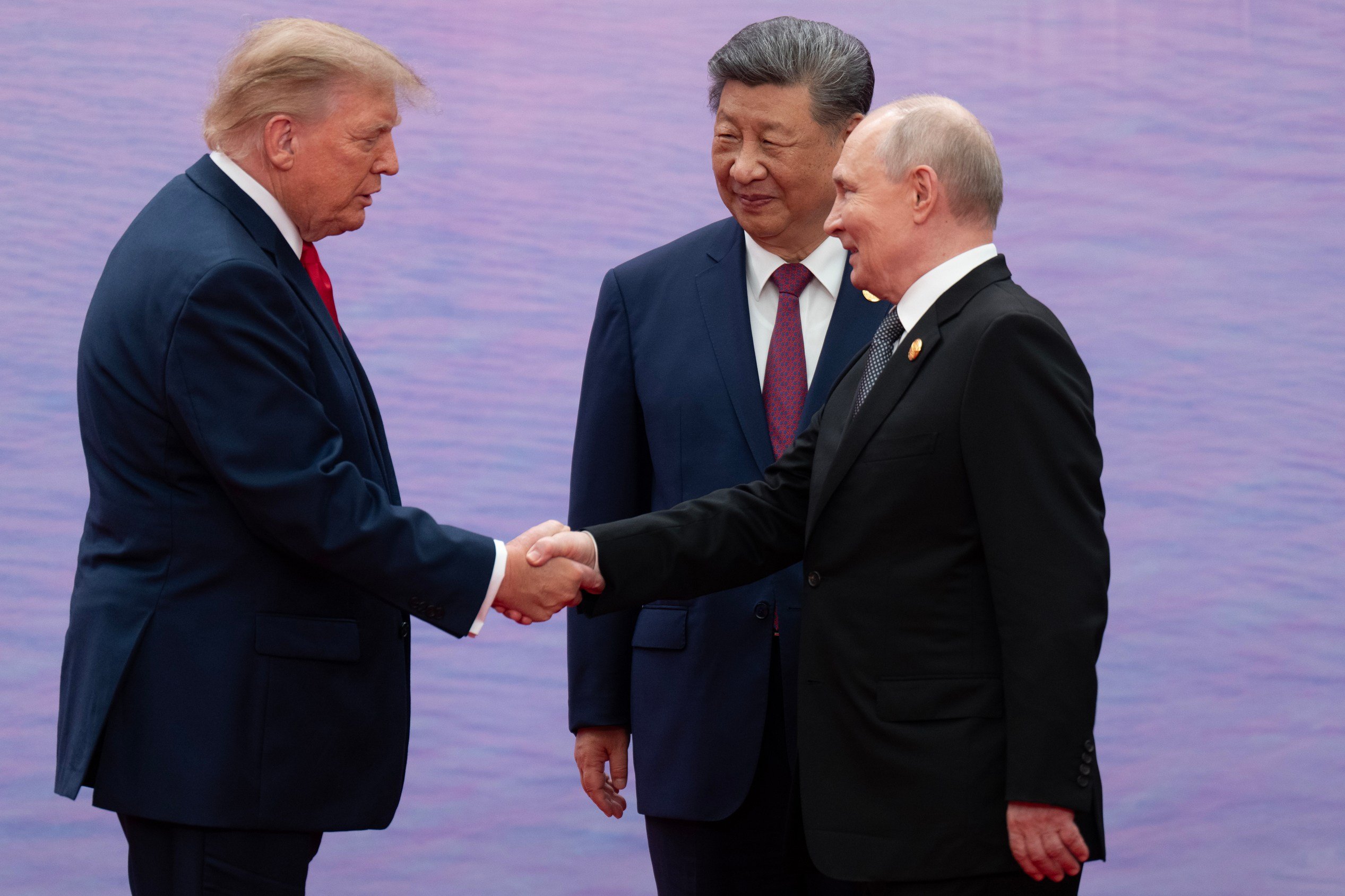
The timing is significant. In February 2025, President Trump lectured Zelensky in the Oval Office, saying, "You're not in a good position. You don't have the cards right now." As of Tuesday, Zelensky clearly holds a stronger hand. The strike is a direct response to Trump's reported plans to meet with Chinese President Xi Jinping and Russian President Vladimir Putin, a summit that many feared could lead to a Yalta-like division of Ukraine without Kyiv's consent.
Ukraine's Ambassador to the U.S., Olha Stefanishyna, captured this sentiment in a May interview with CNN's Jim Sciutto. When asked if Ukraine had cards in the conflict, she replied, "We printed them. … We made our own." Ukrainian Defense Minister Yevhenii Khmara confirmed that the Kerch strike was executed "exclusively with Ukrainian weapons — using our technologies and our solutions." Zelensky added that domestically manufactured missiles and drones were used on both the road and rail sections of the bridge.
The attack creates an awkward backdrop for Trump's meeting with Xi and Putin in Shenzhen. As Trump's negotiation team pushes for a settlement favorable to Moscow, Zelensky has consistently resisted. He has faced consequences, including throttled access to the Starshield defense network and reduced Patriot missile supplies. Yet he has managed to hold the line against Russian forces. The Kerch Bridge strike may signal a shift in momentum, and Zelensky is unlikely to abandon the Donbas region in exchange for vague economic promises.
For Ukraine and Europe, national security trumps oil and mineral wealth. German Chancellor Friedrich Merz warned during his October visit to Kyiv, "If Russia is not stopped, it will turn its war machine against us sooner or later." The White House must change course: instead of pressuring Ukraine to capitulate, it should defund Russia. Waiving sanctions and pursuing business deals with Moscow only fuels the Kremlin's war effort.
The path to peace lies in enabling Ukraine to counter Russia's aerial attacks, not in forcing Kyiv to surrender. Trump claims he wants to stop the killing, but the statistics tell a different story. Putin's "special military operation" has resulted in 1,629,010 Russian casualties, with over 54,000 in October alone. In the first 15 days of November, Russia sustained an average of 2,343 casualties per day—35,145 total, nearly double the number of Soviet soldiers killed in the decade-long Afghan war, and on pace for 70,000 by month's end.
The best way to stop the killing is to make Russia stop attacking, not to force Ukraine to give up. The Kremlin's display of confidence—senior officials telling Putin-aligned lawmakers to "prepare for victory"—echoes the early days of the invasion, when Russian troops carried parade uniforms expecting a quick win. They were wrong then, and they are wrong now.
Zelensky, facing ammunition shortages, simply built his own weapons and stopped asking for permission. This persistence, resilience, and adaptation, combined with continued support from allies, made Tuesday's strike possible. U.S.-mediated trilateral negotiations may be off the table for now, but a Russian response is likely, targeting Ukrainian civilians. Kyiv must accelerate deployment of its home-grown anti-ballistic missile defense system to protect its people.