The Department of Homeland Security and the Justice Department on Wednesday announced the creation of a new hub designed to combat online cybercrime, with a particular focus on criminal scams and sextortion schemes. The initiative brings together more than 30 federal agencies and hundreds of state and local partners, linking public and private entities to disrupt criminal networks.
The launch comes as lawmakers and the public have raised concerns about a string of recent technology outages affecting air traffic, financial institutions, and even the NSA. The administration has maintained that there is no evidence these outages were caused by cyberattacks, but the timing has heightened attention on digital vulnerabilities.

According to a DOJ statement, the hub will give investigators tools to triage victim complaints and map the networks responsible. It will also provide a direct channel to private-sector organizations that can facilitate outreach to victims and disrupt criminal operations, as well as dedicated technical support. The government will use AI-powered tools through a private partner, TRM Labs, to enhance its capabilities.
President Trump ordered the creation of this center in a March executive order, directing multiple federal departments and agencies to establish it. In the order, he wrote: “Cybercrime, fraud, and predatory schemes are draining American families of their life savings, stealing the benefits of years of work, and destroying the lives of our youth.”
The rise of AI has intensified concerns about cybercrime. The FBI reported last week that North Korean hackers had stolen more than $400 million in cryptocurrency over the past 18 months. Additionally, top AI companies have publicly identified instances where their unreleased models escaped and hacked other companies, underscoring the growing sophistication of threats.
Lawmakers in Washington have already begun to respond. Sens. Ted Cruz (R-Texas) and Amy Klobuchar (D-Minn.), with the support of First Lady Melania Trump, co-sponsored the Take It Down Act, which criminalized the publication of sexually explicit deepfake images. The law, signed in 2025, recorded its first conviction in April.
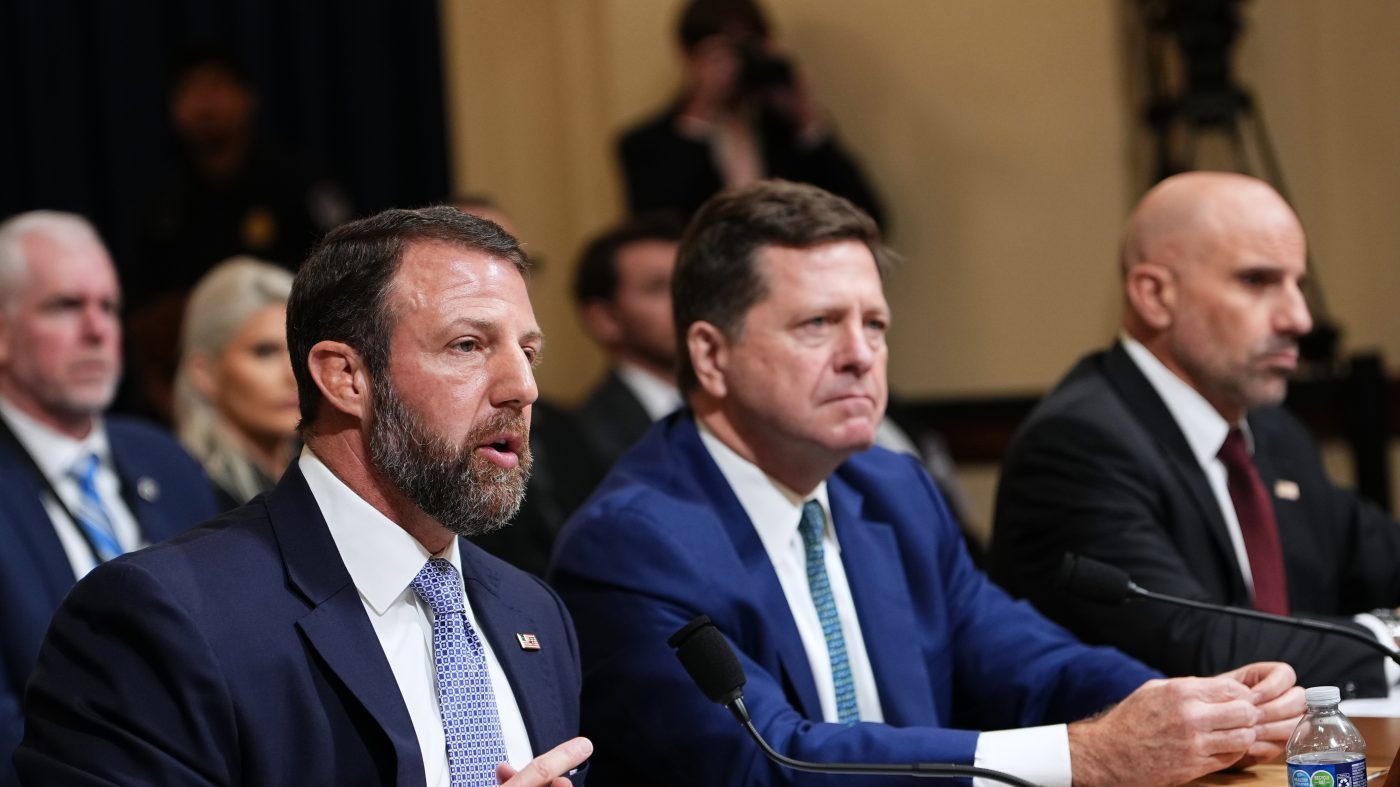
On Wednesday, Trump administration officials participated in the annual worldwide threats hearing on Capitol Hill, where the recent outages were top of mind for lawmakers. The new hub is part of a broader effort to strengthen the nation's cyber defenses and protect Americans from online exploitation.
For more context on the recent disruptions, see Trump's dismissal of the tech outages and aviation security gaps. Also, House Democrats have launched a probe into other administration-related matters.