The Trump administration is mounting a public relations push to reassure Americans that a string of recent technology failures—hitting banks, Microsoft services, and the nation's aviation system—are not connected or part of a broader cyber threat. But the effort is being complicated by mixed messaging and skepticism from within the president's own party.
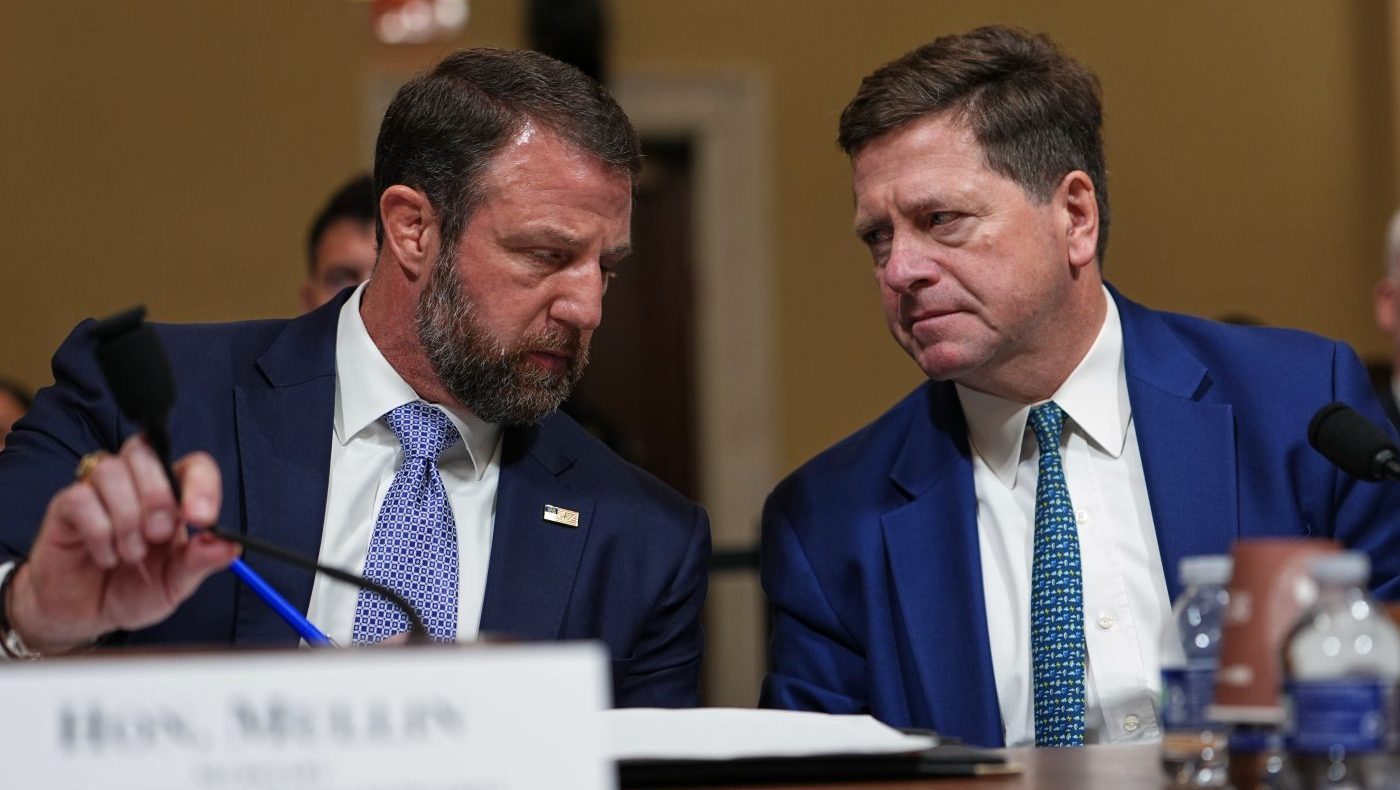
National Security Advisor Marco Rubio, appearing on camera from Asia, stated that the outages were unrelated, a view echoed by Sen. Mark Warner (D-Va.), the Senate Intelligence Committee's vice chair. Homeland Security Secretary Markwayne Mullin and Director of National Intelligence Jay Clayton reinforced that position during a worldwide threats hearing on Capitol Hill.
Federal Aviation Administrator Bryan Bedford sought to calm fears in an interview at The Hill's aviation event, insisting the system remains safe despite its age. "The system is absolutely safe," Bedford said. "The system is old, it's unstable, but we do have layers and layers of redundancy built into the system to ensure that it flies safely."
Yet the administration's attempts to project control have been undercut by a series of missteps. Vice President Vance abruptly canceled a scheduled appearance at a New York Times Dealbook summit on Wednesday, and officials have at times offered conflicting explanations. Republican strategist Brendan Steinhauser, president of the Alliance for Secure AI, noted the fragmented response: "So far, they've had a number of different messengers saying slightly different things. It's created some confusion and made people think about whether they have a handle on the situation."
Former White House press secretary Karoline Leavitt echoed that concern on Fox News, urging the administration to prioritize transparency. Shortly after her remarks, Clayton began a media blitz, telling CNBC, "This is not a cyberattack, and this is not a coordinated effort by a nation state. We've looked very closely." Deputy FBI Director Christopher Raia testified Wednesday that there was no sign of "cyber malicious activity" in the outages.
President Trump brushed off the disruptions earlier this week, saying "that's life." But that dismissive tone has not satisfied many of his allies. Sen. Rick Scott (R-Fla.) took to X, calling for congressional briefings and writing, "The American people can see everything happening with these service outages, and they feel like they're not getting the whole story. You can't blame anybody for that. I'm a member of Congress, and I feel that way!" Sen. Josh Hawley (R-Mo.) openly questioned the coincidence theory, saying, "If this is all a coincidence, it's like the greatest coincidence in the history of the world."
Mullin has drawn particular criticism. Conservative commentator Megyn Kelly called him "an idiot" and expressed zero faith in his leadership. He also faced backlash for taking a government plane to a college football game during the FAA ground stop, defending the trip by saying canceling "could bring confusion because I was meeting the governor there." Far-right influencer Laura Loomer went further, writing that he "should resign" after his hearing performance.
The outages have fueled broader security anxieties, especially amid reports that Iran has plotted to plant a dirty bomb in Washington, D.C. Steinhauser said, "We want to be careful not to speculate too much, but I do think given the timing and given the news reporting of the Iranians making plans to decapitate American leadership, I think we all wonder about whether this is part of a broader cyber warfare campaign against the U.S. government and our critical infrastructure." A White House official declined to comment on those reports.
As the administration struggles to project a unified front, some observers argue the key is consistent, transparent communication. Tricia McLaughlin, a former DHS spokesperson, wrote on X, "Americans aren't stupid. We want and deserve to know what's really going on." Meghan McCain, daughter of the late Sen. John McCain, added, "Someone high in the administration needs to get on tv and tell the American people NOW what is going on. No one who lived through Covid is believing this is all a coincidence."
For now, the administration's assurances have done little to quell speculation on social media, and the political fallout shows no signs of abating. Related coverage on Rubio's dismissal of ties and Trump's 'life' remark underscores the administration's challenge in addressing public anxiety.