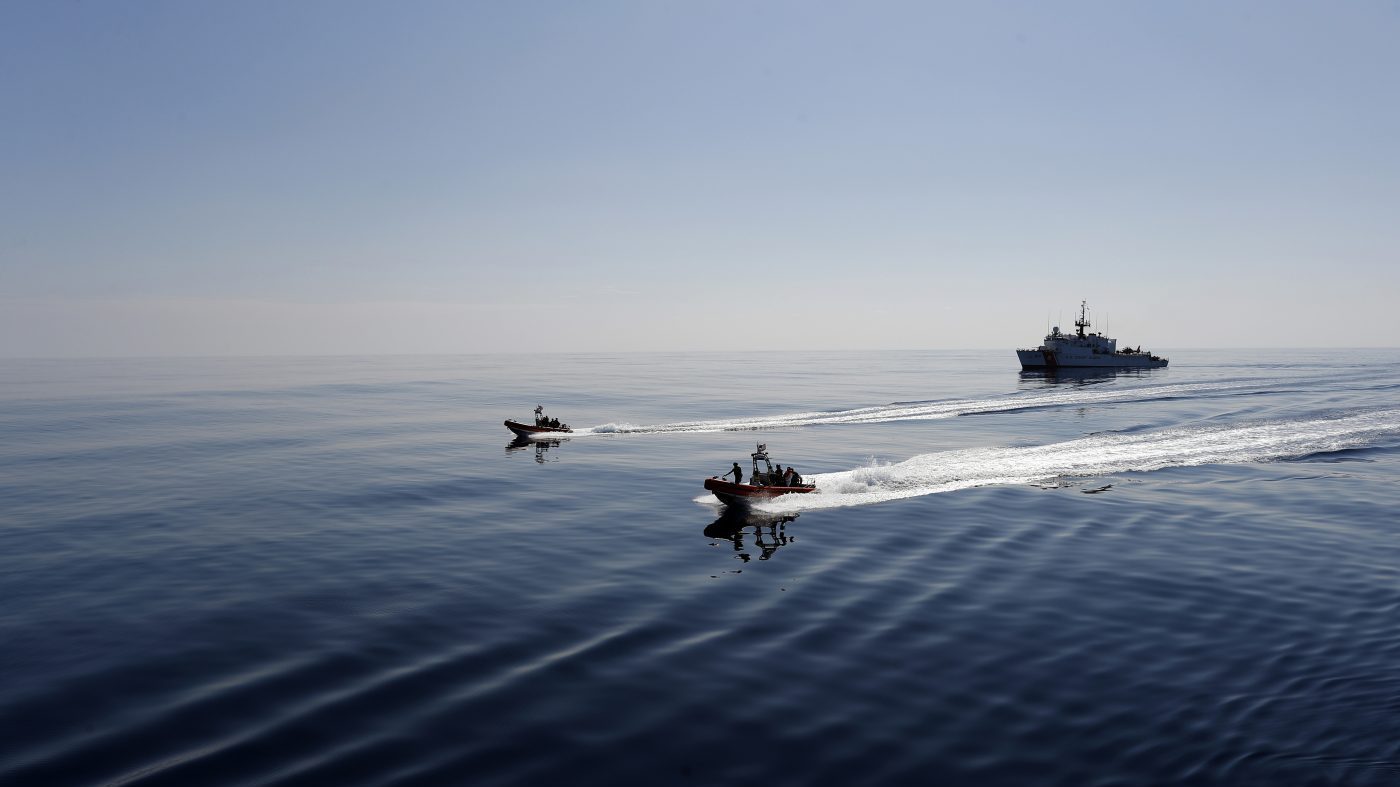
Iran launched fresh military strikes on Wednesday against a U.S. air base in Kuwait and multiple targets in Bahrain, marking a resurgence of tit-for-tat exchanges in the Persian Gulf after a roughly two-month pause.
The attacks followed a U.S. strike on Tuesday against an Iranian Revolutionary Guard Corps missile launch site on Qeshm Island in the Strait of Hormuz. A U.S. defense official said there was no impact on American interests, referring further questions to Kuwait and Bahrain.
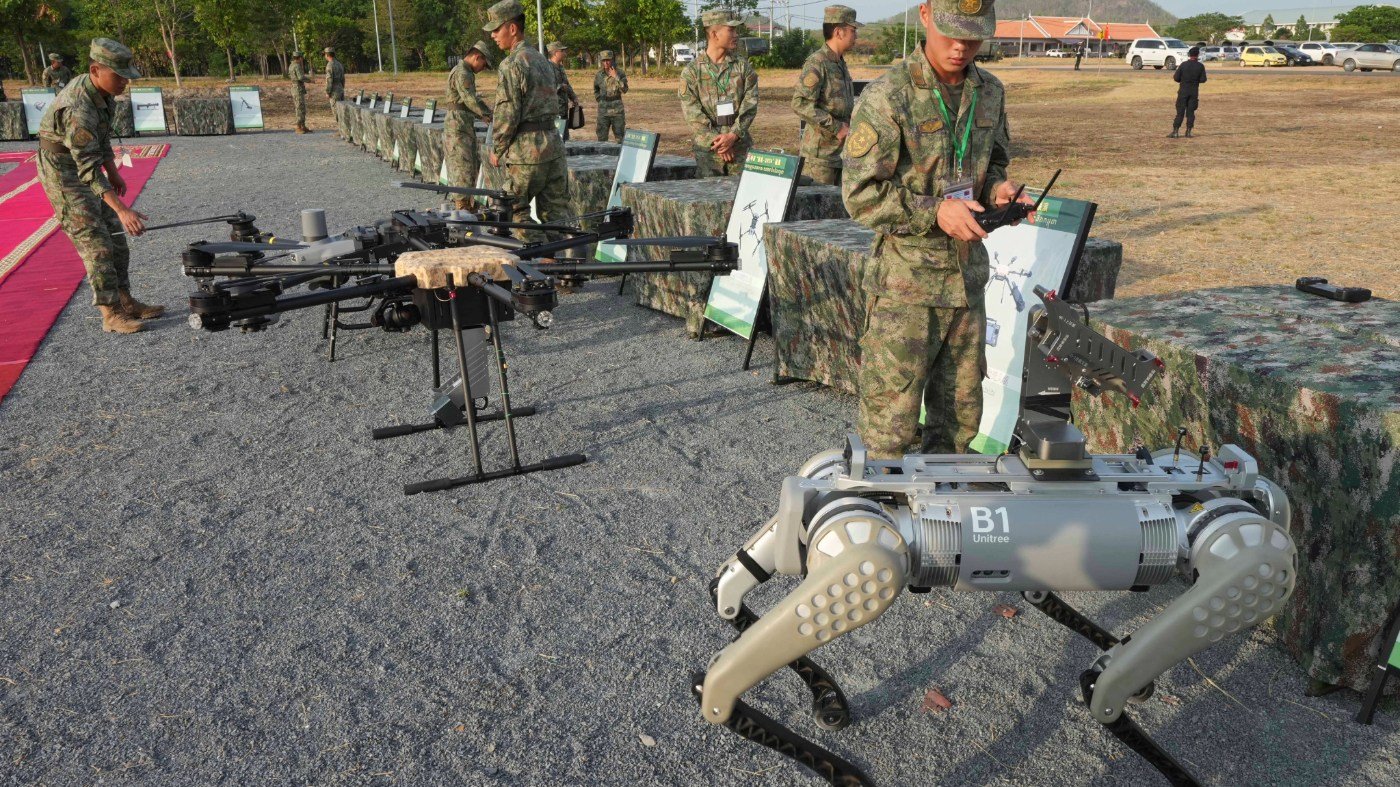
Both Kuwait and Bahrain reported that they intercepted and repelled the aerial attacks. Iran's state television confirmed its drones targeted Patriot air defense systems and drone and missile launch platforms belonging to the U.S. military at Ali Al-Salem Air Base in Kuwait.
The U.S. Central Command described Tuesday's strike as a self-defense action, using precision munitions against an IRGC launch site that had been used in aggression against U.S. personnel and assets. Washington has also stated that all recent Iranian attacks have been intercepted.
Since September, both Washington and Tehran had largely refrained from retaliatory strikes as they pursued diplomatic channels to end the conflict that began on Feb. 28. However, as Iran faces severe economic pressure from a U.S. blockade on its ports in the Strait of Hormuz, it has escalated attacks on U.S. and allied targets in the region over the past week.
On Friday, Iran targeted an American early warning radar facility in Bahrain, and on Sunday it struck a radar system at a U.S. helicopter base there. Tehran described these as retaliation for reported U.S. strikes on its communications towers and drone surveillance systems.
U.S. Central Command said it remains “highly vigilant and fully postured to protect Americans across the region.” President Trump, however, maintains that the conflict is “effectively over,” though he has not ruled out resuming major combat operations. On Tuesday, he also downplayed reports of a “dirty bomb” threat against Washington, D.C., saying the administration was monitoring the situation.
The renewed strikes come amid a broader pattern of Iranian drone attacks on U.S. radar sites in Bahrain that have tested the region's defenses. The situation remains fluid, with both sides showing willingness to use military force while diplomatic efforts continue behind the scenes.