Senate Democrats on the Commerce, Science and Transportation Committee staged a boycott Wednesday morning, refusing to attend a scheduled meeting to vote on a Republican FCC nominee. The move marks an early flashpoint in what promises to be a contentious transition period, with Democrats poised to take control of the chamber in January.
In a joint statement, the panel's Democratic members said they objected to what they called the majority's effort to "stack independent commissions with Republicans" and to rush nominees through the committee during the lame-duck session "with no Democratic pairs." The statement signaled deep frustration with the GOP's handling of the confirmation process for Danielle Thumann Severs, nominated by President Trump to serve on the Federal Communications Commission.
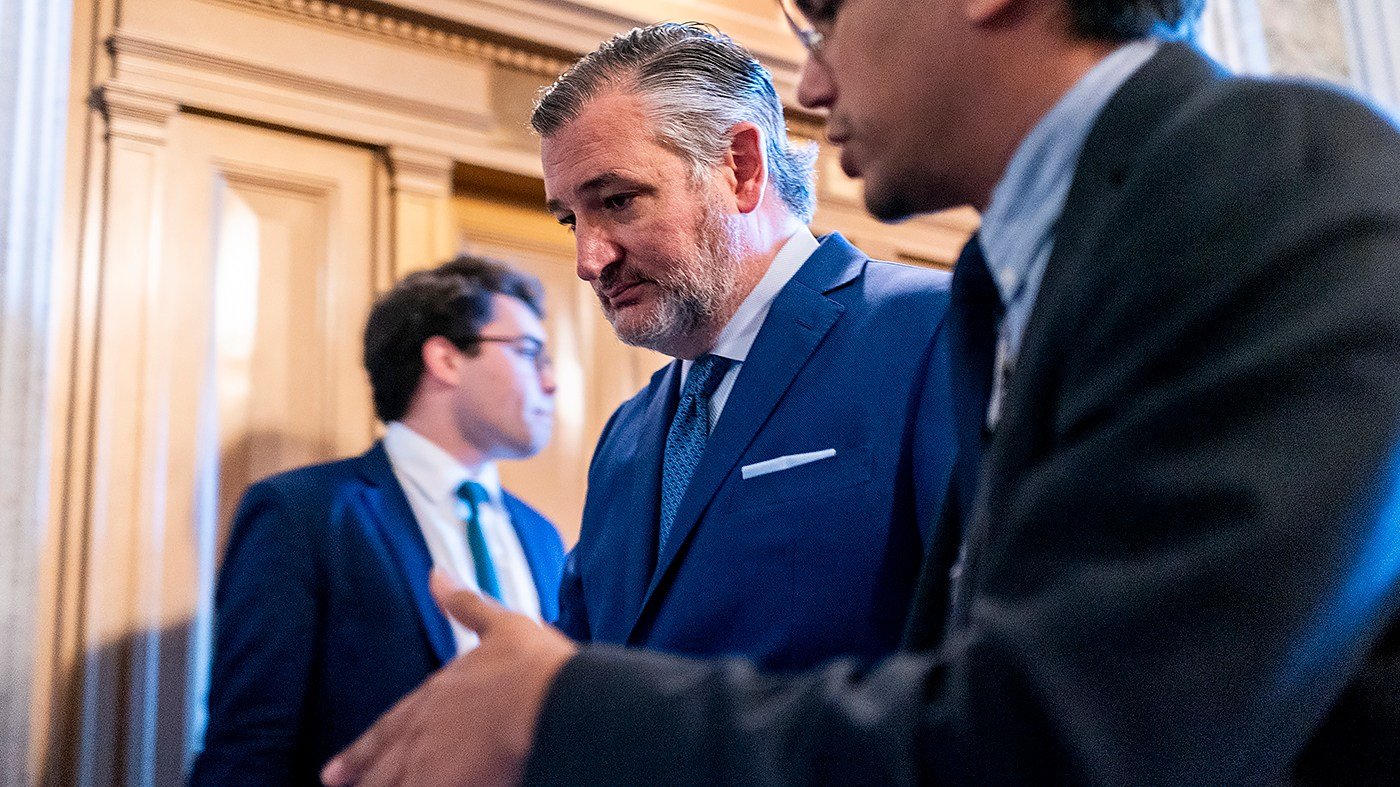
Committee Chairman Ted Cruz (R-Texas) opened the meeting by acknowledging the Democrats' absence, attributing it to their demand that a Democratic commissioner be nominated alongside Thumann Severs. Cruz said Democrats had sent him a letter urging him to delay the nomination, arguing that they would soon hold the gavel and should have a say in the process.
Republicans were quick to condemn the boycott. Cruz called it "a terrible harbinger heading into next year," suggesting it foreshadowed two years of "total obstruction" and "partisan warfare." He framed the Democrats' actions as a refusal to engage in the basic work of governance.
Sen. Bernie Moreno (R-Ohio) echoed that sentiment, directing a pointed question at Democratic voters: "For those of you who voted for Democrats, what did you vote for? Did you vote for people who don't show up for work?"
Democrats, however, argued that the confirmation of "controversial nominees" during the lame-duck period—before they take the majority—was an attempt to circumvent the incoming Democratic leadership. They had pushed for Thumann Severs' nomination to be pulled from the agenda, but Republicans pressed forward.
Despite the boycott, the committee voted along party lines to advance Thumann Severs' nomination, sending it to the full Senate for consideration. Sen. Jerry Moran (R-Kansas) said he had spoken with Thumann Severs on Wednesday morning and that she reiterated her commitment to protecting political free speech on the airwaves, a concern he had raised about potential FCC overregulation. Moran noted he still expected to meet with her before the floor vote.
The confrontation is part of a broader pattern of partisan friction over independent agencies and judicial appointments. Democrats have accused Republicans of using the lame-duck session to lock in conservative majorities on regulatory bodies, while Republicans argue they are simply fulfilling their constitutional duty to consider the president's nominees.
With Democrats set to assume the majority in January, the boycott may be a preview of the procedural battles ahead. As one GOP senator put it, the episode could signal "total war" in the new Congress, a prospect that is likely to dominate the political landscape in the coming months. For more on the shifting dynamics, see the pressure on Senate Democrats and the vows of incoming freshmen.
The FCC nomination is expected to move to the full Senate, where it will likely face further Democratic opposition. The outcome could hinge on the votes of a few moderate Republicans and the willingness of Democrats to force a prolonged fight.