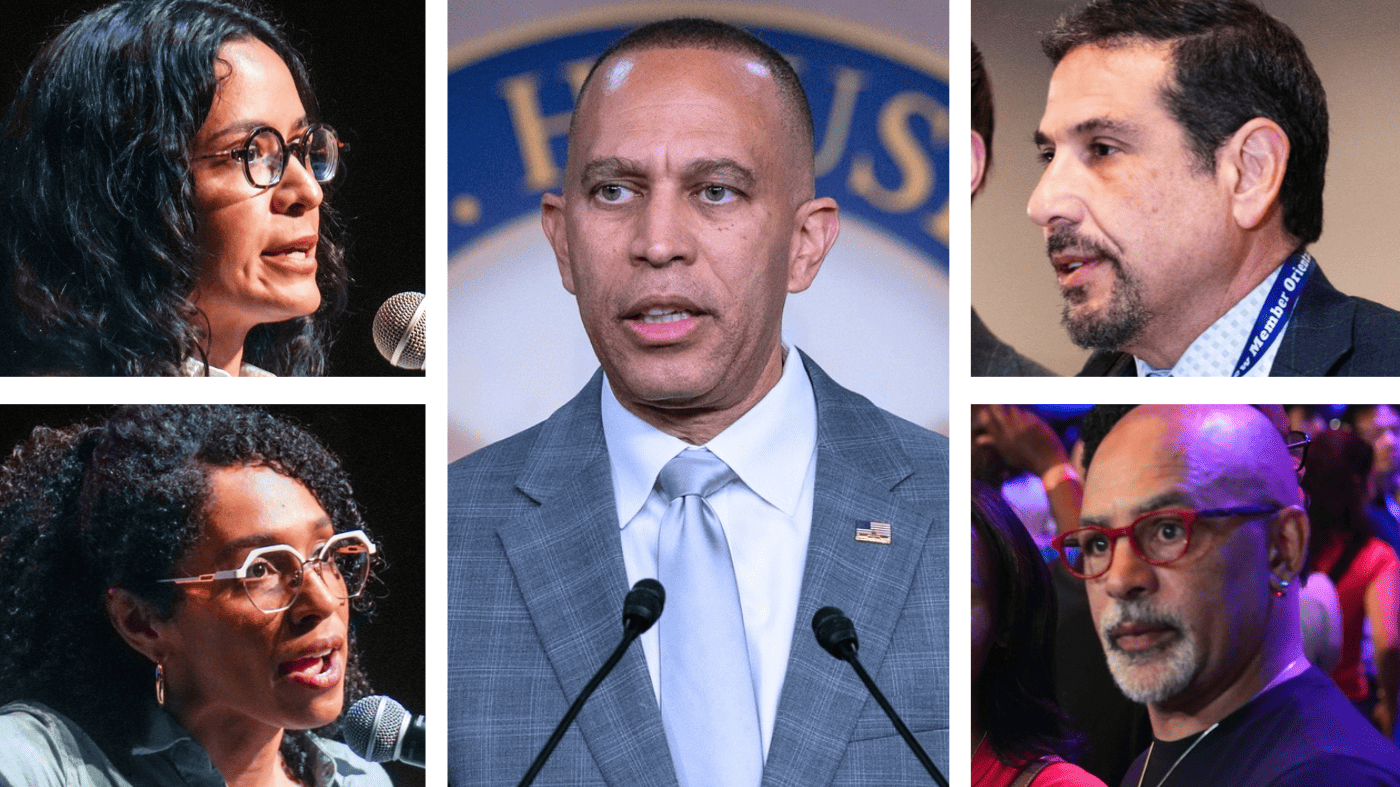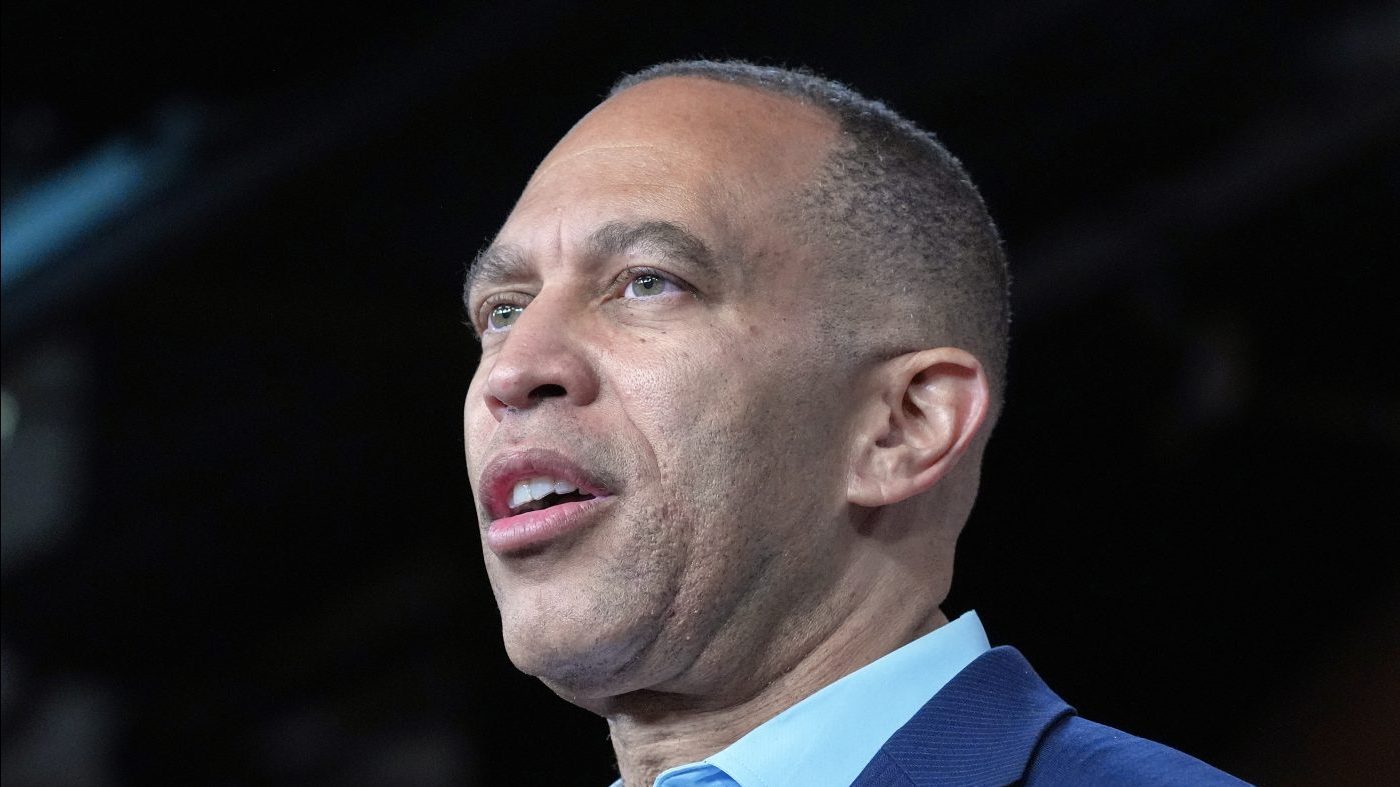
House Democrats on Wednesday formally selected Rep. Hakeem Jeffries (D-N.Y.) as their nominee for Speaker of the House, putting the Brooklyn lawmaker on track to become the first Black American to hold the gavel. The closed-door vote, which ended 251 to 11 in Jeffries's favor, underscored his broad support within the caucus and set the stage for a full House vote on Jan. 3.
The outcome was widely expected, as Jeffries ran unopposed and had consolidated support across the party's ideological spectrum. The Democratic gains in the midterms gave him a strong mandate, but he still faced grumblings from some progressives who argued he had not pushed back forcefully enough against President Trump's expansive use of executive power on issues ranging from immigration to the Iran conflict.
Despite the lack of a formal challenger, Jeffries took the unusual step of requesting a recorded roll-call vote rather than a simple voice acclamation. That decision allowed him to measure his exact level of support ahead of the more demanding floor vote, where he will need 218 votes to secure the speakership. The recorded tally also gave him a clear signal: he has the backing of the vast majority of his colleagues, even if some remain skeptical.
In the run-up to Wednesday's vote, Jeffries made a point of meeting with every faction of the caucus, from the Congressional Progressive Caucus to the centrist Blue Dogs, as well as incoming freshmen who have been among his most vocal critics. His outreach appeared to pay off, as the final count showed only a handful of defections.
Jeffries's leadership team also advanced, with Rep. Katherine Clark (D-Mass.) expected to become majority leader and Rep. Pete Aguilar (D-Calif.) moving to whip. Their ascension completes a generational shift that began in 2023 when Nancy Pelosi and her lieutenants stepped aside, and it positions Jeffries as the de facto leader of the national Democratic Party heading into the 2028 presidential cycle.
Already, Jeffries is outlining a legislative agenda that includes reversing Republican-backed Medicaid cuts and restoring expanded ObamaCare tax credits that expired at the start of 2026. He has also signaled a heavy focus on oversight, with Democrats planning a sweeping investigation into Trump administration officials' potential conflicts of interest, as detailed in recent reporting on the probe.
Yet Jeffries will face a delicate balancing act. The midterms brought in a wave of centrist Democrats from purple districts who favor bipartisan compromises, while the liberal wing, boosted by its own gains, is pushing for ambitious priorities like Medicare for All and an end to military aid to Israel. The tension between these factions will test Jeffries's leadership as he navigates a divided government.
His nomination is a historic milestone, but the real challenge begins in January, when he must unify a diverse caucus and confront a Republican opposition ready to exploit any fissures. As the nomination process concluded, Jeffries signaled he is ready for the fight.