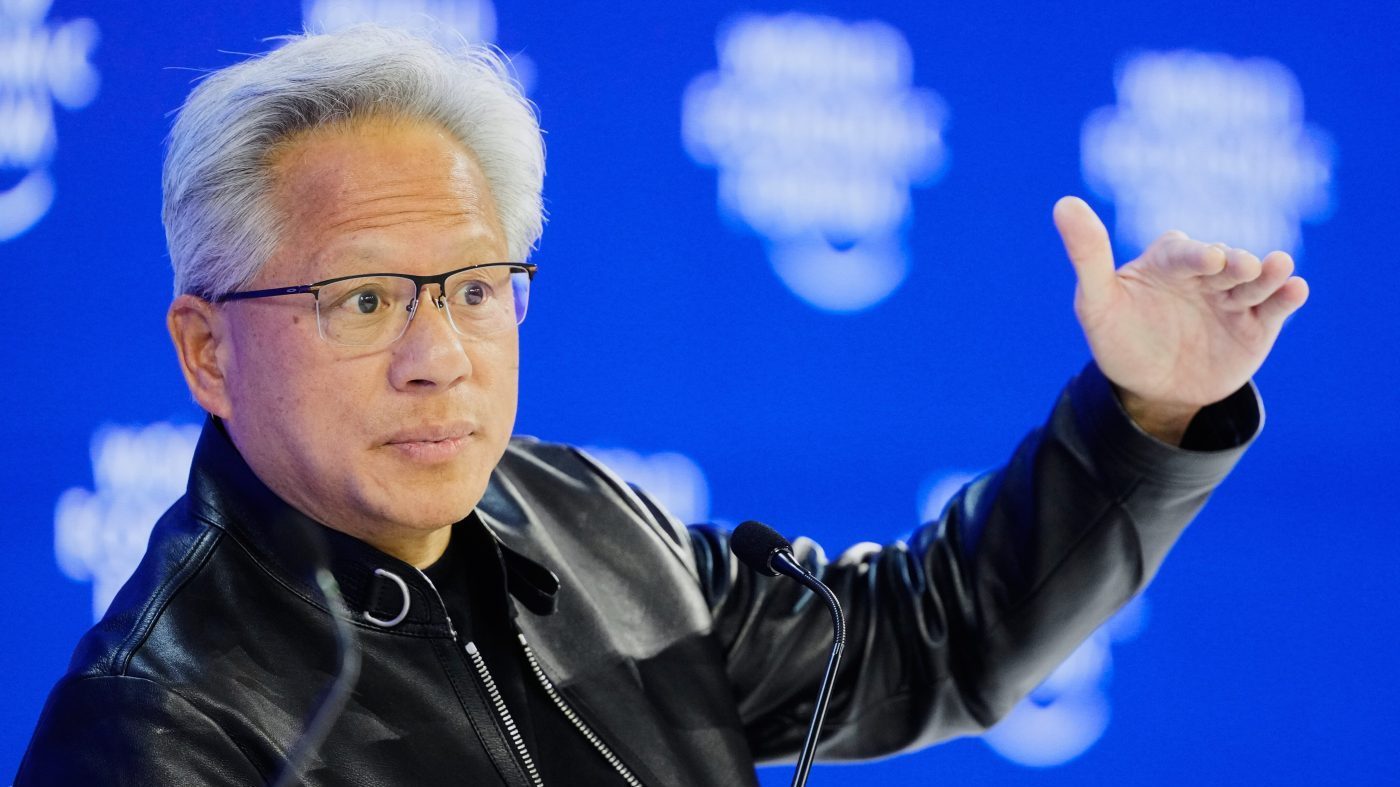
Nvidia's board has decisively shut down any possibility of Jensen Huang returning as CEO, even as the ousted founder floated the idea of a comeback. Harvey Jones, who now chairs the board, said Tuesday evening that directors "unanimously accepted his resignation and do not intend to reinstate Jensen as CEO."
Huang resigned last week following revelations of an affair with a woman suspected by U.S. officials of ties to Chinese intelligence. In a statement earlier Tuesday, Huang acknowledged the "outpouring of calls" from employees, investors, and customers urging his return, and said he would be "honored" to lead Nvidia again if the board deemed it in the company's interest. But that overture was swiftly dismissed.
The board's decision comes amid intense lobbying from prominent tech figures, including Tesla's Elon Musk, Uber co-founder Travis Kalanick, Epic Games' Tim Sweeney, and Y Combinator's Garry Tan. President Trump has also signaled support for Huang's reinstatement. More than 170,000 people signed an open letter arguing that Huang "deserves due process, not mob justice" and calling for his return while an independent investigation proceeds.
Yet Democratic lawmakers have pushed back, raising concerns about national security and corporate governance. The controversy has cast a shadow over Nvidia's otherwise stellar financial performance.
During Tuesday's earnings call, the company reported $115.8 billion in revenue for the third quarter, a 20% increase from the previous quarter and more than double year-over-year. The strong numbers, however, were tempered by the leadership crisis and the ongoing scrutiny of Huang's personal conduct.
Nvidia has since appointed longtime CFO Colette Kress as interim CEO, and the board has formed a security panel to review the matter. The company is also navigating broader geopolitical tensions, including a security panel formed as the CEO exited and Trump's public backing of Huang, which has added a political layer to the saga.
Huang's resignation has also complicated U.S.-China relations, with the scandal looming over the Trump-Xi summit in Shenzhen. Some officials fear the affair allegations could be exploited by Beijing, while others argue Huang is being unfairly targeted.
Despite the board's stance, Huang retains significant support within the tech community. "NVIDIA is a once-in-a-generation company," he said, framing his potential return as a patriotic duty. But for now, the board's message is clear: Huang's tenure is over.
The coming weeks will likely see continued debate over Huang's legacy and the company's future direction. For Nvidia, the challenge is to maintain its market dominance while navigating the fallout from a scandal that has shaken its leadership and tested its corporate governance.