As world leaders gather in Turkey for the annual climate summit, the United States is notably absent. But former Rep. Bob Inglis argues that Washington can still shape the global energy agenda—by embracing the summit's core theme: electrification.
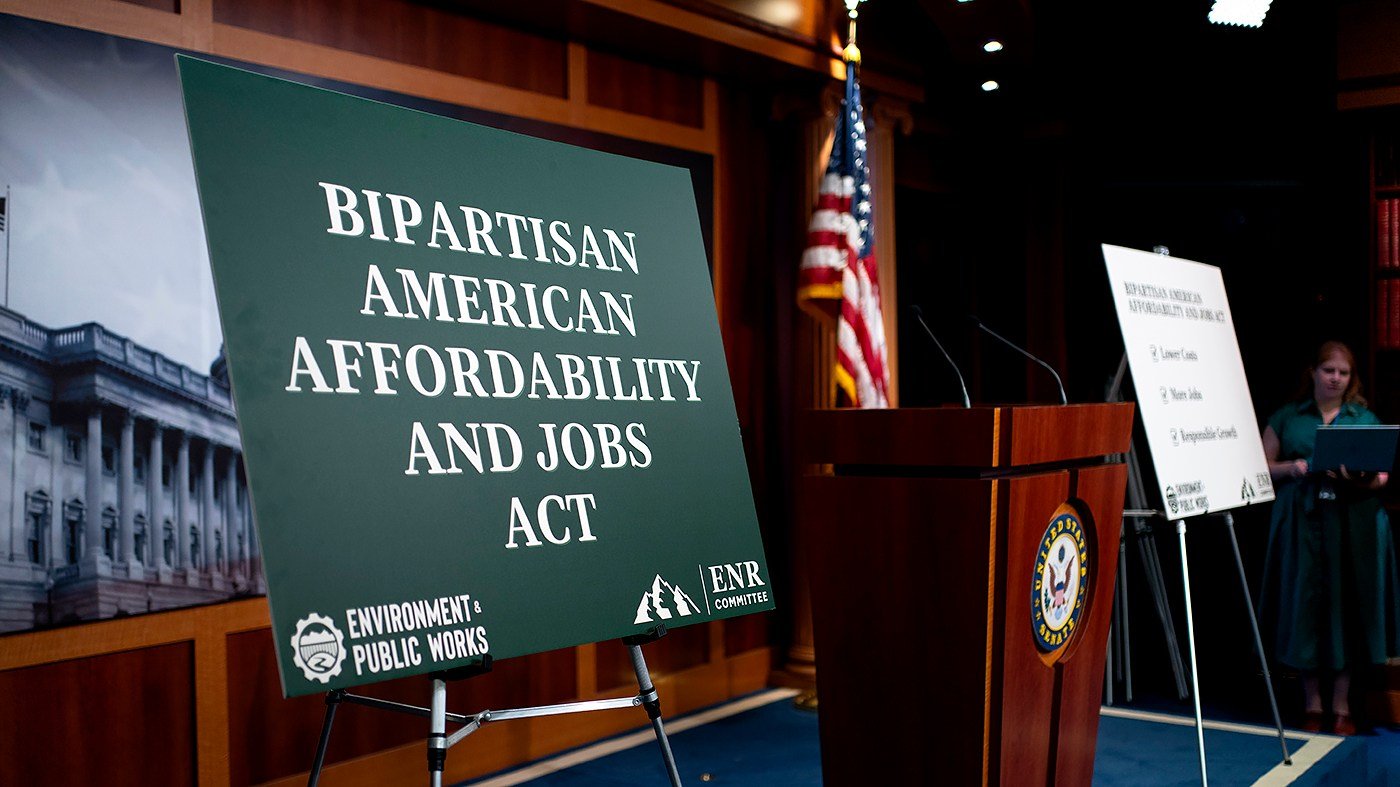
The conference's headline initiative is a voluntary pledge to boost electricity's share of global final energy demand to 35 percent by 2035, a fourfold acceleration from current trends. Inglis, a Republican who represented South Carolina in the House, contends that the U.S. is well-positioned to lead this effort—if it links it to solving the domestic data center dilemma.
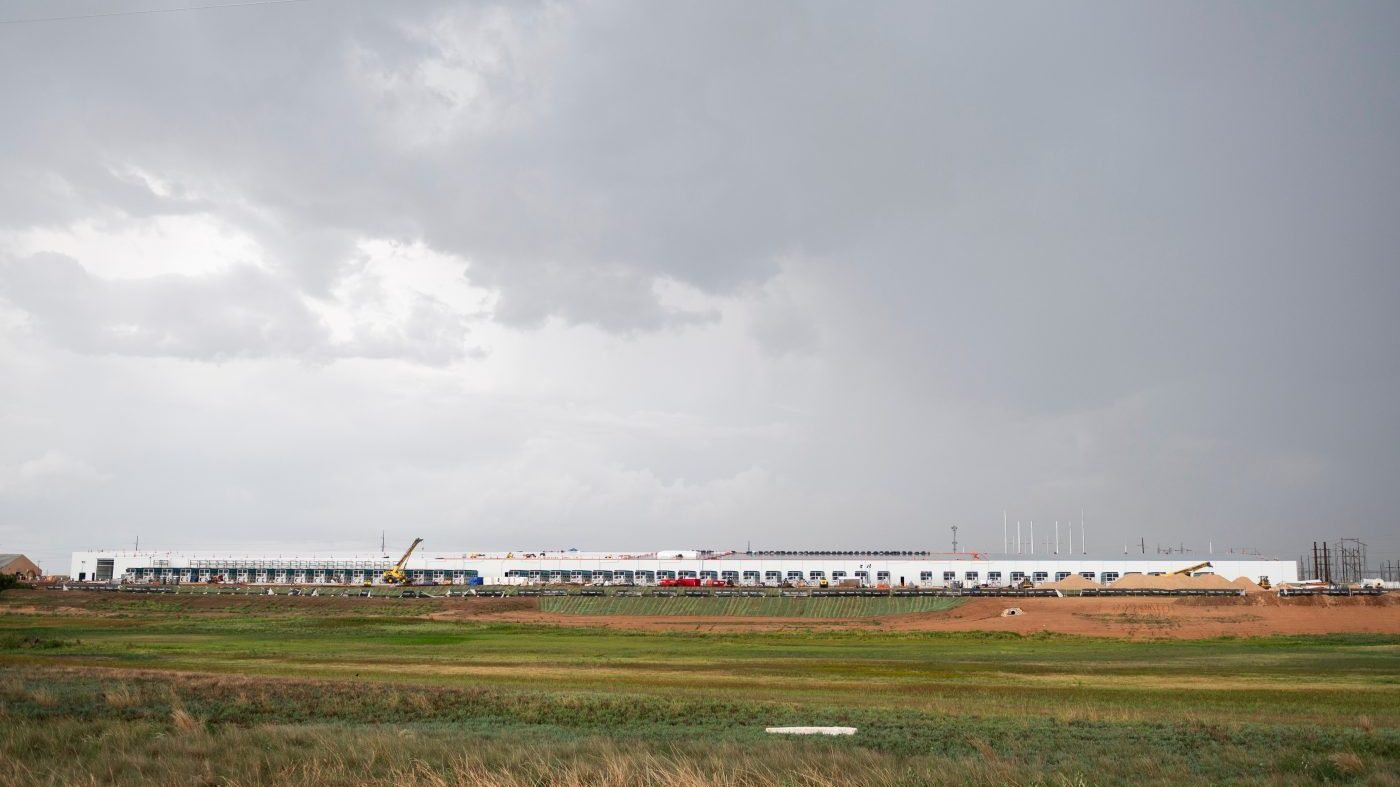
Voters sent a clear message on Nov. 3: they want cheaper energy and stricter oversight of data centers. In a striking display of bipartisan frustration, 41 states had data center restrictions or moratoria on the ballot, and all but one passed. The backlash was so intense that data centers were effectively "smoked" as a political issue, and the backlash is thought to have helped Democrats in Ohio and Texas.
But AI is here to stay, Inglis warns. The choice is whether it becomes an environmental disaster or a catalyst for progress. He frames this as a "Sputnik 2.0 moment," where the U.S. can outcompete China—which is already racing ahead in clean energy—by making data centers sustainable and AI safer.
His prescription: require data center developers to use clean power, recycle water, mitigate noise, and maintain proper setbacks. That would shift the burden of energy costs onto developers, easing fears of rate spikes. And it would create a powerful market signal for innovation in batteries and advanced nuclear.
Inglis draws a parallel to Operation Warp Speed, suggesting the federal government could purchase or guarantee the first small modular reactors. Such a move, he argues, should appeal to Republicans who prioritize national security and economic competitiveness. "National security used to be about F-16s," he quotes a retired Air Force officer. "Now it's about who has the best battery. The country with the best battery wins."
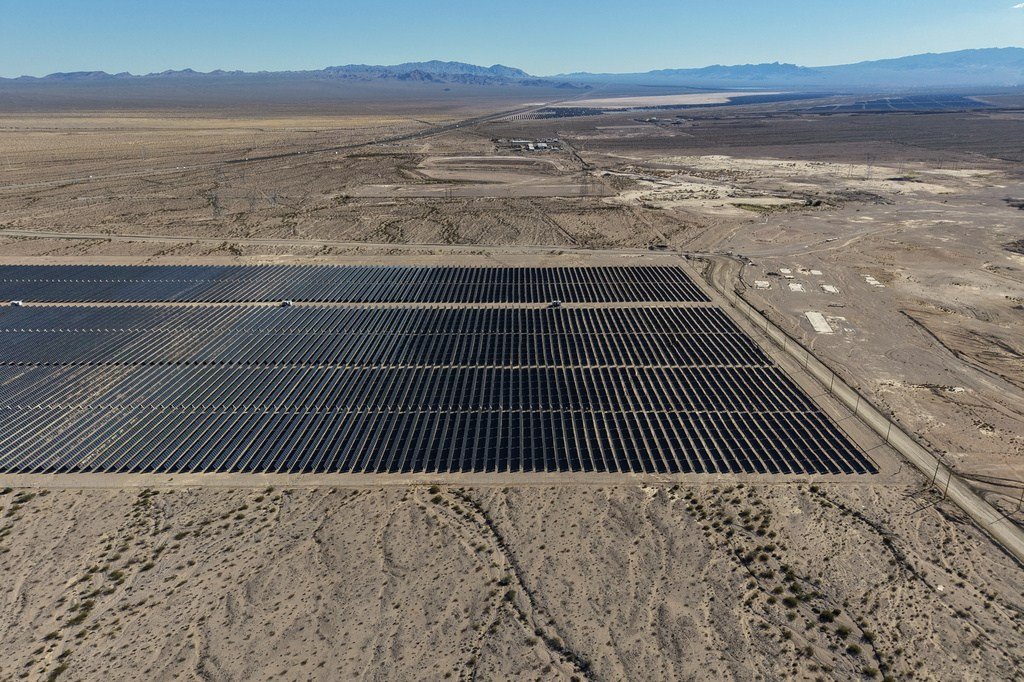
The former lawmaker also calls for heavy investment in battery storage to capture the full potential of solar, wind, and geothermal power. These steps, he says, could herald a Republican rethink—one that shows the party cares about communities, boosts the economy, and reclaims global leadership.
While the U.S. is absent from COP31, Inglis insists it need not be absent from the 35-by-35 goal. He acknowledges that his preferred solution—a revenue-neutral, border-adjustable carbon tax—remains a tough sell in a tax-averse environment. But electrification, he says, offers a pragmatic, forward-looking path that aligns with what voters demanded.
"This is our chance to not let those voters down," Inglis concludes.