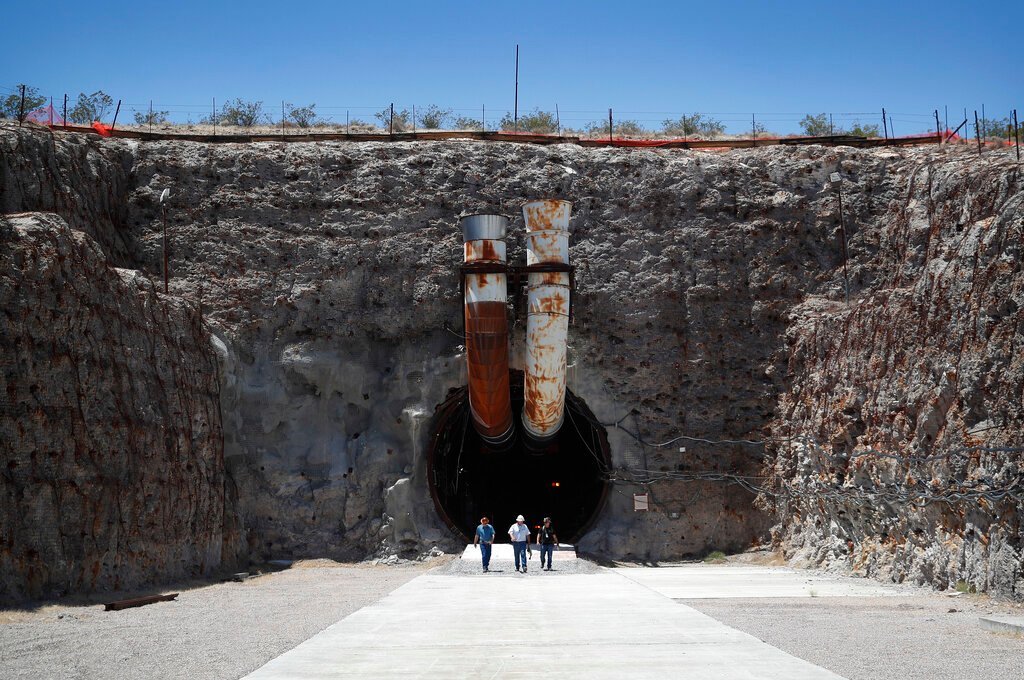
The Trump administration is moving forward with a plan to overhaul the management of used nuclear fuel, signing agreements with five states to explore the creation of "Nuclear Lifecycle Innovation Campuses." These facilities could reprocess spent fuel, host advanced reactors, and potentially dispose of the remaining waste. However, the initiative faces significant legal obstacles, as federal law still designates Yucca Mountain in Nevada as the only permanent disposal site.
Yucca Mountain, often described as a "zombie project," remains on the books but is effectively dead, much like the country's abandoned switch to the metric system. Both are relics of congressional commitments from a different era. Meanwhile, nuclear energy is expanding, driven by demand for clean, reliable power, and the used fuel from existing reactors continues to accumulate at sites across the country, often in dry casks that are safe for decades but remain under 24/7 guard at taxpayer expense.
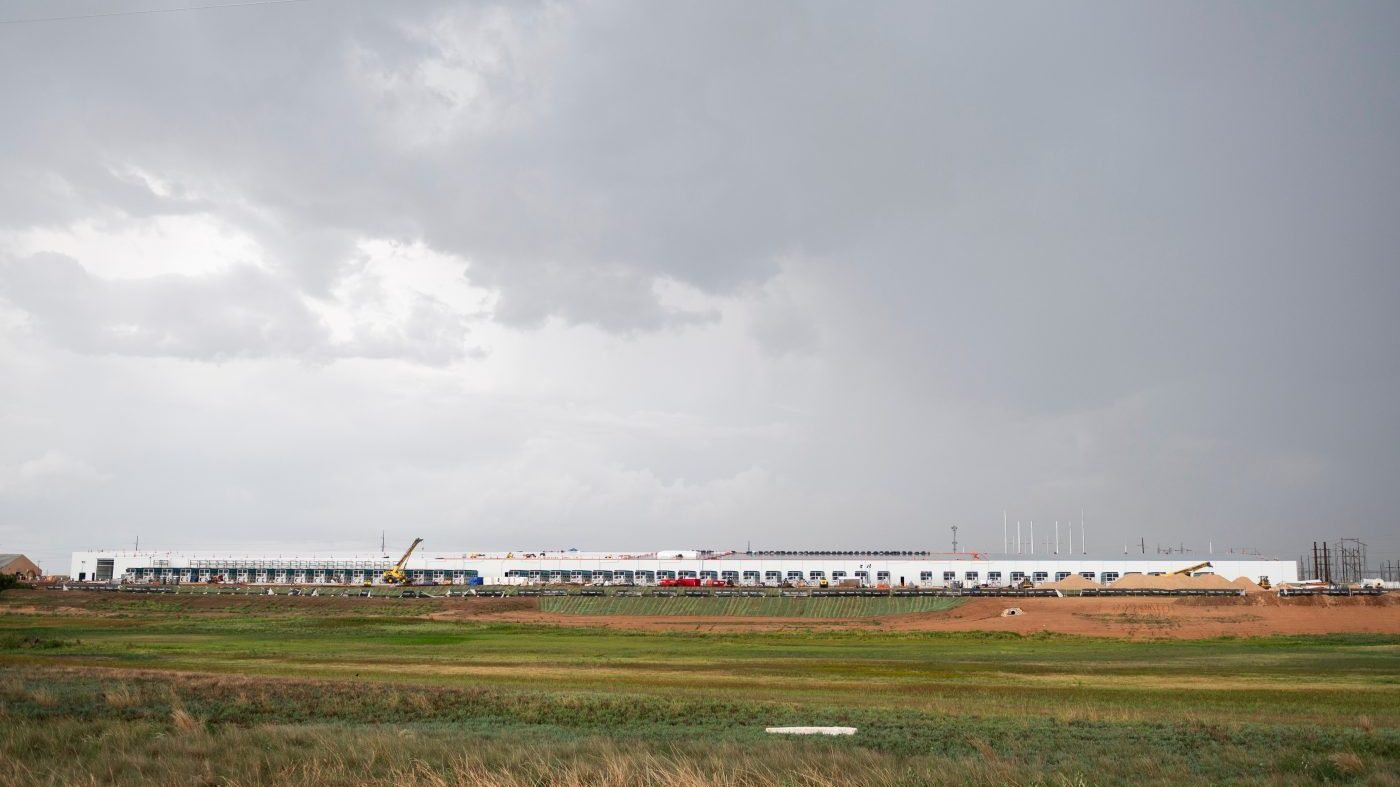
The administration's proposal, outlined in memorandums of understanding with the five states, aims to transform the nuclear waste problem into an economic opportunity. The Department of Energy estimates the campuses could create thousands of jobs and generate billions in economic activity. For sites that take on disposal, incentives could come from the Nuclear Waste Fund, which holds over $50 billion collected from utilities. But the DOE acknowledges that Congress must first amend the Nuclear Waste Policy Act to allow disposal outside Yucca Mountain.
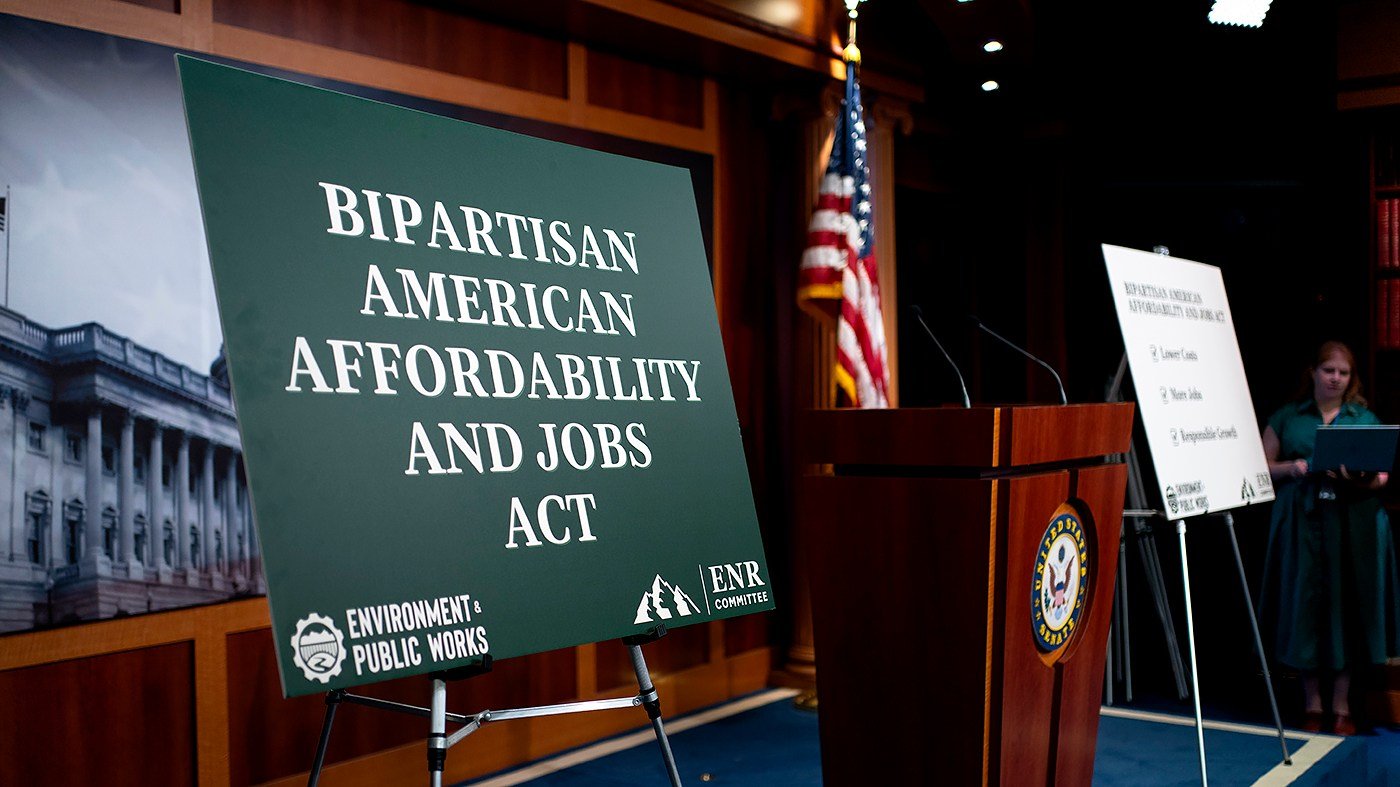
Sen. Shelley Moore Capito (R-W.Va.), chair of the Environment & Public Works Committee, called the campus idea "a good conversation starter" at a recent hearing. The conversation is overdue, given that the government is already paying about $800 million annually in court-mandated damages to utilities for failing to take the waste off their hands. That figure is expected to grow if the stalemate persists.
Nuclear waste remains one of the least understood challenges in energy policy. Critics often overlook that used fuel is easier to manage than the waste from fossil fuels, such as carbon dioxide. The American Nuclear Society and other groups are studying the technical and policy options, but several fundamental changes are needed.
First, the law must be updated to allow other disposal sites. Second, the DOE should be empowered to negotiate agreements with host states. Third, the government should prioritize moving fuel from shut-down reactor sites where it is stored less efficiently. Fourth, research into reprocessing technologies, which date back to the 1940s, should be modernized. Finally, scientifically sound standards for disposal of the remaining material must be established.
Political missteps in the 1970s and 1980s have hampered progress. The decision to focus on direct disposal to prevent weapons proliferation was flawed, as proliferators typically seek other routes. The choice of Nevada as the sole repository also underestimated the power of an unwilling host. By contrast, Finland, Sweden, and Canada are advancing repository projects with willing hosts, proving that the technical and political challenges can be overcome.
The administration's plan is a step toward resolving a decades-long impasse, but it will require sustained political will and bipartisan cooperation. As policymakers weigh the future of nuclear energy, the used fuel issue can no longer be ignored. The stakes are high, but so are the potential rewards for communities and the nation as a whole.