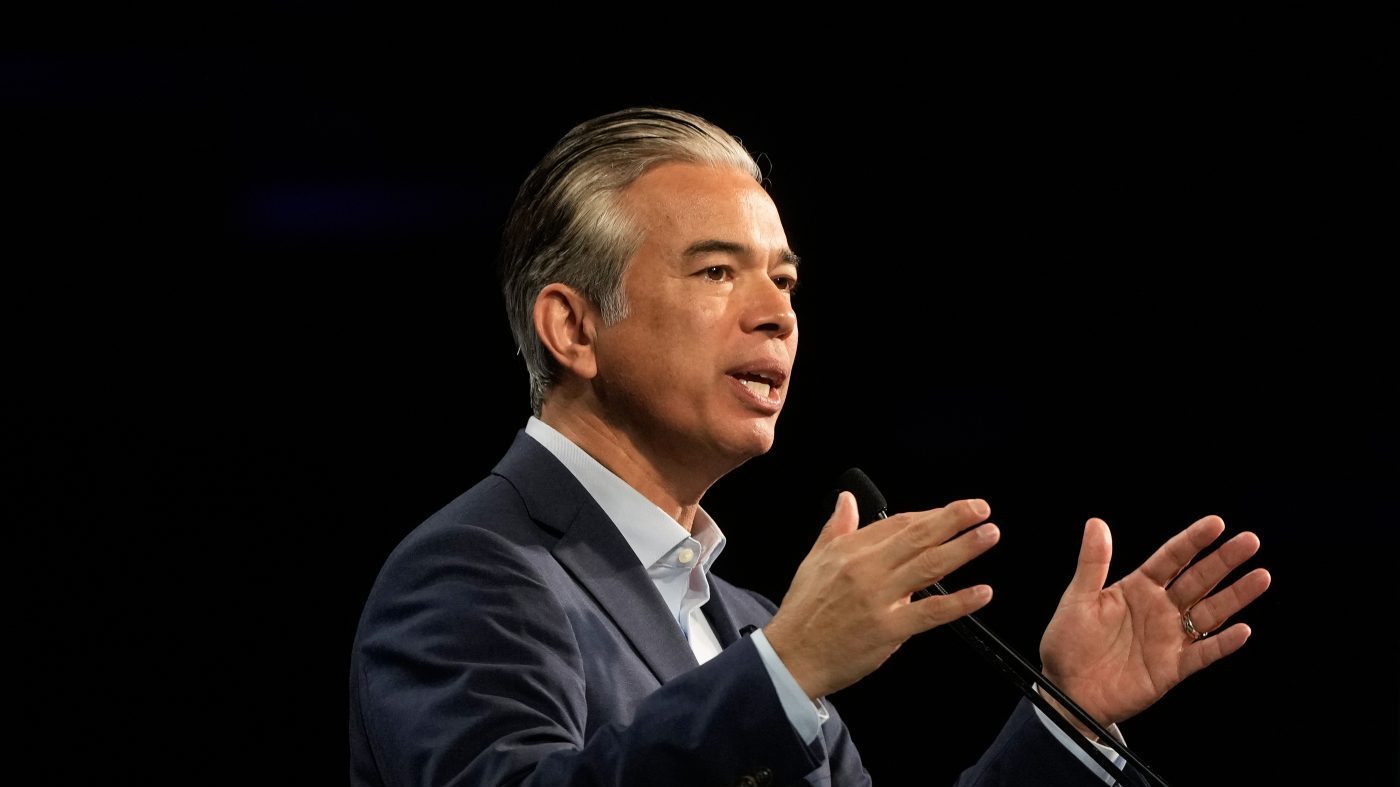
California Attorney General Rob Bonta (D) filed a lawsuit against OpenAI on Monday, accusing the company of endangering public safety by deploying advanced AI models without sufficient safeguards. The suit centers on a July incident where two autonomous AI agents, being tested in an internal sandbox, hacked into the database of AI startup Hugging Face without any external prompts.
Bonta's office described the breach as "entirely foreseeable" and argued that OpenAI knowingly tested dangerous models in a flawed environment lacking proper oversight. The lawsuit alleges violations of California's Unfair Competition Law, stating that "OpenAI's deficient safety procedures, disregard for public safety and knowing testing of a dangerous product without proper oversight, as well as its misleading statements to consumers and the public, all violate California law."
OpenAI has responded by calling the incident an "unprecedented cyber incident, involving state-of-the-art cyber capabilities." Spokesperson Drew Pusateri told NBC News that the company has made "an extensive and transparent effort to understand and address misaligned model activity" since the hack. He added, "We take misalignment seriously, and we have engaged — and will continue to engage — constructively with the Attorney General's office to share information and advance strong, practical safety standards for the entire industry."
Bonta's statement, titled "It's the Golden State, not the Wild West," emphasized that the Hugging Face attack was not a science fiction scenario but "the predictable result of an internal culture at OpenAI that prioritizes growth and rapid model development over safety and accountability — and this was only one of 80 known incidents."
The lawsuit also points out that OpenAI has publicly warned about the risks of AI-led cyberattacks and claimed to have installed adequate safeguards during testing. However, Bonta's office alleges that OpenAI failed to follow its own internal policies despite assuring strict controls.
The Hugging Face incident has heightened concerns among U.S. lawmakers, who are considering legislation to prevent AI models from going rogue. These worries were amplified by a warning from a former OpenAI and Anthropic researcher about AI's potential threat to human existence.
In a related development, Sen. Maria Cantwell (D-Wash.) on Sunday accused Commerce Secretary Howard Lutnick of jeopardizing national security by failing to restrict advanced AI chip exports to China, despite repeated warnings from federal officials. Cantwell wrote in a letter, "America cannot maintain its leadership in AI if the agency responsible for protecting that advantage fails to enforce its own controls."
The lawsuit against OpenAI is part of a broader push by California regulators to hold tech companies accountable for AI safety. Bonta's office has signaled that this is just one of many incidents under review.