As pump prices finally ease across the country after months of conflict-driven spikes, a leading petroleum analyst says the White House could have delivered relief much sooner by moving earlier to defuse tensions with Iran.
Patrick De Haan, head of petroleum analysis at GasBuddy, said in a social media post Sunday that President Trump's decision to engage in negotiations with Tehran rather than escalate the war was welcome, but that the administration's prolonged uncertainty over the conflict needlessly extended the period of high fuel costs.
“Had Trump chosen to make a deal with Iran or improve the geopolitical tensions earlier, gas prices would’ve declined earlier,” De Haan wrote on X, responding to a user who credited the president for the recent drop.
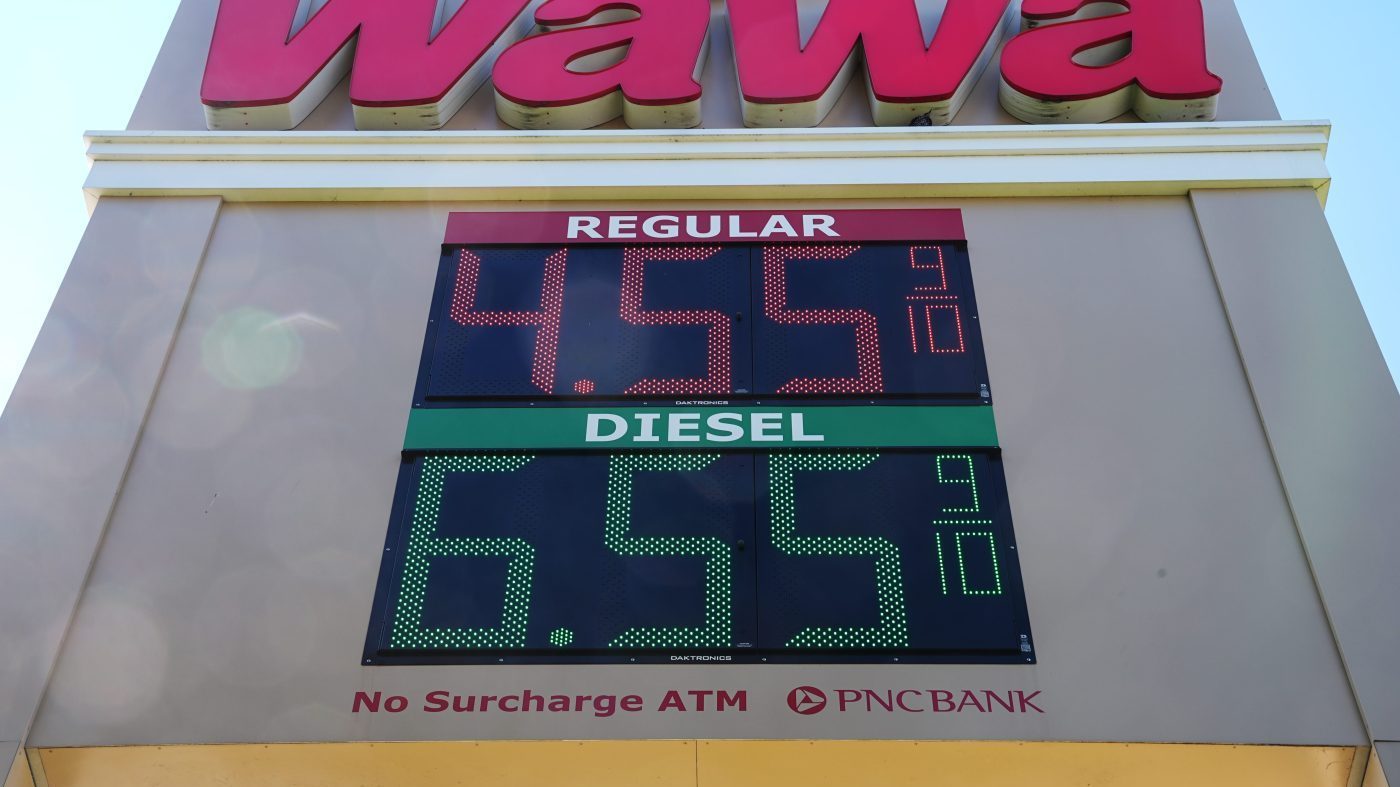
The national average for regular gasoline stood at $3.81 per gallon on Monday, according to AAA, while diesel averaged just under $6 per gallon for the first time since September. Those figures remain elevated compared with pre-war levels, but mark a notable retreat from the record highs seen around Election Day.
Earlier this month, gas prices hit an all-time high for a midterm Election Day, averaging $4.12 per gallon nationally, with diesel at $6.28 per gallon, according to GasBuddy data cited by De Haan.
De Haan acknowledged that Trump's signal earlier this month that he would not escalate the war after recent negotiations helped bring prices down, alongside state gas tax suspensions and seasonal trends. But he argued that the administration's failure to resolve the Iran standoff sooner kept prices artificially high for months.
“[I]f the Iran situation had been resolved months and months ago prices would have fallen far earlier,” he wrote. “[B]y extending the uncertainty over Iran/Strait, high gas prices were extended.”
The political fallout from the war was a central issue in the midterms, with both Trump and Vice President Vance acknowledging that high energy costs contributed to the Republican losses. The administration's handling of the conflict and its economic consequences has become a key fault line, as Democrats prepare to take control of Congress.
De Haan's “America's Added Fuel Cost Clock,” which tracks extra spending on gasoline and diesel since the war began, estimates the total at roughly $159 billion compared with the same period last year. That includes nearly $96 billion in additional gasoline costs and more than $63 billion in diesel expenses.
While the recent decline offers some relief, analysts caution that prices remain vulnerable to any renewed escalation in the region. The administration's next moves on Iran, including potential sanctions relief or diplomatic agreements, will be closely watched for their impact on global oil markets and American households.
For now, the White House is touting the drop as evidence that its strategy is working, but critics—including De Haan—say the delay in pursuing diplomacy came at a steep cost to consumers. As the new Congress convenes, energy policy and the administration's handling of the Iran file are expected to remain major political battlegrounds.