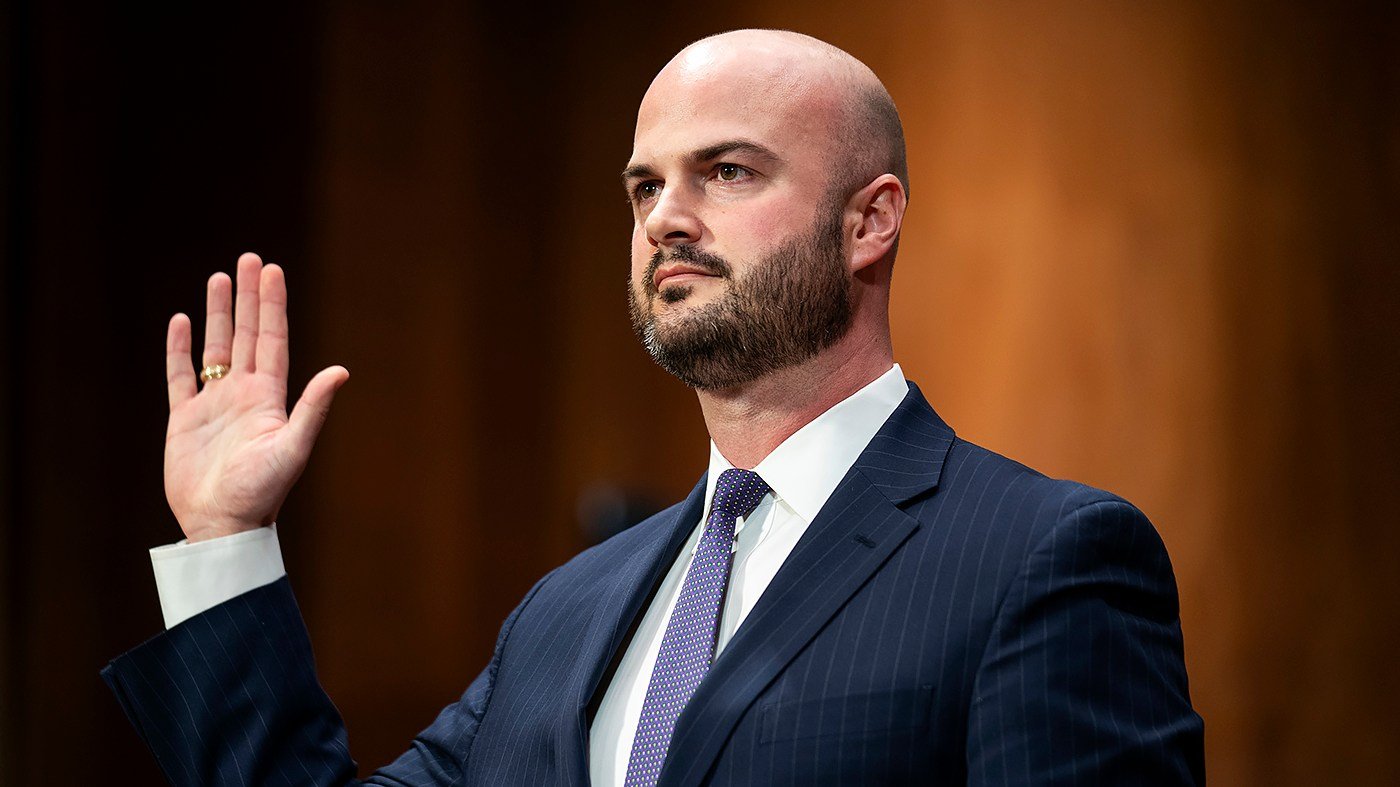
Senate Democratic Leader Charles Schumer (N.Y.) is facing a rare leadership challenge from the left as Sen. Chris Van Hollen (D-Md.) mounts a bid to unseat him. The contest comes on the heels of a sweeping midterm victory for Democrats, but it has laid bare fissures within the caucus over strategy and priorities.
Van Hollen, a former House member and ranking Democrat on the Budget Committee, has positioned himself as a more progressive alternative to Schumer, arguing that the party must be bolder in confronting Republican obstruction and delivering on economic populism. His campaign has gained traction among some younger senators and outside progressive groups, who see Schumer as too willing to compromise with corporate interests.

Schumer, who has led Senate Democrats since 2017, is counting on his record of steering major legislation through a narrowly divided chamber, including the Inflation Reduction Act and bipartisan infrastructure package. His allies point to his fundraising prowess and institutional experience as assets that Van Hollen cannot match.
“Chuck has the support of the vast majority of the caucus,” said a senior Democratic aide familiar with internal whip counts. “Van Hollen is a respected colleague, but this is not a close race.”
Yet Van Hollen’s backers dispute that assessment, noting that several uncommitted senators are weighing the challenge seriously. They argue that the midterm results—while a victory—were driven by voter anger over abortion rights and threats to democracy, not by Schumer’s leadership.
The leadership contest is unfolding as Democrats prepare to take control of the Senate agenda in January. The Hill’s editors and Senate reporter Alexander Bolton will handicap the race in a live discussion at noon EDT, also covering the upcoming legislative calendar and fallout from the Federal Aviation Administration’s ground stoppage.
Van Hollen has sought to frame the race as a choice between incrementalism and transformative change. He has also criticized Schumer for what he calls a “top-down” approach to legislating, arguing that rank-and-file members should have more input.
Schumer’s camp, meanwhile, has dismissed the challenge as a distraction. They have highlighted his success in unifying the caucus on key votes and his ability to negotiate with Republicans when necessary. A recent whip count from Schumer’s team predicted he would secure at least 40 votes in the 51-member caucus.
The race also has implications for the broader Democratic agenda. A Van Hollen victory would likely shift the party’s posture toward more aggressive use of budget reconciliation and a harder line against Republican demands. It could also embolden progressives who have chafed at Schumer’s willingness to trim progressive priorities to win moderate support.
Some observers see the challenge as part of a larger generational and ideological shift within the party, similar to the endorsement Van Hollen received from former Maryland Governor Martin O’Malley. Others note that Schumer’s allies are working to counter the narrative by highlighting his recruitment of successful candidates in swing states, such as Mississippi’s Brandon Colom.
The leadership vote is expected to take place when the new Congress convenes. Until then, both candidates are expected to make their cases to colleagues in private meetings and conference calls. The outcome will shape the party’s legislative strategy for the next two years, including potential fights over government funding, voting rights, and judicial nominations.
As the race heats up, the Schumer camp has predicted a comfortable margin, but Van Hollen’s team insists that support is softer than it appears. “This is going to be a real contest,” said a Van Hollen aide. “Senators are listening.”