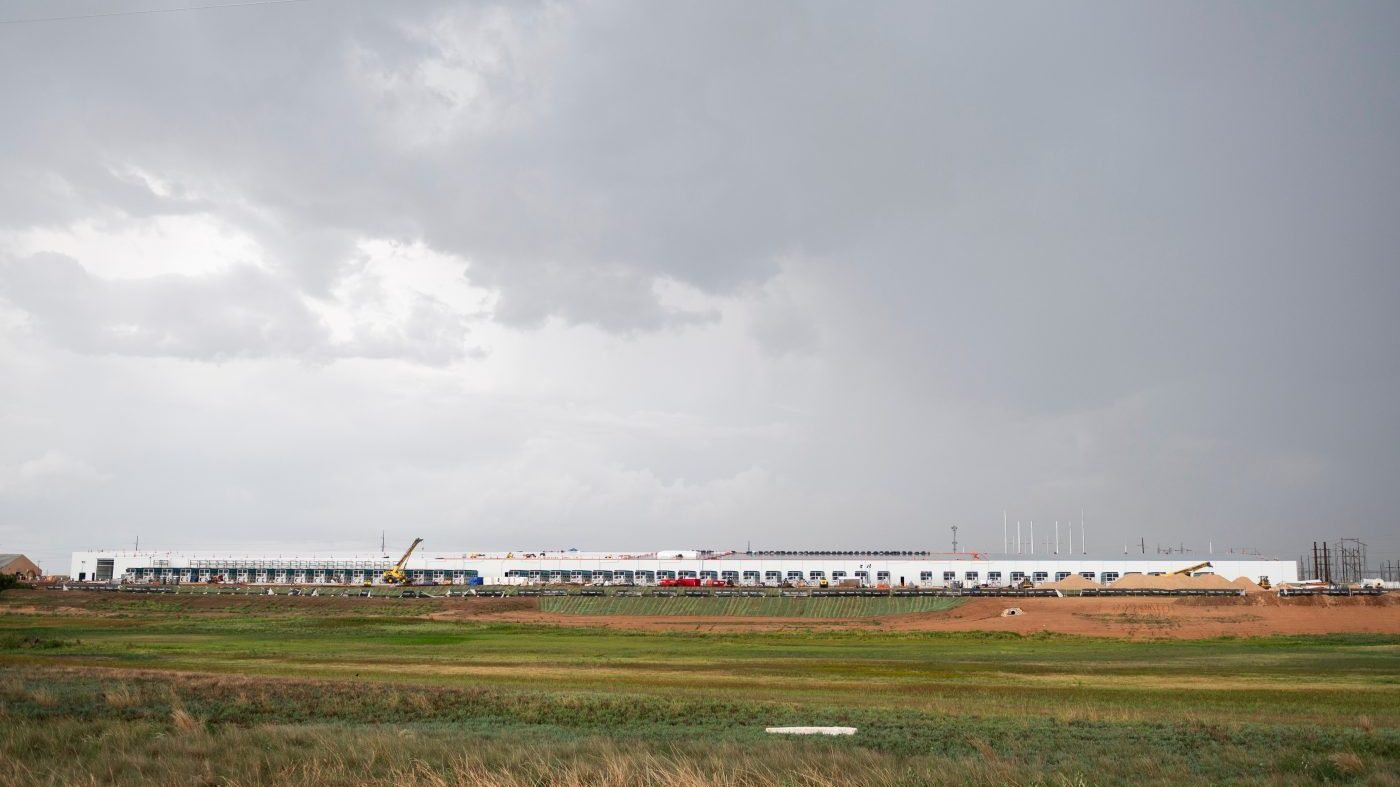
A new Harvard University analysis has found that the 403 largest hyperscale data centers in the United States generated more greenhouse gas emissions last year than the entire nation of Denmark. The study, which modeled electricity consumption from May 2024 through April 2025, estimates that these facilities consumed between 68 and 99 terawatt-hours of electricity, depending on their operational intensity.
That demand represented roughly 1.8 percent of total U.S. electricity consumption and produced an estimated 25.7 million metric tons of carbon dioxide. The researchers noted that their estimate is two to three times higher than a comparable 2018 figure, underscoring the sector's rapid growth.
The study also found that fossil fuels supplied 54 percent of the electricity powering these data centers, with natural gas accounting for 30 percent and coal 15 percent. A key concern raised by the authors is geography: many facilities are concentrated in regions where the grid relies heavily on coal-fired generation.
Four states—Virginia, Ohio, Oregon, and Iowa—accounted for more than half of the electricity use analyzed. The concentration of data centers in these areas has intensified local debates over grid strain and emissions.
“What we’re seeing is already striking, but it’s only a snapshot of a rapidly expanding industry,” lead author Gianluca Guidi, a postdoctoral fellow at Harvard, said in a press release. “The data center boom hasn’t slowed down since our study period ended in April 2025. That means the electricity use and carbon footprint we’re reporting could already be substantially larger now in 2026.”
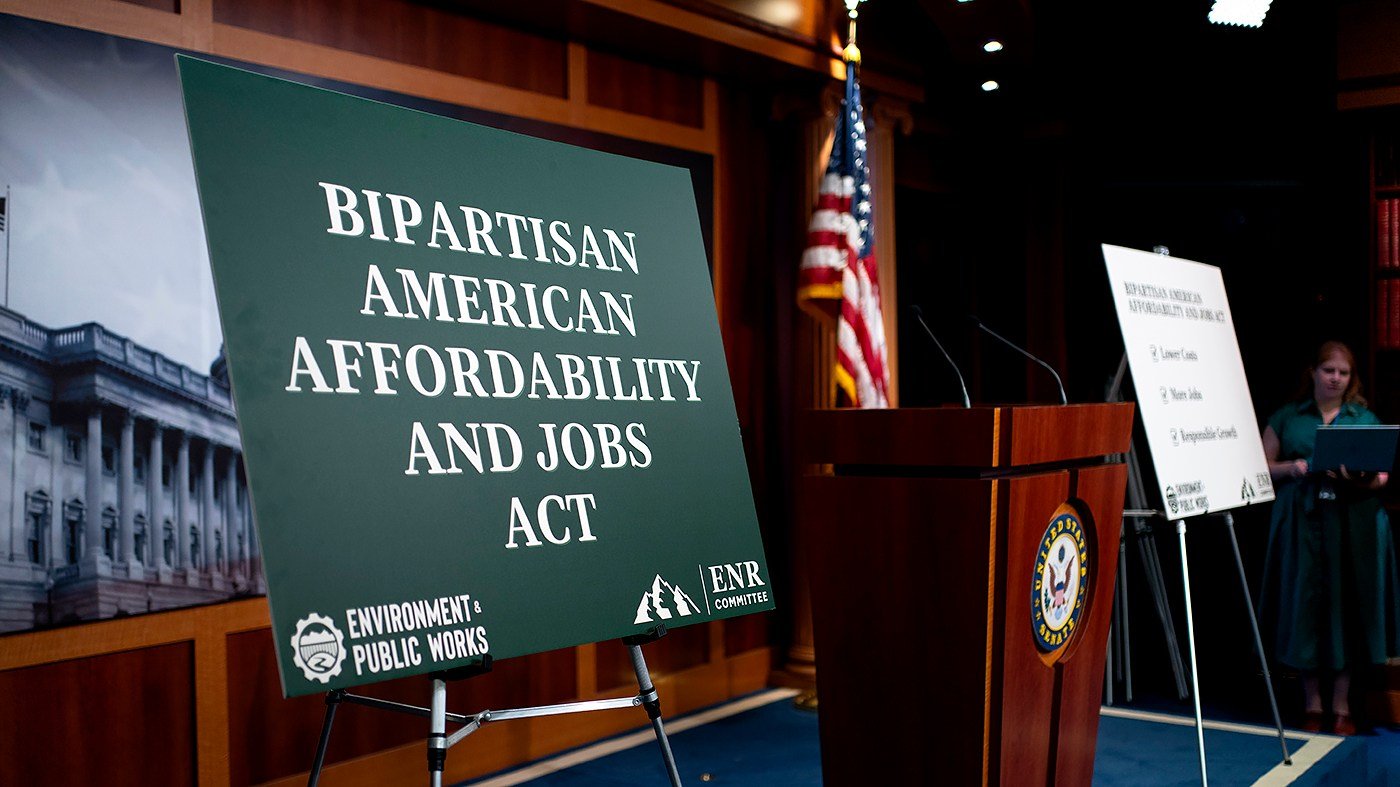
The findings land in the middle of a widening political fight over data center expansion. Senator Josh Hawley (R-Mo.) called on the Senate in November to pass a moratorium on new data center construction, while some of his Democratic colleagues have pushed for greater developer accountability. Meanwhile, a bipartisan group—Sens. Shelley Moore Capito (R-W.Va.), Mike Lee (R-Utah), Sheldon Whitehouse (D-R.I.), and Martin Heinrich (D-N.M.)—has introduced legislation aimed at accelerating data center infrastructure buildout, but with a requirement that developers pay more for their electricity use. They hope to bring the measure to a vote during the lame-duck session in November.
The debate over data centers has also become entangled with broader questions about energy costs and grid reliability. Recent studies have shown that data centers aren't the main driver of rising power bills, but the sector's rapid growth continues to draw scrutiny from lawmakers on both sides of the aisle.
As the Trump administration and Congress weigh competing proposals, the Harvard study adds new ammunition to arguments that the industry's environmental footprint is expanding faster than policymakers can address. With the data center boom showing no signs of slowing, the emissions trajectory could complicate U.S. climate goals and intensify local battles over siting and energy sourcing.
Some Democrats have warned that fast-tracking permits without robust environmental safeguards could backfire. As one recent analysis put it, Democrats risk ceding ground on AI data centers if they prioritize speed over sustainability. The coming lame-duck session will test whether Congress can forge a bipartisan path that balances economic competitiveness with climate responsibility.