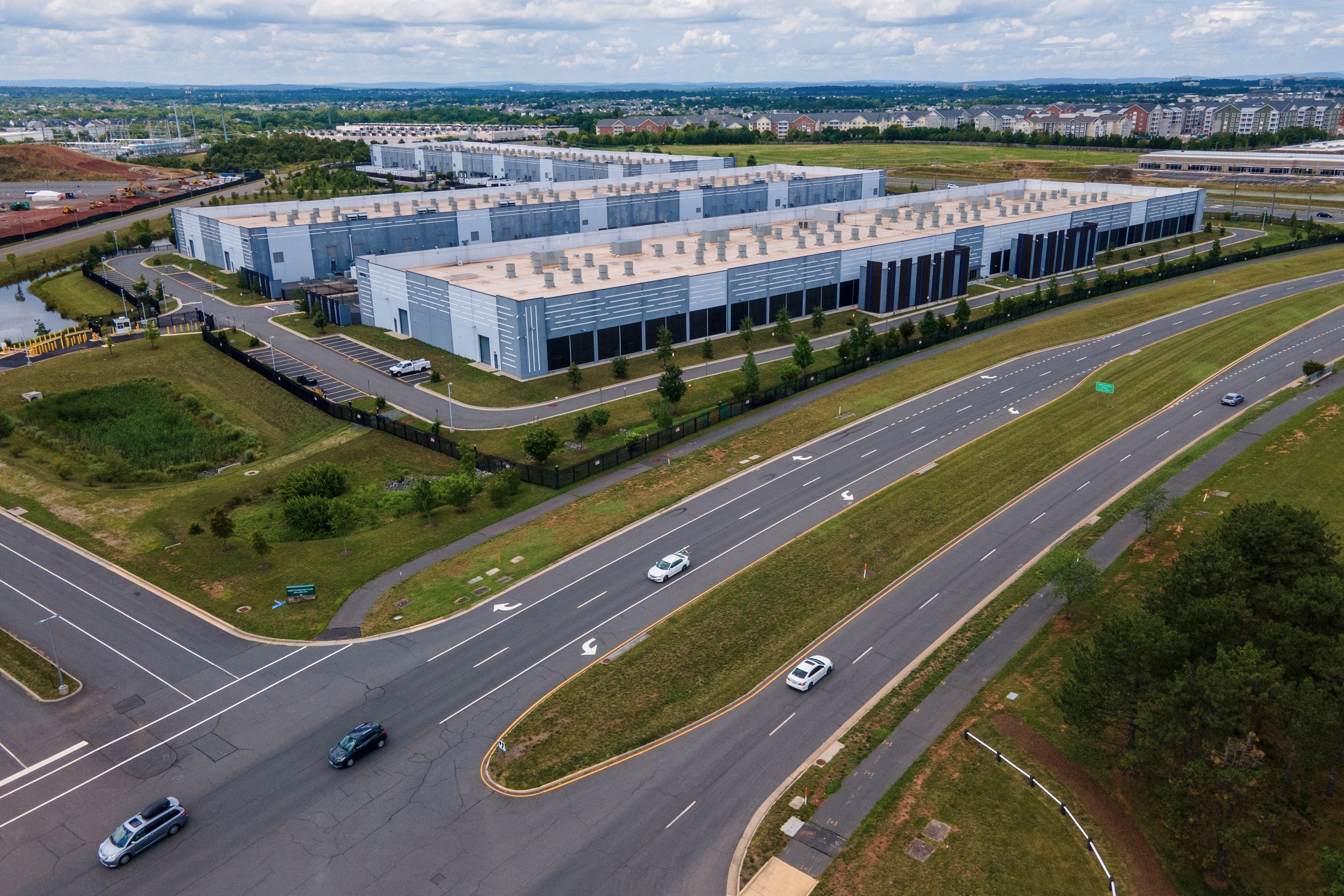
Political campaigns on both sides have seized on data centers as a culprit for soaring electricity bills, but the best available research suggests the rage is largely misplaced. A Gallup survey from March found that 70% of Americans oppose an AI data center in their community, a higher share than the 53% who would object to a nuclear power plant. The irony is that the real threat to ratepayers may not be the servers themselves but the way utilities and regulators handle the associated costs.
Studies through 2024 consistently show that data centers explain only a small fraction of residential rate increases. A working paper from Wharton and Harvard Business School attributes just 4% of the rise from 2020 to 2025 to new data centers. MIT researchers put the residential effect at 2.1% for 2010 through 2024. Even more striking, an EPRI working paper found that a doubling of a state's data center capacity was actually associated with a 3.5% drop in residential electricity prices—because more users spread fixed grid costs more thinly.

That doesn't mean data centers have no impact. In PJM Interconnection, the nation's largest regional transmission organization, data center load added $23.1 billion in costs across the last three capacity auctions. But of the $6.5 billion linked to data centers in December's auction, about $6.2 billion traced to facilities not yet built. Customers are effectively paying for hypothetical buildings, a risk allocation failure that regulators are beginning to address.
The real drivers of rate hikes are more mundane. Berkeley Lab's review of 2019 through 2024 points to inflation-adjusted distribution spending rising 35%, and in California, the big three utilities were authorized to recover $27 billion in wildfire costs—growing from 1.7% of their revenue requirement in 2019 to 17% by mid-2024. California's residential prices rose nearly 40% over that stretch, despite only modest data center growth. The state's failure to manage timber and brush is a far bigger factor.
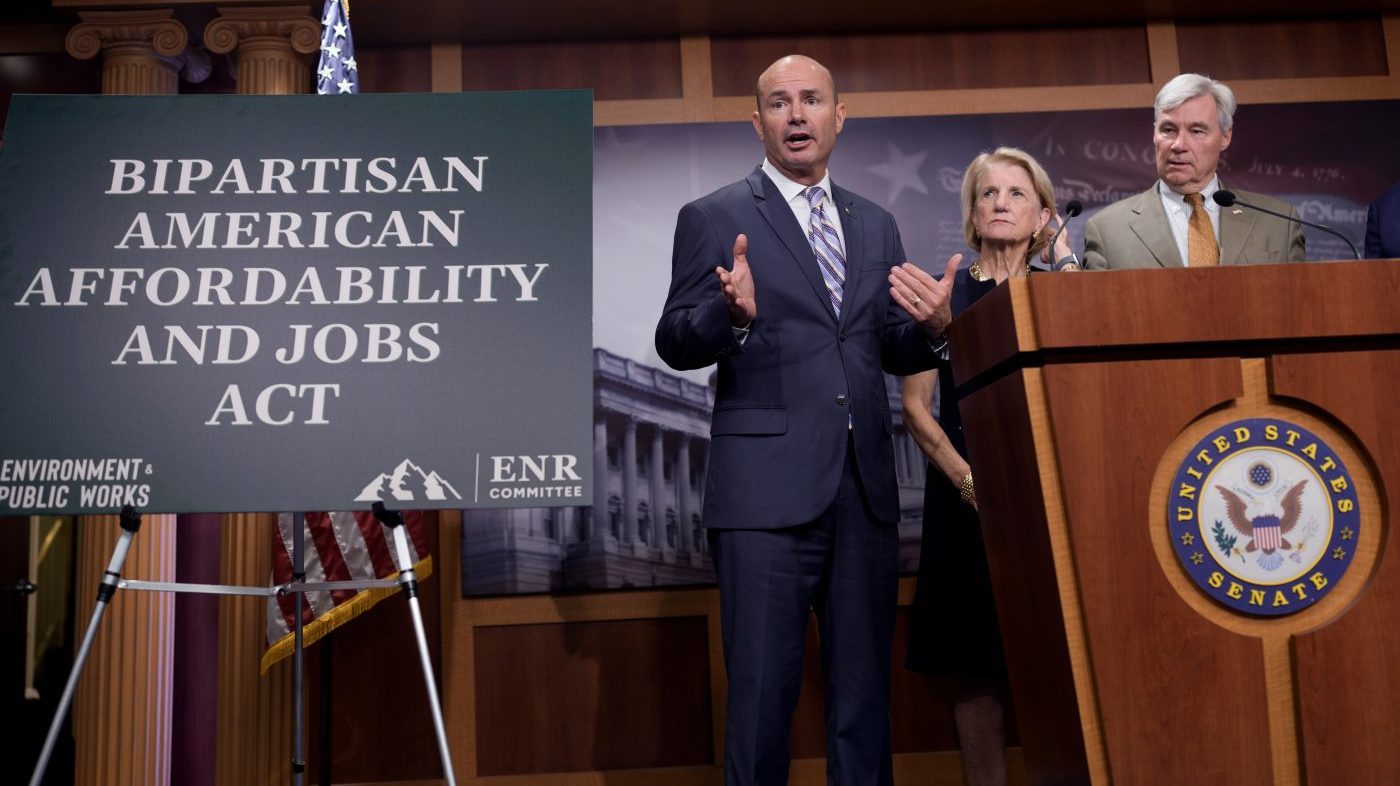
Politicians have nonetheless made data centers a wedge issue. Texas Democrat James Talarico claimed they are jacking up utility bills, while his Republican opponent, Attorney General Ken Paxton, proposed his own plan. New York froze permits for new large data centers for up to a year. But as the fast-track permitting debate shows, the politics are ahead of the evidence.
The fix is old-fashioned contract discipline. Ohio regulators now require large new data centers to pay for at least 85% of subscribed capacity for up to 12 years, with collateral behind the promise—up from a 65% minimum billing floor. Virginia's new large-customer class, starting January 1, 2027, demands 14-year commitments and minimum payments on 85% of transmission and distribution demand and 60% of generation. Wisconsin regulators required the largest data centers to fund 100% of the generation resources built to serve them. In private credit, that's called “take-or-pay.”
Washington's Ratepayer Protection Pledge, signed March 4 by seven tech companies, points the same way, but it is voluntary. A pledge becomes protection only when a utility commission writes it into a tariff. Meanwhile, PJM's market monitor counts a 6,520 megawatt gap in the 2027-2028 auction and wants a separate capacity auction for data center load, open only to new generation.
Supply is the other half of the equation. Nuclear belongs in the mix on a 2030s clock: Google's deal with Kairos Power targets 500 megawatts by 2035, and the Energy Department is cost-sharing up to $800 million for reactors under construction for the Tennessee Valley Authority and Holtec Government Services. Blanket moratoria, however, may forfeit the cost-spreading effect researchers found and do nothing about the supply gap.
As Socrates reportedly said, the only evil is ignorance. Aung San Suu Kyi put it differently: “It is not power that corrupts but fear.” So don't just get mad about data centers. Ask your commission whether there is a large-load tariff, what is being built in your area, and who is carrying the risk. Fear the stranded cost, but welcome the technology.