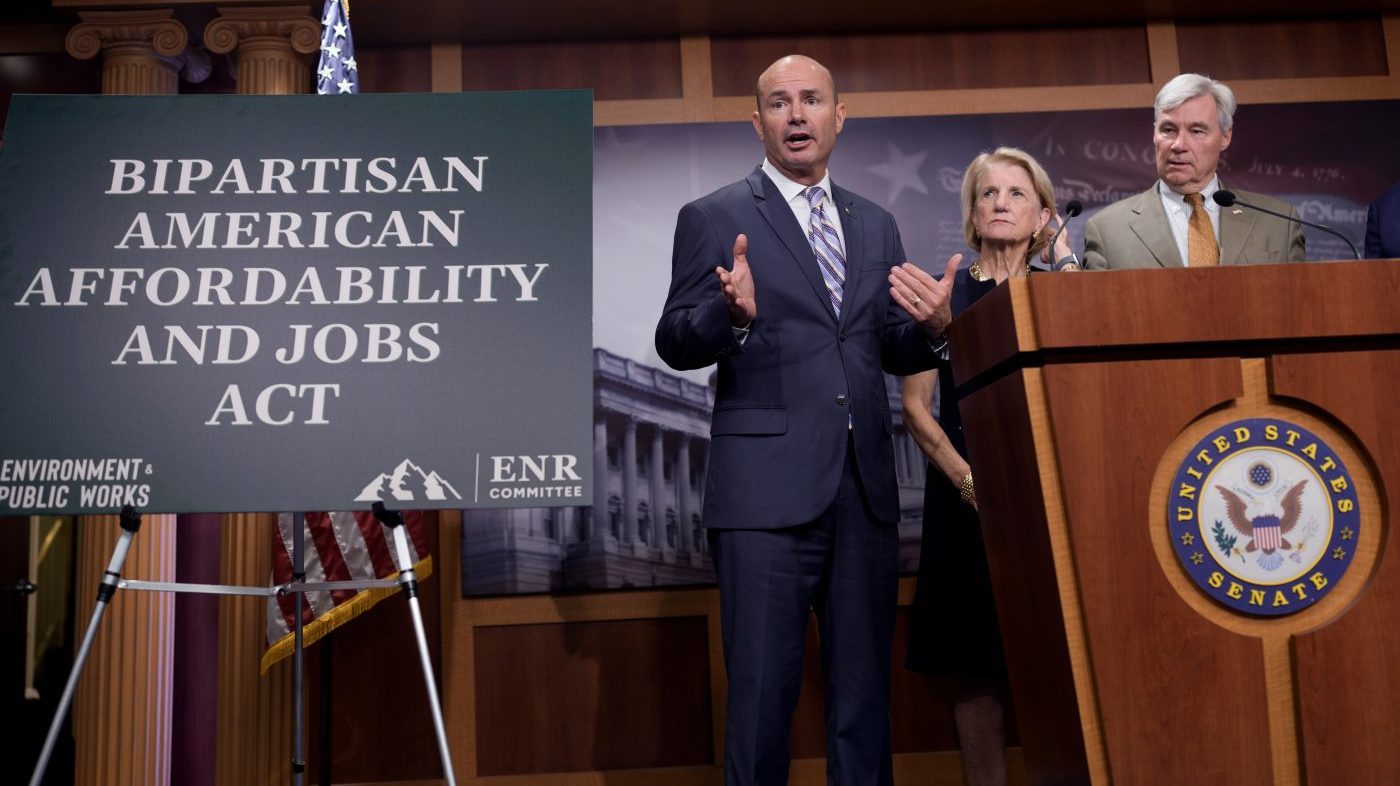
The Senate on Tuesday night cleared a key procedural hurdle for a bipartisan energy permitting bill, voting 62-21 to move the legislation forward. The measure, which aims to accelerate the construction of energy infrastructure and other projects by limiting environmental reviews, now heads to an amendment process before a final vote in the upper chamber.
Just a day earlier, the bill passed a similar procedural vote 73-25, demonstrating broad support for the compromise negotiated between Democrats seeking to expand renewable energy and Republicans pushing for more fossil fuel development and fewer regulatory hurdles. The White House has signaled its backing, although President Trump reiterated Monday that he would not approve any wind projects and cautioned that the legislation remains subject to further negotiations.

The vote margin suggests the bill retains sufficient backing for now, even as both supporters and opponents call for changes. Several Democrats have raised concerns about the bill's treatment of the National Historic Preservation Act, arguing that it would fail to give tribes adequate input on projects affecting their lands. These lawmakers are seeking tweaks to the language before final passage.
House Energy and Commerce Committee Chairman Brett Guthrie (R-Ky.) told Politico on Tuesday that he wants to alter provisions aimed at easing the buildout of electric transmission lines. That section is considered crucial to securing Democratic support, as it would help modernize the grid to accommodate more renewable energy sources.
The legislation's ultimate fate remains uncertain. Progressive House Democrats have vowed to oppose it, and the absence of members due to the post-midterm transition adds an unpredictable element. The bill's path in the House could hinge on whether leaders can address the concerns of both centrists and progressives.
Senate Majority Leader Chuck Schumer has prioritized the bill as a rare opportunity for bipartisan action on energy policy. The amendment process is expected to be contentious, with lawmakers from both parties seeking to reshape the measure to better reflect their priorities.
Meanwhile, the broader political landscape remains fluid. Some Democrats worry that the party risks ceding ground on fast-track permitting for data centers and other projects, while Republicans see an opportunity to claim a win on deregulation. The bill's success could also influence upcoming leadership battles, as seen in the House GOP's internal disputes over rule reforms.
If the Senate passes the bill, it will move to the House, where Speaker Mike Johnson will face pressure from both conservative and moderate factions. The White House's support could provide cover for Republicans, but progressive opposition may complicate a floor vote.
The legislation represents a significant attempt to streamline approval for major infrastructure projects, a goal long sought by business groups and energy developers. However, environmental advocates warn that curtailing review processes could harm communities and ecosystems, setting up a potentially contentious final debate.