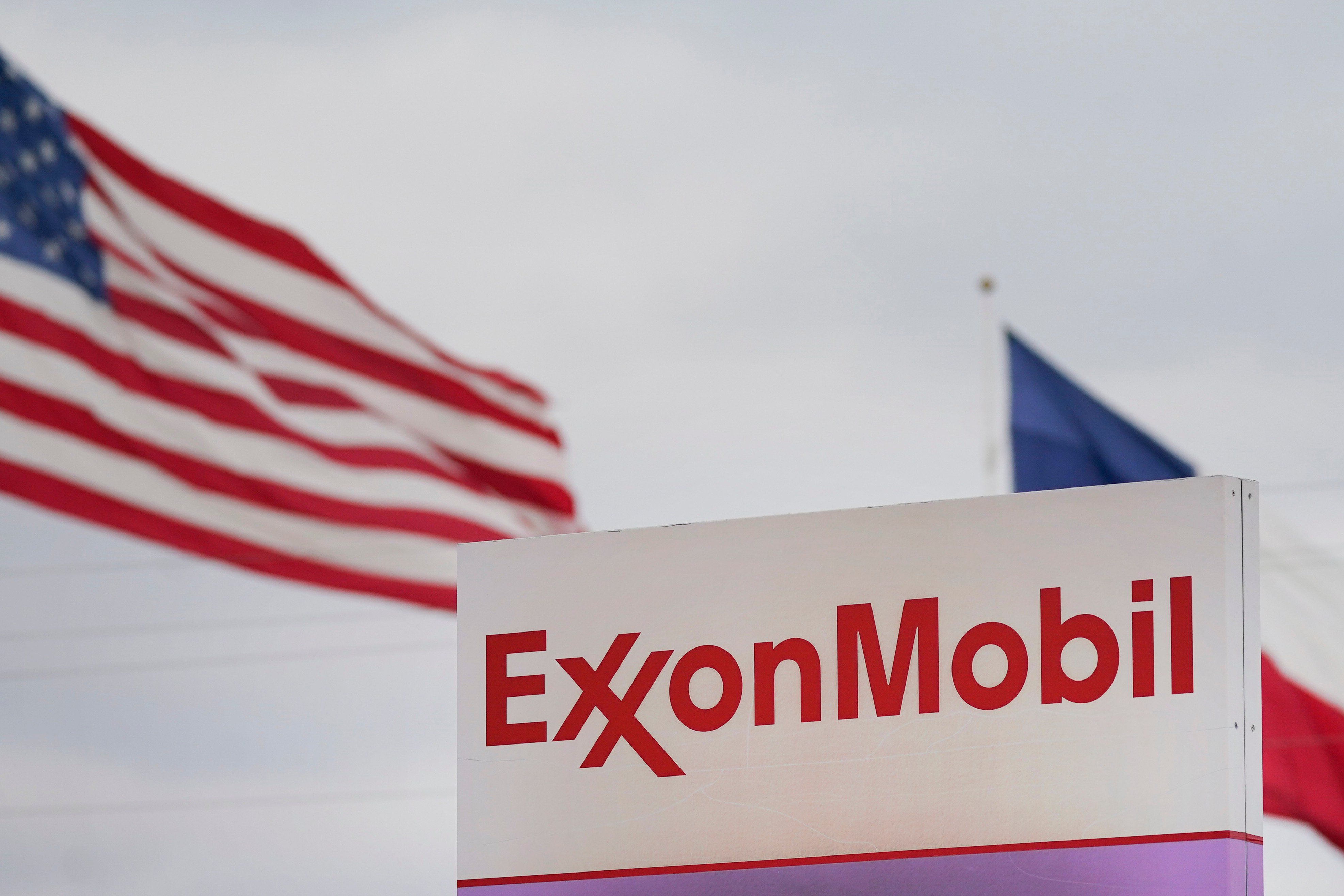
ExxonMobil has taken a significant step toward re-entering Venezuela's oil sector, signing a memorandum of understanding with the South American nation to assess potential drilling opportunities. The move marks a notable shift for the U.S. energy giant, which exited the country in 2007 during Hugo Chavez's nationalization campaign.
In a statement, an Exxon spokesperson confirmed the agreement, saying, "We welcome the opportunity to evaluate potential upstream opportunities with the Venezuelan government and PDVSA," referring to Venezuela's state-owned oil company Petróleos de Venezuela. The spokesperson added that the memorandum is "a meaningful first step," but stressed that "any future investment would require stable policies, clear regulations, strong investment protections and competitive returns." No further details were provided.
The announcement comes just months after Exxon CEO Darren Woods described Venezuela as "uninvestible" under current conditions, highlighting the dramatic change in tone. The memorandum stops short of a full commitment, but it aligns with President Trump's efforts to encourage U.S. companies to invest in Venezuela's oil industry following the U.S. military intervention at the start of the year.
Exxon's potential return is part of a broader trend of U.S. energy firms eyeing Venezuela's vast reserves. Chevron, which maintained operations in the country, recently announced plans to double its production there, signaling growing corporate interest in the region despite political risks.
Venezuela is estimated to hold some of the world's largest oil reserves, but its industry has been hampered by years of underinvestment, sanctions, and political turmoil. The memorandum could pave the way for Exxon to help revive production, though significant hurdles remain, including legal disputes from its 2007 exit and the need for policy guarantees.
Analysts note that the deal is preliminary and could face opposition from Venezuela's political opposition, which has been wary of foreign deals that might bolster the current government. However, the Trump administration's push for U.S. investment suggests that political support for such moves is strong.
The development also comes amid broader shifts in energy geopolitics, as the U.S. seeks to reduce reliance on OPEC and secure stable sources of oil. Exxon's involvement could help stabilize global markets, but it also raises questions about the long-term viability of investments in a country with a history of nationalization.
For now, the memorandum serves as a diplomatic and commercial signal, but Exxon's return is far from certain. The company's insistence on clear regulations and investment protections indicates that any deal will require substantial negotiation, and the outcome will depend on Venezuela's willingness to meet those conditions.