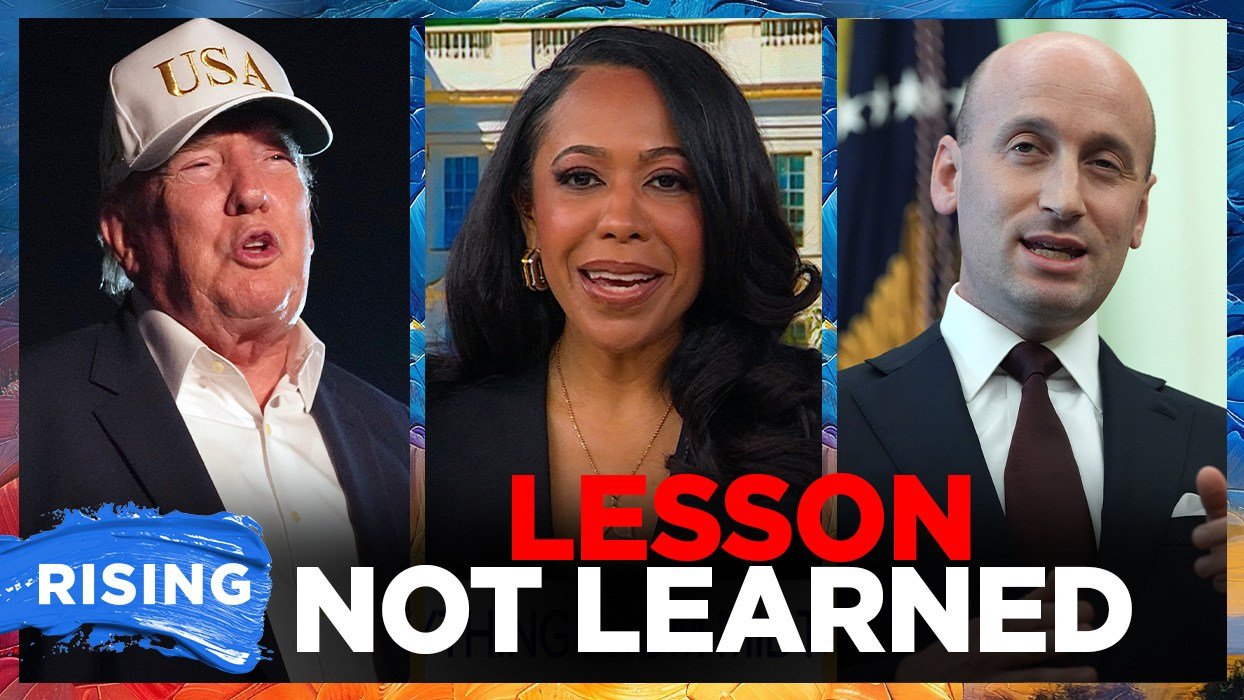
President Trump's response to the midterm election results has been anything but conciliatory. Rather than recalibrating after a sweeping defeat, he has chosen to elevate one of the most polarizing figures in his administration. On Friday, Trump announced that Stephen Miller, a key architect of his hard-line immigration agenda, will replace Susie Wiles as White House chief of staff.
Miller, who already served as a powerful deputy chief of staff, will now have an even broader platform to shape policy. His promotion is widely seen as a signal that the administration intends to double down on the very tactics that voters rejected at the ballot box. The midterm rebuke was not interpreted by the president as a call for moderation but as a mandate to intensify his approach.
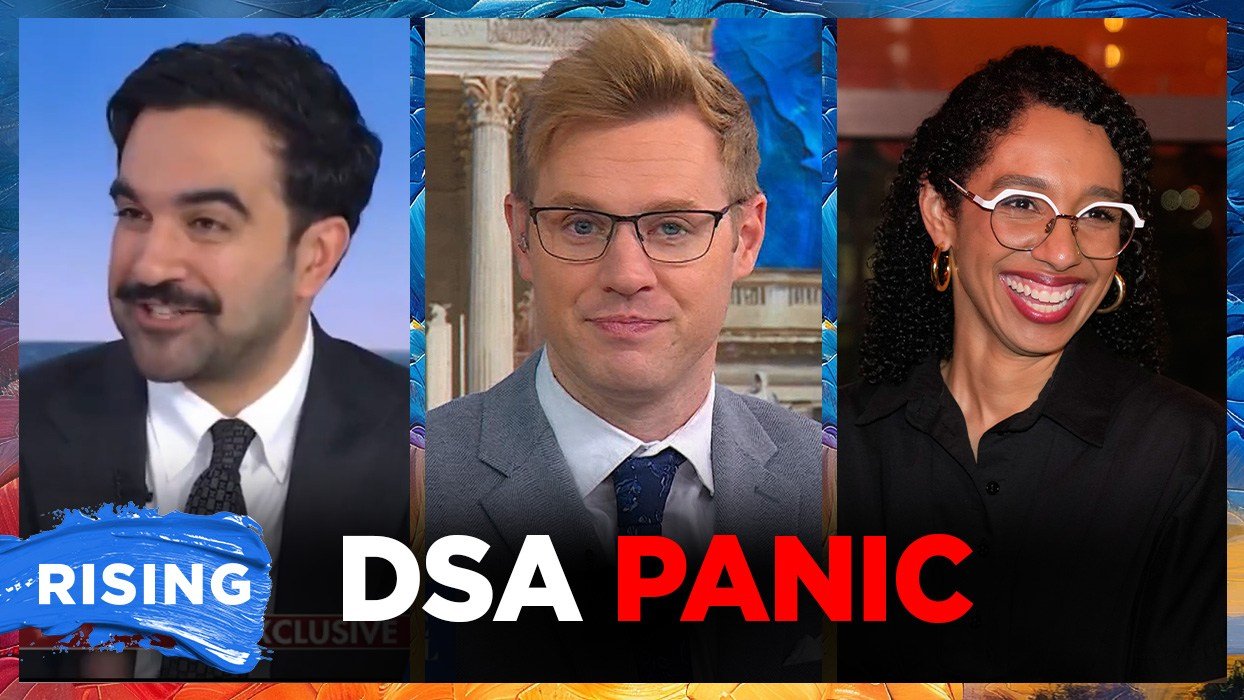
The reaction from Democrats was swift and pointed. Senator-elect Abdul El-Sayed, speaking on ABC's "This Week," did not mince words: "He decides to hire the most broken man to continue to run the most dysfunctional White House we've seen. I don't know what Stephen Miller has actually contributed to our culture, our society, in any real way, except to make us more angry and stoke the worst kind of fear and vitriol. To weaponize ICE in our streets to take American lives, the real question is, why appoint this man to White House chief of staff if you want to have a productive relationship with the Congress?"
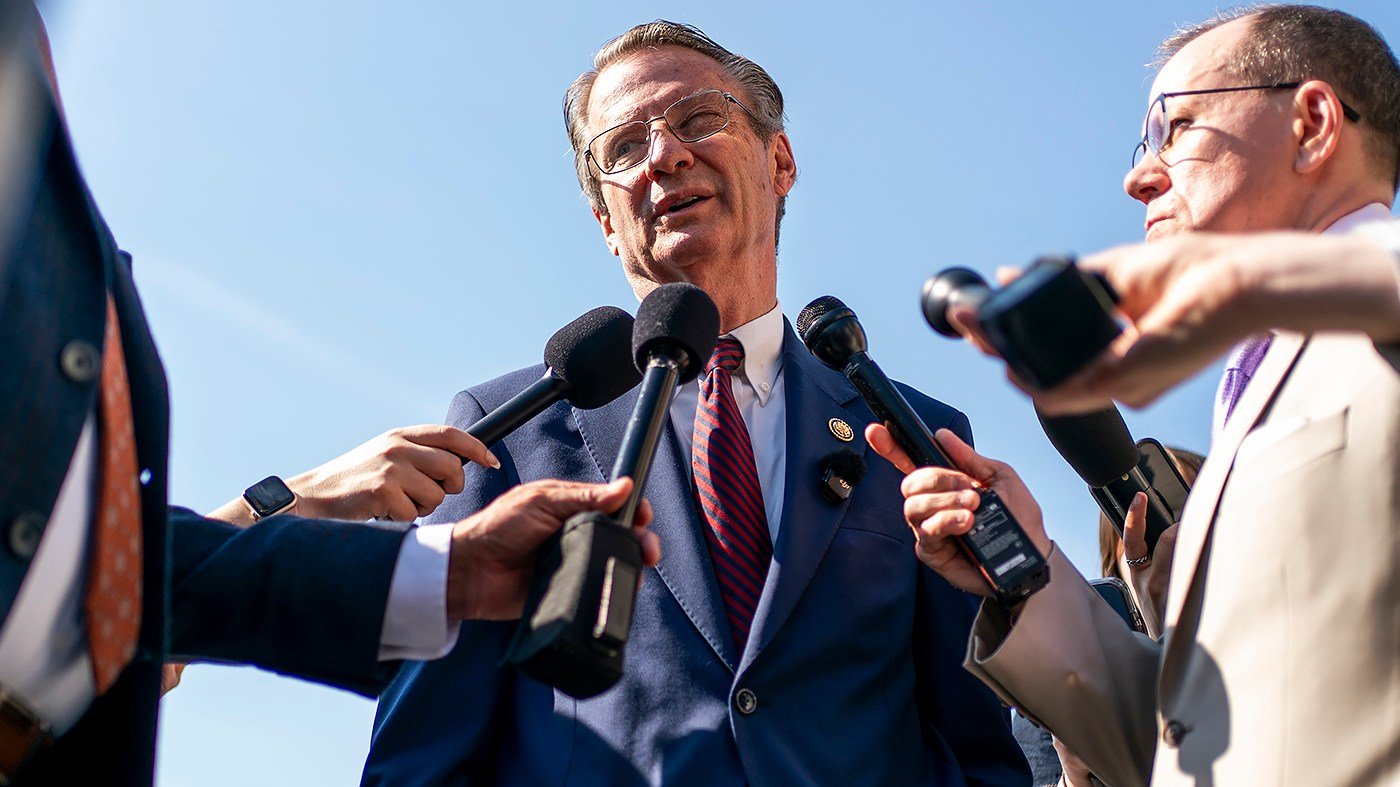
Criticism has not been confined to the opposition. Indiana Republican Congressman Marlin Stutzman called the promotion a "horrible decision," having previously argued that Miller should be fired over the administration's deportation tactics, which he deemed a political liability. This bipartisan backlash underscores the contentious nature of Miller's rise.
Miller's record is replete with controversial positions. He was a contributor to Project 2025, the Heritage Foundation's blueprint for reshaping the federal government, which includes proposals to expand presidential control over the Justice Department and challenge the independence of federal agencies. This aligns with the executive aggression that critics fear will intensify under his leadership.
Perhaps most troubling are the administration's military actions in the Caribbean and eastern Pacific. Miller was reportedly involved in the decision to bomb small boats, which the president declared a foreign invasion without providing evidence to Congress. An Associated Press investigation found that many of those killed were fishermen and laborers, not cartel leaders. At least 243 people have died in these strikes, which Republican Senator Rand Paul has condemned as "extrajudicial killings."
When questioned about racial disparities in immigration enforcement, Miller dismissed the concern, saying, "Oh, what a dumb question." He went on to claim that undocumented immigrants are taking jobs from Americans and straining public benefits. However, studies, including one from the National Academies, show that immigration has minimal long-term effects on native-born workers' wages, and undocumented immigrants are largely ineligible for federal benefits.
Trump's decision to promote Miller suggests that the lesson he drew from the midterms is not to listen or recalibrate but to turn up the volume. As the administration prepares for a new Congress, the choice of a chief of staff known for hard-line tactics and executive overreach raises serious questions about the future of governance and the rule of law.