The midterm elections delivered a clear rebuke to President Trump's agenda, with Democrats seizing control of both chambers of Congress. Trump's response has been characteristically erratic, acknowledging the Democratic victory while simultaneously threatening to wield his "tremendous powers" to block their initiatives.
History suggests that a president facing a hostile Congress becomes a lame duck, marginalized and ineffective. But that conventional wisdom may not apply to Trump. Rather than diminishing his influence, losing Congress could actually invigorate him, freeing him from the burdens of governance and allowing him to focus on what he does best: campaigning and confrontation.
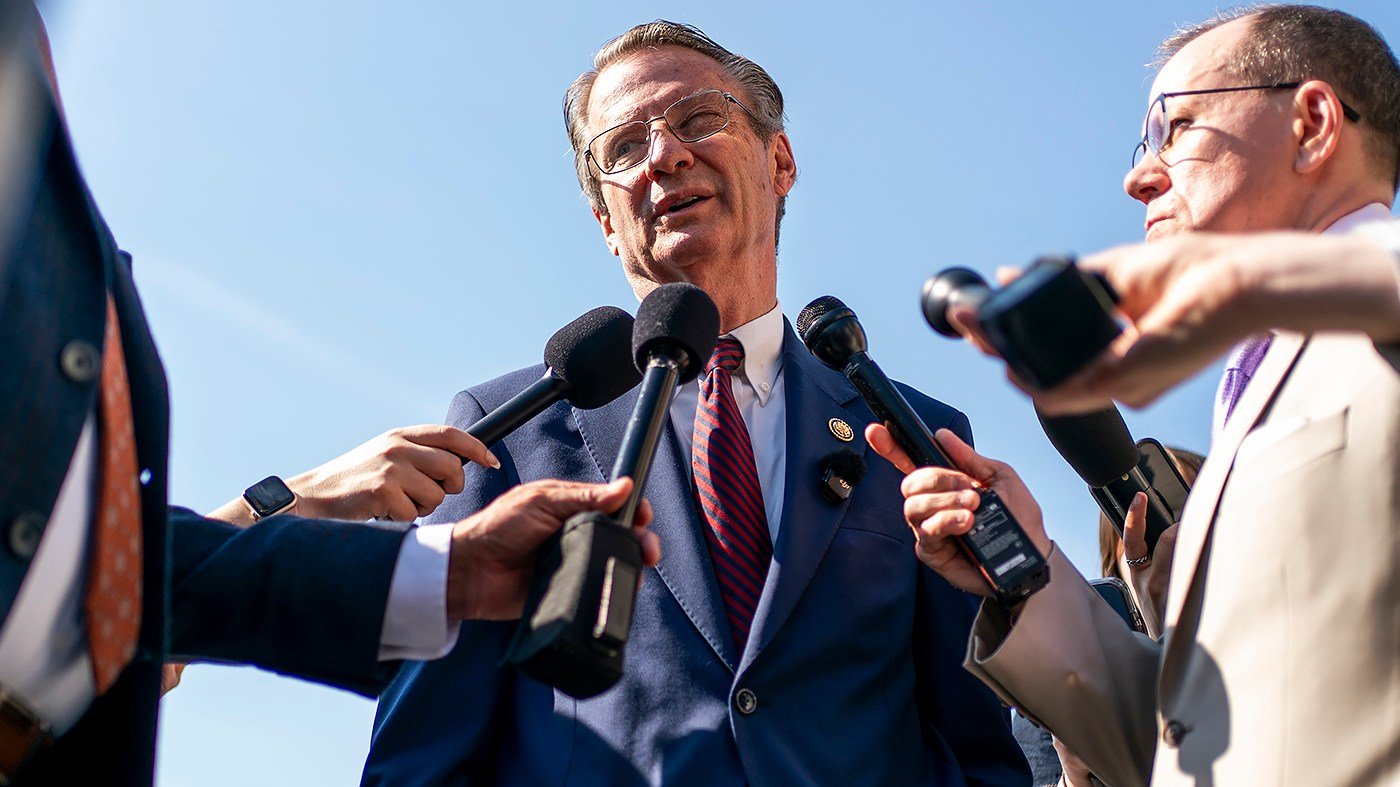
Trump has always preferred the campaign trail to the Oval Office, and this term, he's surrounded himself with loyalists who enable his impulses. With no future election to moderate his behavior, the constraints that once held him in check are eroding. The so-called "YOLO Caucus" in the Senate, composed of lawmakers unburdened by reelection concerns, has occasionally reined him in—like when Senator Thom Tillis blocked a Fed appointment until Trump dropped his vendetta against Jerome Powell—but such checks are becoming rare.
The president's history shows a willingness to push the boundaries of executive power, even with a friendly Congress. He launched a war against Iran without congressional approval, argued around the War Powers Resolution, and used a dubious "pocket rescission" tactic to cancel appropriated funds, which the Government Accountability Office deemed illegal. When he lost the House in 2018, he responded with the longest government shutdown in history, declared a national emergency to fund his border wall, and faced two impeachments.
Now, with a Democratic Congress, any hope of legislative achievement is gone. But that may not matter to Trump. The Democratic majority will provide a foil, and Trump will likely escalate his use of executive orders, echoing Obama's "pen and phone" strategy. He'll frame his actions as necessary responses to a gridlocked Congress, a justification that has presidential precedent.
Democrats will have subpoena power and oversight tools, but as the border wall emergency demonstrated, these may have limited effect. Impeachment is possible, but without the 67 votes needed for conviction, it will only serve as a rallying cry for Trump's base. Grievance will become his primary tool for maintaining relevance and control over his supporters.
In the coming months, expect Trump to become more unbridled, more willing to defy norms and institutions. He'll be in his element, campaigning against everything Democrats do, breaking whatever remains of political decorum. The next two years will reveal what happens when a president with no legislative path and no electoral future decides to operate without restraint.
As Trump's influence over the GOP is tested, and with Senate Republicans eyeing a post-Trump future, the president's aggressive tactics may alienate even his allies. Yet, for now, he remains the center of political gravity, a wrecking ball aimed at Washington's remaining norms.