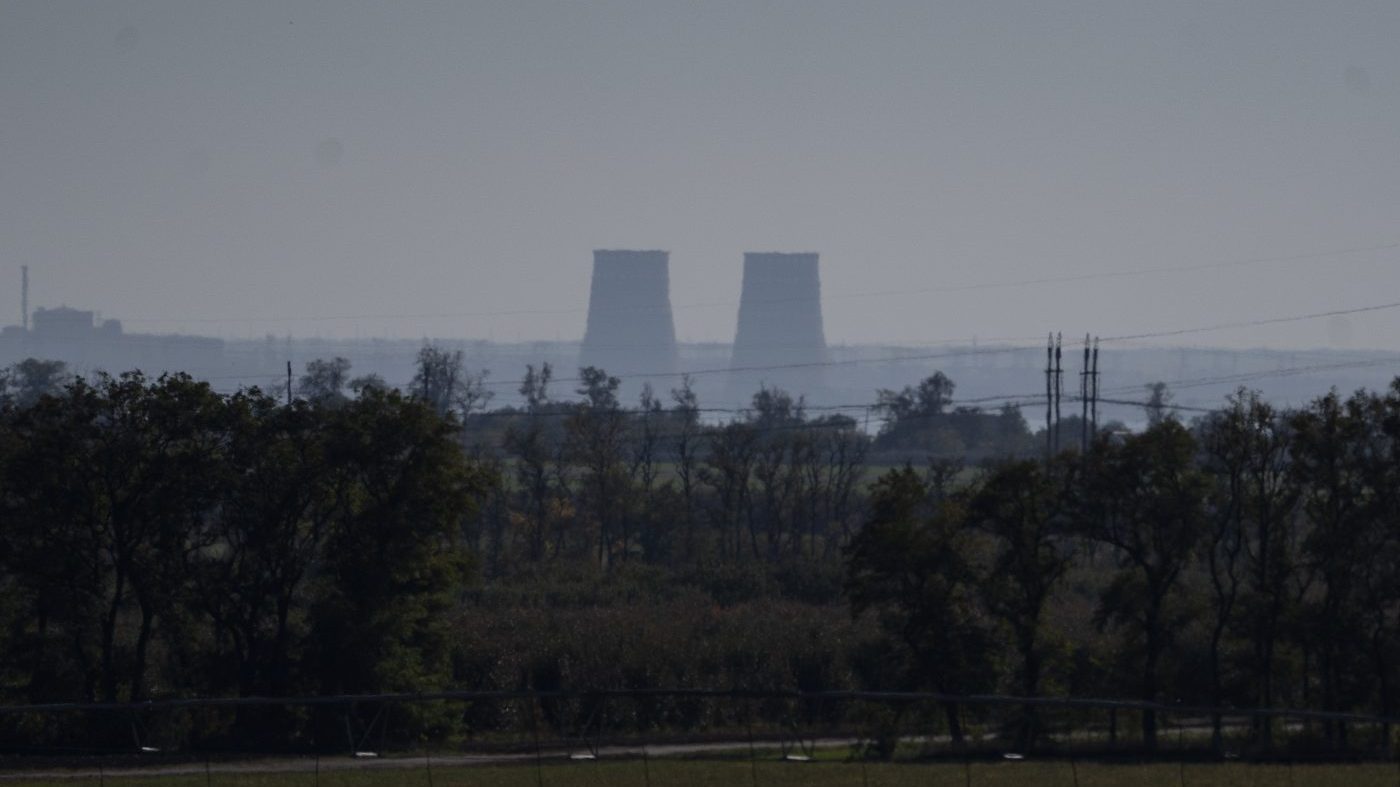
The Zaporizhzhia Nuclear Power Plant in Ukraine has been cut off from its final external power line, forcing it to rely on emergency diesel generators to keep reactors cool and maintain essential safety functions. The International Atomic Energy Agency (IAEA) confirmed the development on Sunday, marking the 27th such incident since the start of the conflict.
In a statement posted on social media, the IAEA said the plant's last remaining power line, Ferosplavna-1, stopped operating early Sunday. The cause and location of the disconnection remain unknown, adding to concerns about the fragile state of nuclear safety in the region.
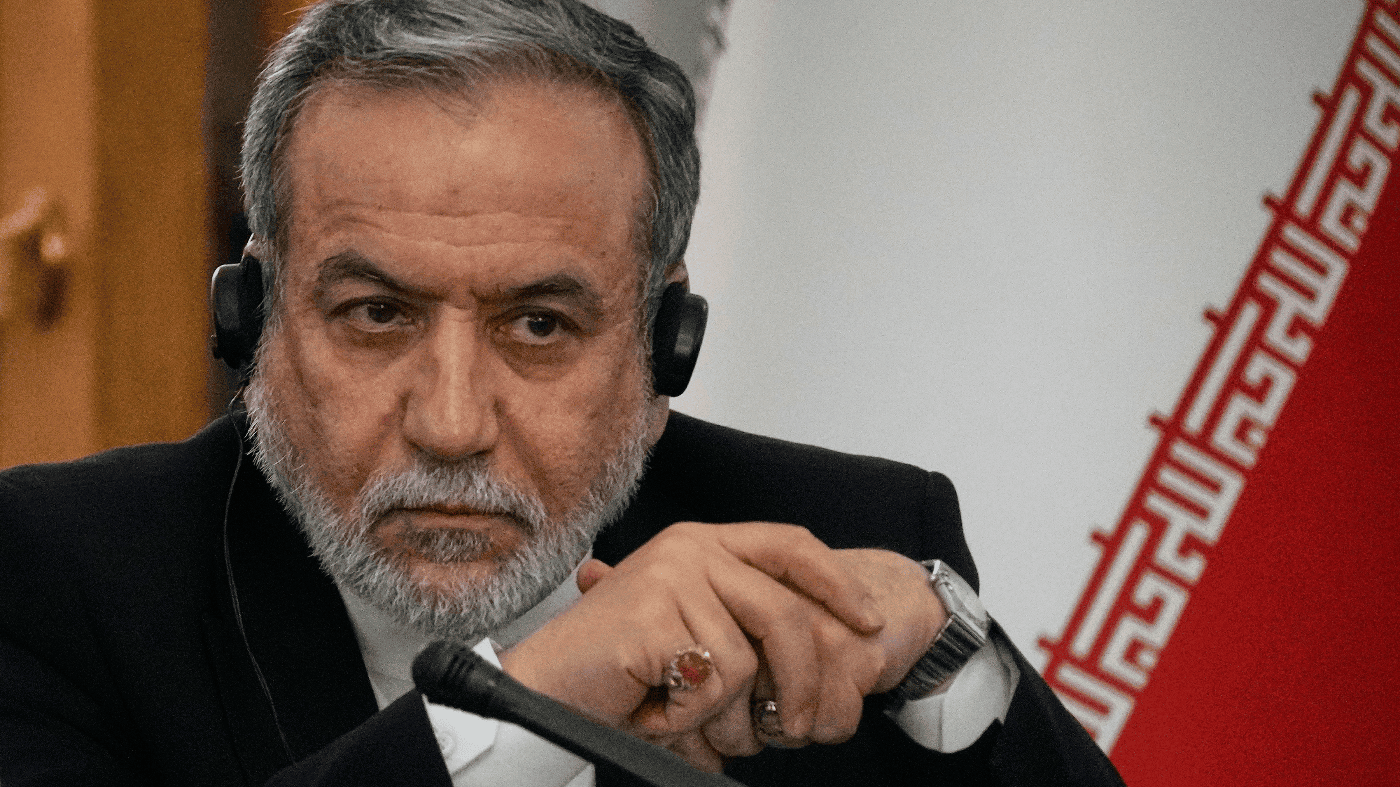
IAEA Director General Rafael Mariano Grossi described the situation as "precarious," noting that the repeated loss of external power underscores the ongoing risks to the plant. He urged authorities to increase the on-site diesel fuel reserves, which are currently sufficient for about two weeks of emergency generator operation, and stressed the urgent need to reconnect the plant to the grid.
The latest incident comes amid a wave of Russian strikes that Ukrainian President Volodymyr Zelensky said killed at least 55 people in a town in the Zaporizhzhia region, where the plant is located. He also reported that attacks on vital energy infrastructure had left 600,000 people in the city of Dnipro without power.
Zelensky has repeatedly warned that Russia is targeting Ukraine's energy and logistics networks. In his latest address, he said that over the past week alone, Russia launched 115 missiles, nearly 1,900 guided aerial bombs, and more than 3,000 attack drones against Ukrainian cities and communities.
He called on European and G7 nations to intensify or impose new sanctions on Russia, arguing that "the missiles must be stopped on the production lines." His appeal comes as diplomatic efforts to end the war continue, with U.S. special envoy Steve Witkoff announcing earlier this month that the United States would mediate talks between Ukraine and Russia.
The trilateral negotiations are scheduled for November 10-11 in Abu Dhabi, United Arab Emirates. Witkoff said discussions will focus on post-war security arrangements, de-escalation, humanitarian efforts, and next steps toward peace.
President Trump has expressed a desire to end the Russia-Ukraine war, which is approaching its fifth year since Russia's full-scale invasion. The nuclear safety situation at Zaporizhzhia remains a central concern for international observers, with the IAEA calling for immediate action to stabilize the plant's power supply.
As the conflict grinds on, the repeated loss of external power at Europe's largest nuclear plant highlights the broader dangers of the war, not only for Ukraine but for regional security. The IAEA's continued monitoring and calls for restraint are likely to remain a focal point in the coming weeks.