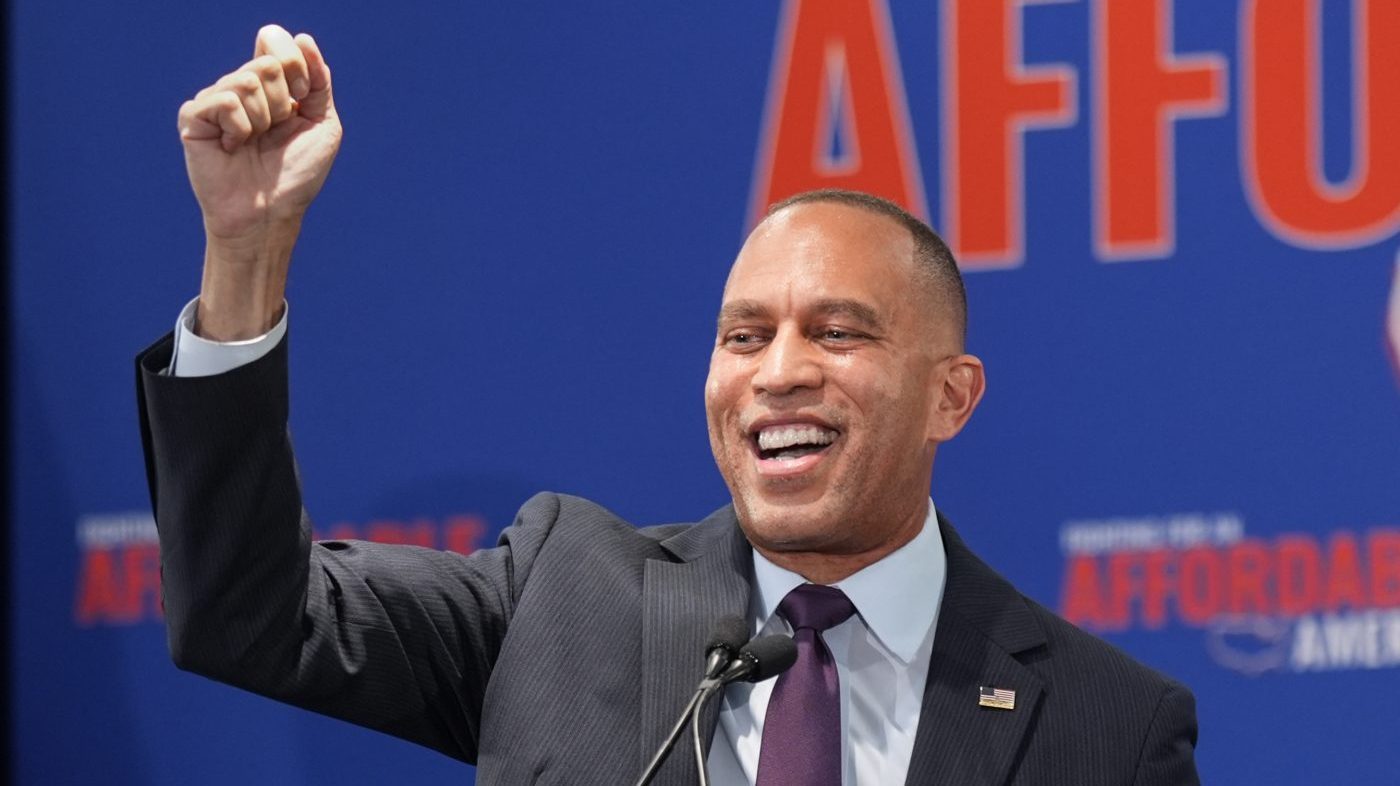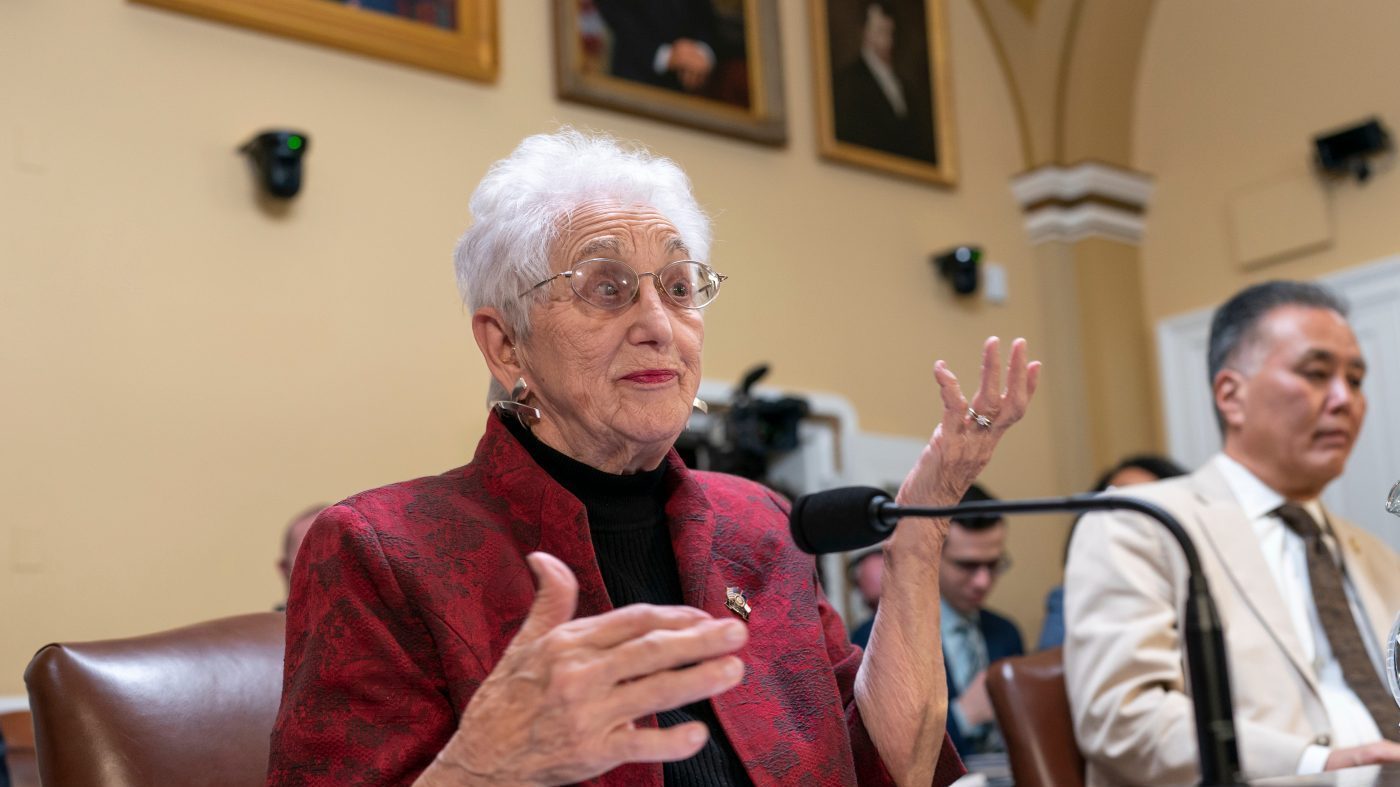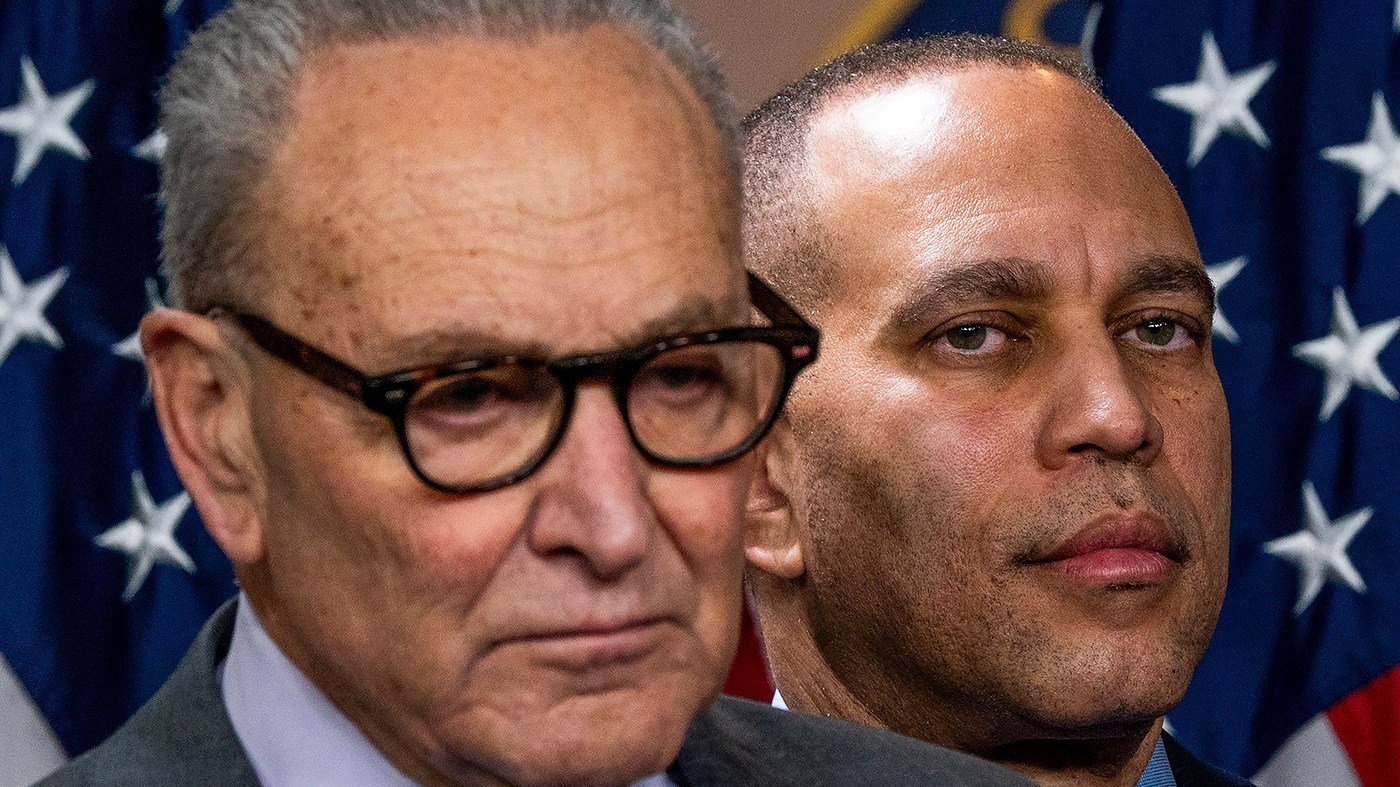
Emboldened by their midterm sweep, Democrats are preparing to use their new congressional majorities to force an end to President Trump's eight-month military campaign against Iran. Senate Democrats say they have at least some Republican backing for the effort and are threatening to cut off Pentagon funding for the conflict.
At a Wednesday press conference, Minority Leader Chuck Schumer (D-N.Y.) said, "We are going to end the war. We have some Republicans already who have joined us in ending the war, and the Founding Fathers had the power of the purse as one of the ways of deterring a president who does war without the consent of the American people."
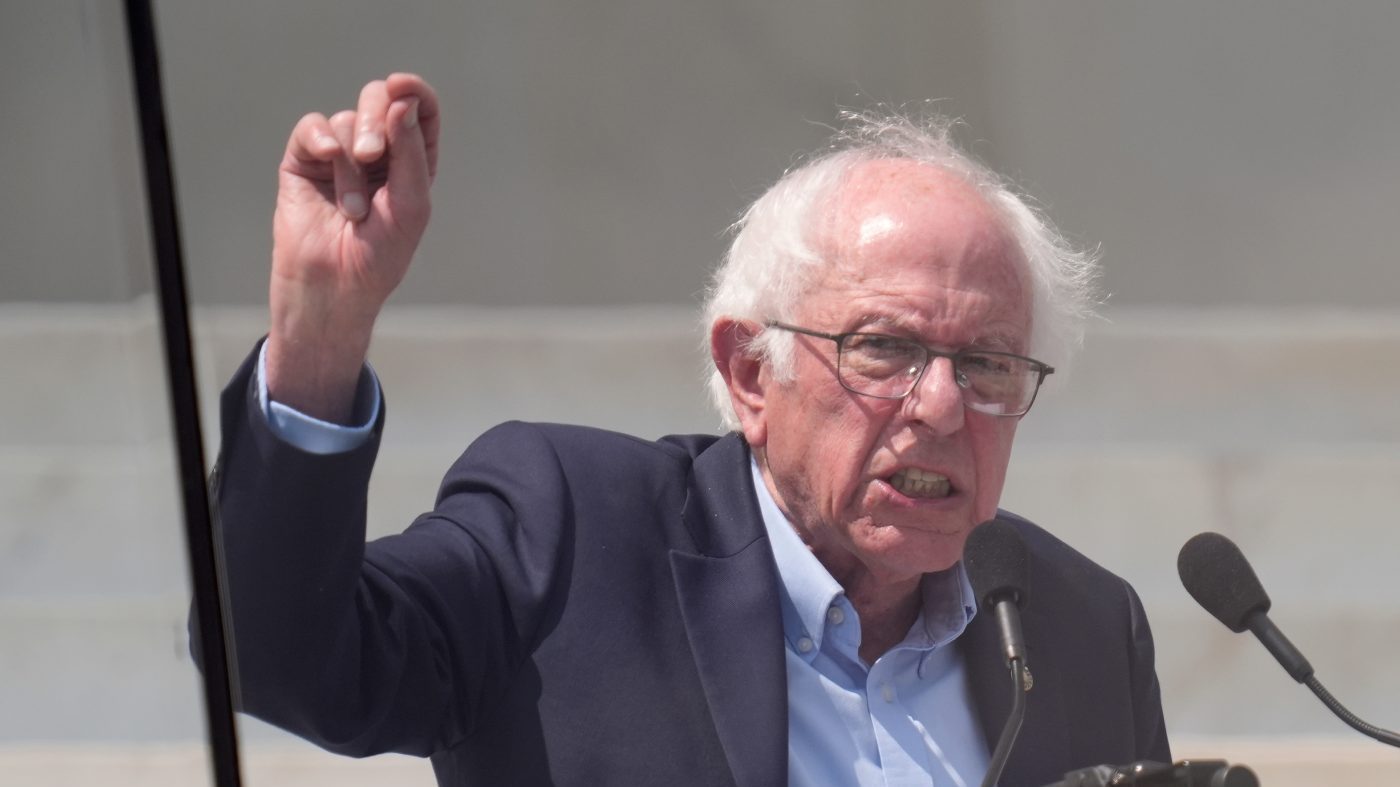
Four Republican senators—Thom Tillis (N.C.), Susan Collins (Maine), Lisa Murkowski (Alaska), and Rand Paul (Ky.)—had previously supported a Democratic resolution calling for troop withdrawal absent congressional authorization. That measure would direct the commander-in-chief to remove U.S. forces from hostilities in Iran unless Congress approves a formal use-of-force resolution.
The push comes as Congress faces a December 11 deadline to fund the government or shut down, just weeks before Democrats take control of both chambers. Republicans may attempt a final reconciliation package that could include emergency war funding, but Democrats are vowing to block any such measure. Congress is set to challenge Trump's foreign policy in the new session, and the Iran war is at the top of the list.
Rep. Ro Khanna (D-Calif.), a member of the House Armed Services Committee, called on Democrats to demand that any continuing resolution prohibit financing for combat activities in Iran. "Support a continuing resolution prohibiting the financing of any combat activities of the U.S. military in Iran. End the Iran war like we did for Vietnam," he said Wednesday. Rep. Mark Pocan (D-Wis.), a senior appropriator, wrote Friday that "we can't wait until the next Congress to end the war with Iran – it must end NOW!"
Rep. Gregory Meeks (D-N.Y.), the top Democrat on the House Foreign Affairs Committee, announced he will introduce a joint resolution to end the war on the first day of the new Congress. "And Democrats will use hearings, legislation, oversight and the power of the purse to push the administration toward a durable, diplomatic solution," Meeks said. "We will keep fighting to end Trump's failed war of choice, as we focus on addressing the needs of the American people."
House Minority Leader Hakeem Jeffries (D-N.Y.), set to become Speaker in January, has listed stopping the "reckless war of choice" in Iran as a caucus priority. The White House requested $87.6 billion in supplemental funding in June, including $67 billion for the Pentagon, but that package has stalled amid growing Democratic opposition.
The typically bipartisan National Defense Authorization Act (NDAA) is also in jeopardy this year, with Democrats demanding hundreds of billions in cuts and guardrails on the Iran conflict. Sen. Mark Kelly (D-Ariz.) suggested at a Crooked Media event on Saturday that Democrats should halt funding for White House operations to pressure Trump to end the war. "We control that. So if he can't find a way out of this, we can put pressure on him," Kelly said. Sen. Michael Bennet (D-Colo.) later endorsed that approach.
Rep. Nikki Budzinski (D-Ill.), expected to chair the New Democrat Coalition, said the key leverage is the appropriations process. "I do think that it's through the Defense budget and the appropriations process. It is the power of the purse," she said. "There's going to be no appetite for that [funding]. And so I think that that is going to be, probably, the most important tool that we're going to have in our toolbox to hold them accountable." She also pressed for clarity on the administration's definition of success, which she said remains undefined.
Some House Republicans share concerns about the lack of strategy. Rep. James Comer (R-Ky.), chair of the Oversight Committee, declined to say whether Defense Secretary Pete Hegseth should remain in his post, reflecting broader unease. The war has cost at least $47 billion, driven energy prices higher, and left U.S. military stockpiles depleted and bases in the Middle East damaged. Both parties' candidates criticized the conflict during the midterm campaigns, and Trump's promise to avoid foreign wars has been undercut.
As Democrats prepare to take the reins, the power of the purse is poised to become a defining tool in their effort to end the Iran conflict. Trump's cabinet may see changes as Democrats seize control, but the immediate focus is on halting a war that has become a political liability.