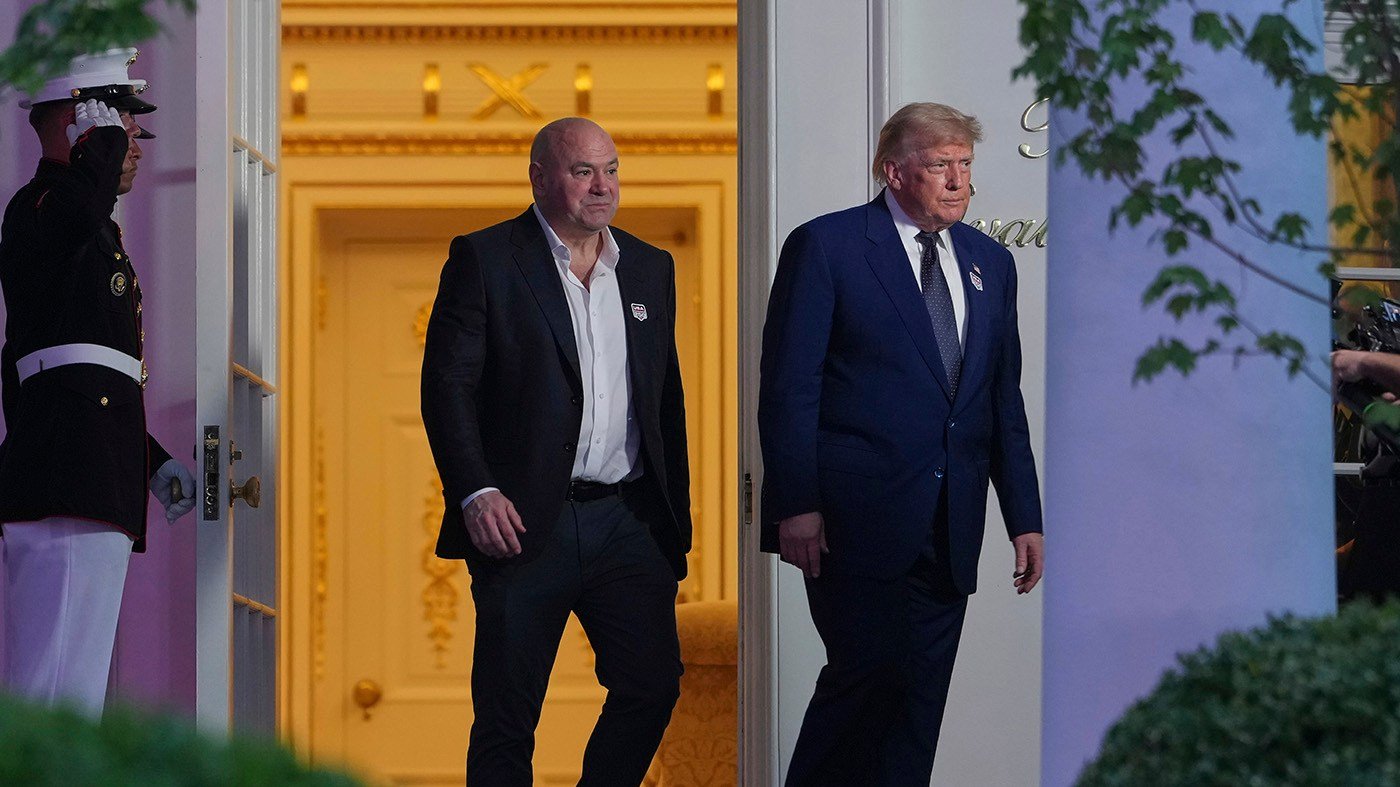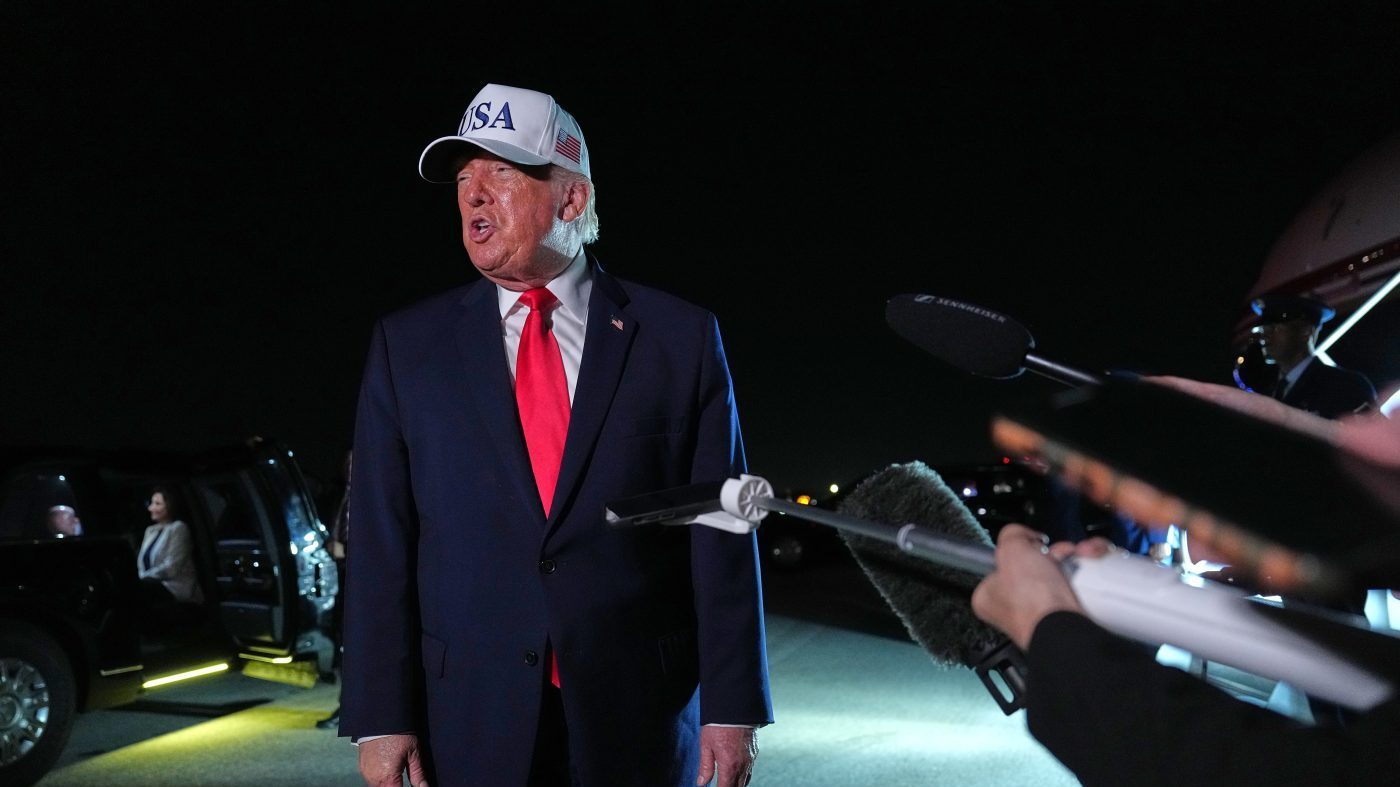
President Trump will sit down with CBS News's 60 Minutes on Sunday night, marking his first public interview since Republicans lost control of both the House and Senate in Tuesday's midterm elections. The appearance comes as the president faces sharp criticism from within his own party over the scope of the Democratic sweep.
In the immediate aftermath of Election Day, Trump blamed poor candidate quality for the GOP's losses, but many analysts and Republican strategists point to his own sagging approval ratings as the primary driver. His administration's handling of the war in Iran, a hardline immigration agenda, and sweeping tariffs on key trading partners have all contributed to voter discontent, according to polling data and interviews with party insiders.

The interview also carries added weight given the president's strained relationship with 60 Minutes. The program has seen several high-profile departures since CBS's parent company, Paramount Skydance, was acquired last year by billionaire father-son duo Larry and David Ellison, who are known allies of Trump. The media conglomerate recently completed a massive $110.9 billion acquisition of Warner Bros. Discovery, further reshaping the landscape.
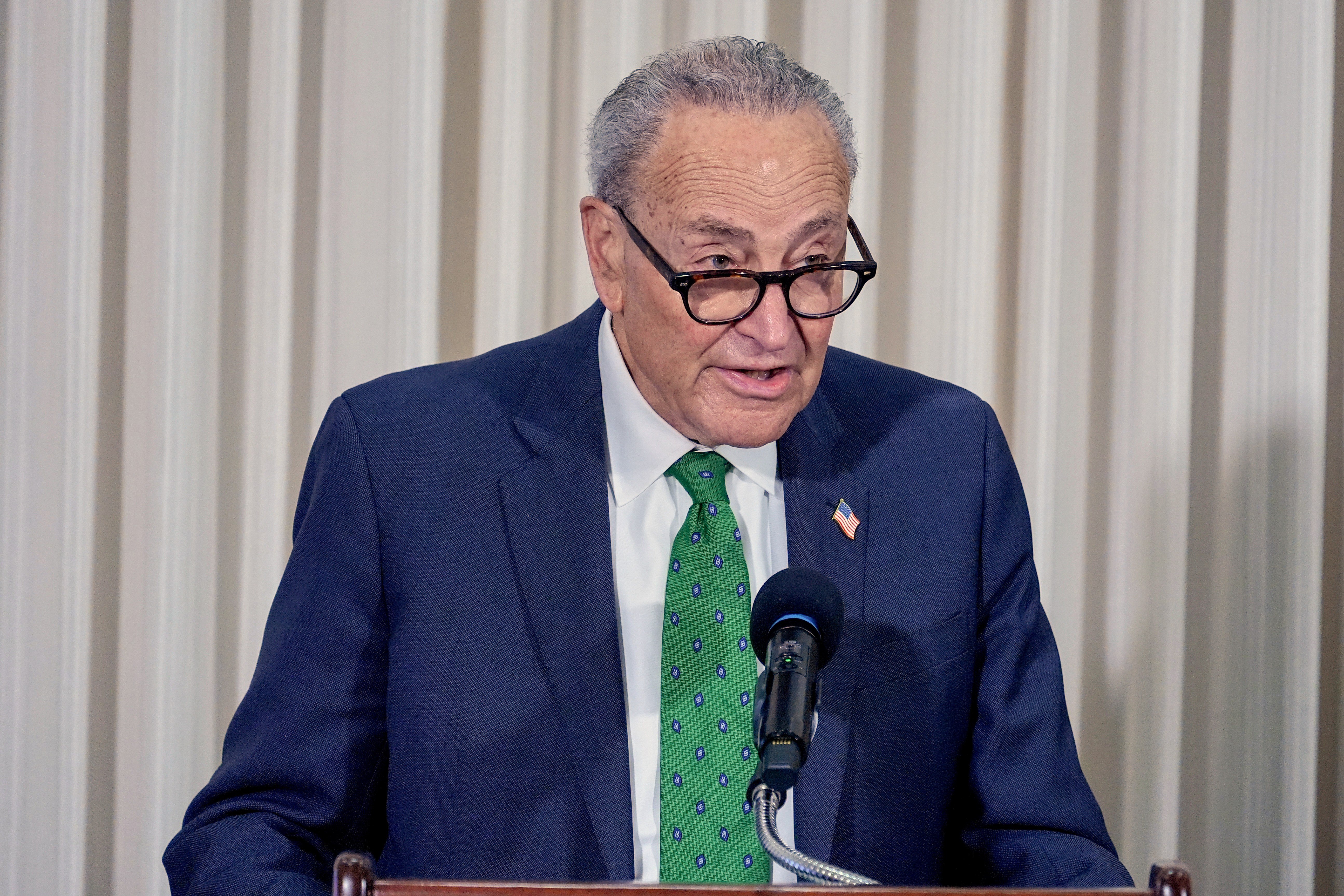
Meanwhile, lawmakers are streaming back to Capitol Hill this week, with Democrats preparing to take the reins in January. The lame-duck session is expected to be contentious, as Republicans scramble to lock in remaining priorities and Democrats begin organizing their new majorities. Leadership races are already underway in both parties, with several key positions up for grabs.
Trump has hinted at a possible cabinet shake-up as he adjusts to the new political reality. According to our sources, the president is weighing changes to his national security and economic teams. Some of that speculation has centered on the role of Stephen Miller, who has taken over as chief of staff, a move that signals a continued hardline approach on immigration and trade. Miller's appointment has been met with both praise from immigration hawks and alarm from moderates.
On the foreign policy front, Democrats are vowing to challenge Trump's approach, particularly regarding the ongoing conflict in Iran. Lawmakers are expected to push for a reauthorization of military force, and some have called for a return to the original war goals. Trump, for his part, has urged the Department of Justice to investigate Democratic threats of impeachment, a move that critics say is an abuse of executive power.
The president's interview on 60 Minutes is likely to touch on these and other contentious issues, offering a preview of how he intends to navigate a divided government. With Democrats now controlling both chambers, the lame-duck session is also a critical window for Republicans to advance judicial nominations and other priorities before the power shift takes effect. As one analysis notes, the Democrats' new Senate majority effectively ends Trump's ability to confirm judges without bipartisan support.
In the coming weeks, expect intense maneuvering over spending bills, defense policy, and oversight investigations. The political landscape has shifted decisively, and both parties are bracing for a new era of confrontation.